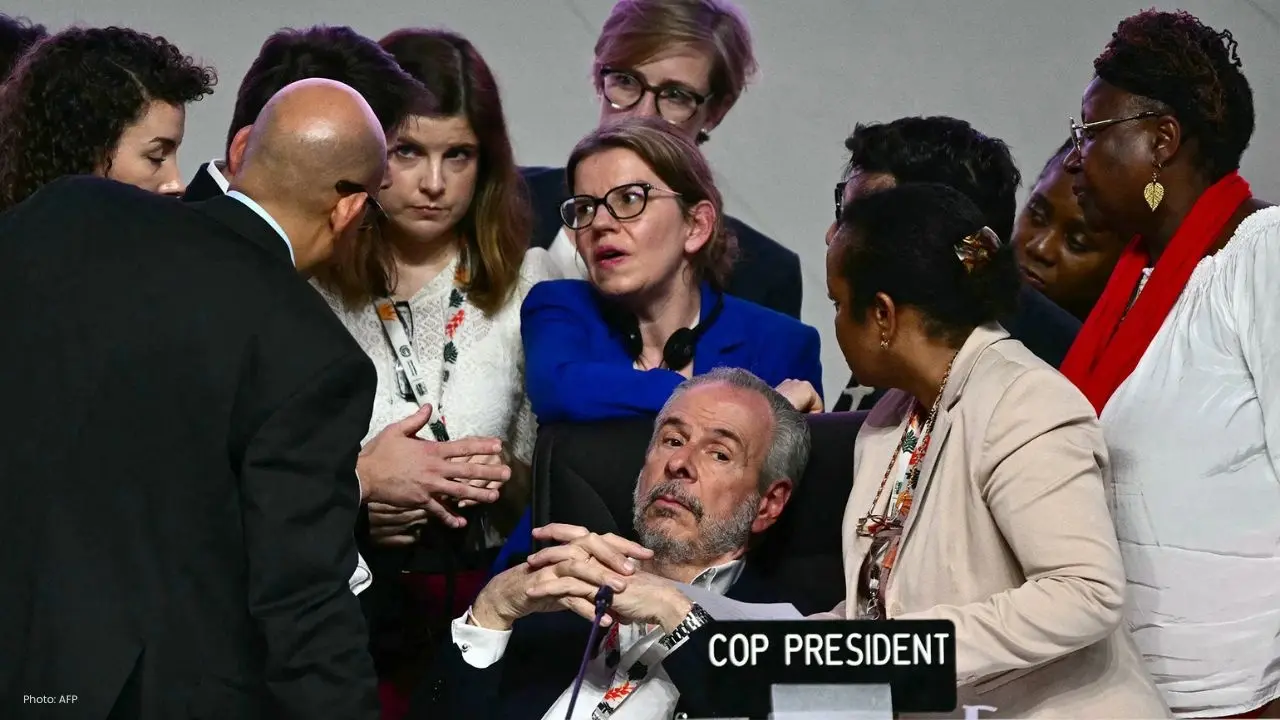
In the sweltering heat of Belém, Brazil, COP30 closed its doors after two weeks of intense negotiations that tested the world's commitment to fighting climate change. The summit’s defining battle revolved around a renewed push to move away from fossil fuels, a commitment first included in COP28’s landmark agreement in Dubai.
European Union nations, the UK, and a coalition of other countries drew a red line, signaling they would walk away from any deal that failed to recognize the transition from oil, gas, and coal. The pressure was magnified by Brazil’s President Luiz Inácio Lula da Silva, who urged nations to adopt “road maps” for reducing fossil fuel dependence and reversing deforestation.
However, significant opposition emerged from key oil-producing nations, including Saudi Arabia and Russia. Diplomats inside the main venue struggled to reconcile the ambitions of progressive nations with the interests of fossil-fuel-dependent economies. Adding to the chaos, a fire broke out at the venue, forcing an evacuation and pushing negotiations into hotels across the city.
Despite the tensions, a compromise was reached at the summit’s close. The final agreement included language acknowledging past commitments on fossil fuels and initiatives to explore road maps for energy transition, though it lacked formal legal backing under the Paris Agreement framework. Additionally, countries agreed to triple climate adaptation finance by 2035, reflecting a continued focus on supporting vulnerable nations.
Outside the negotiation halls, activists, Indigenous groups, and environmental advocates staged large protests, demanding concrete climate action. Their message was clear: while diplomatic negotiations are crucial, urgent and tangible solutions are needed to address the climate crisis.
The summit’s outcome highlights the persistent tension in global climate diplomacy: balancing ambition with feasibility, and the need for multilateral cooperation in a fractured geopolitical landscape. While the world edges closer to its climate targets, the road ahead remains complex, requiring sustained effort and collective political will.