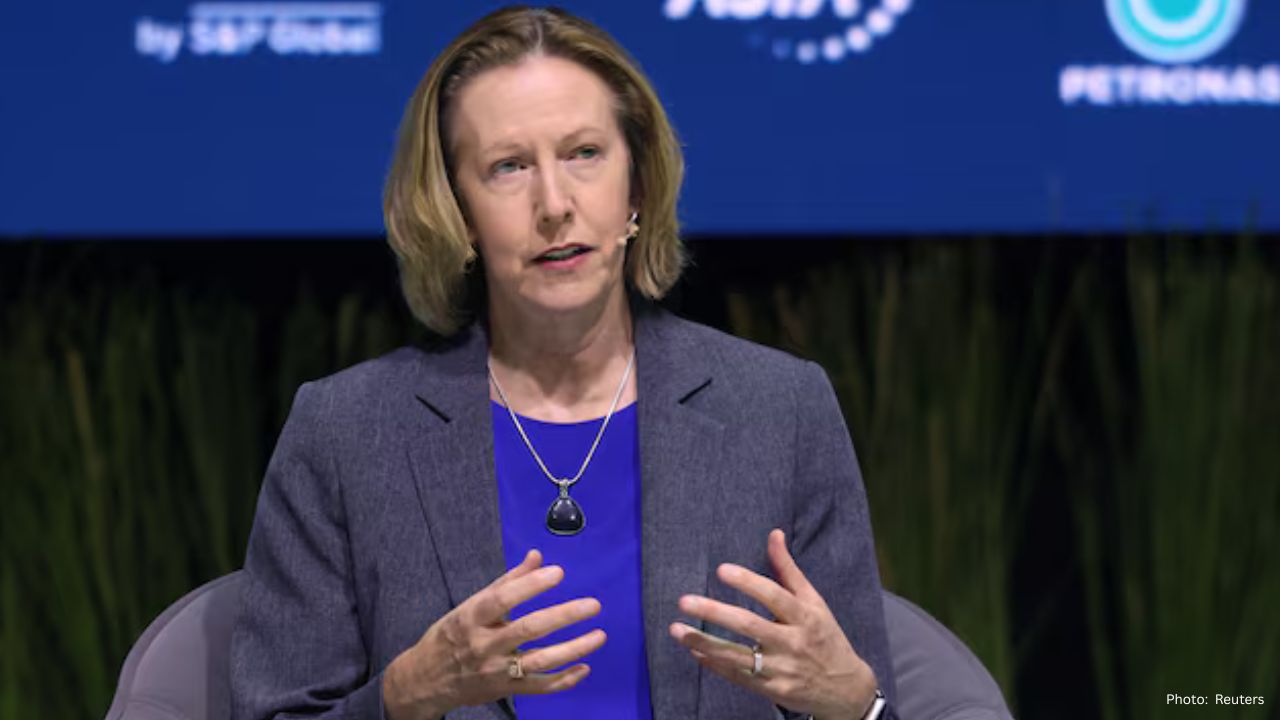
In a groundbreaking move, BP has appointed Meg O’Neill as its new chief executive officer, ushering in a significant change for the energy giant. Her selection follows the unexpected departure of Murray Auchincloss, highlighting a shift in both strategy and leadership. O’Neill, set to take the reins in April, is the first CEO from outside BP’s ranks in over a century and also the first woman to lead any of the top five oil corporations globally.
Currently serving as the chief executive of Australia’s Woodside Energy, a significant player in oil and gas, O’Neill's appointment underscores BP’s renewed commitment to its core business and aims for enhanced financial performance. While BP had previously laid ambitious plans for renewable energy, recent profit challenges and investor anxiety have caused a reevaluation of those goals.
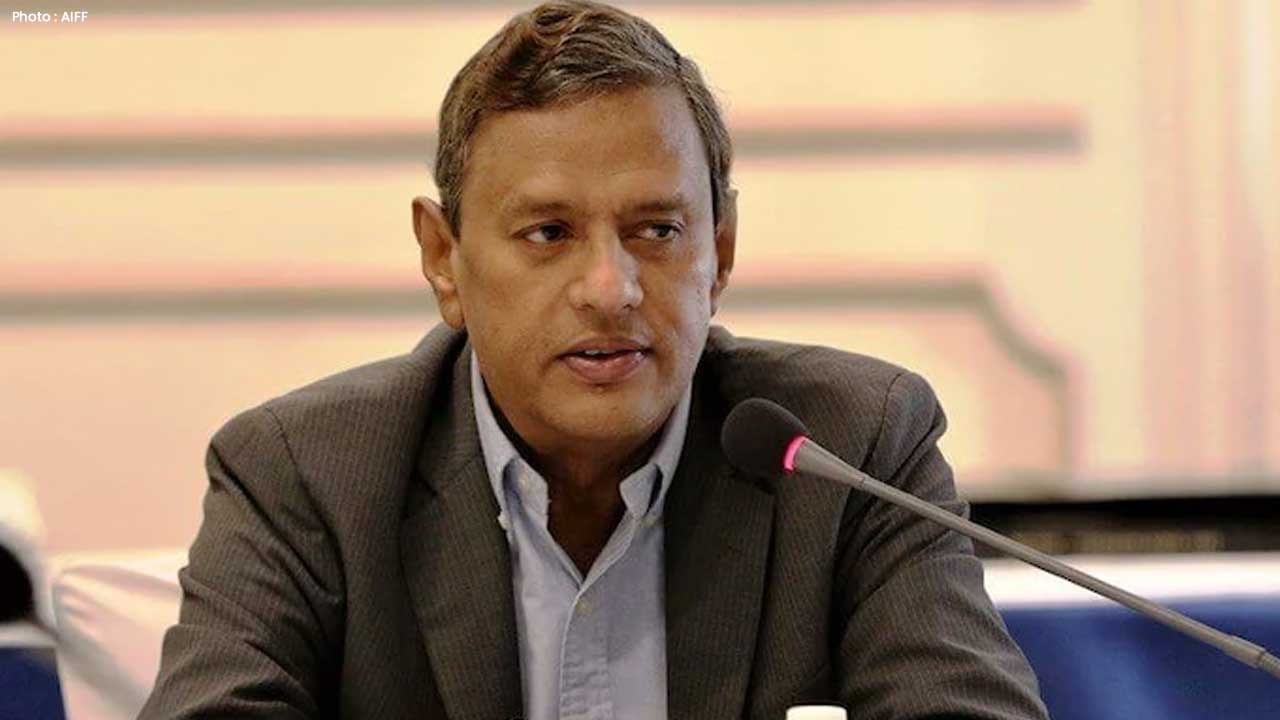
Under Auchincloss, BP had already begun recalibrating its focus by reducing expenditures on certain green initiatives and prioritizing returns. However, experts contend the board sought more rapid and assertive action. By opting for O’Neill, BP signals a readiness to implement changes unencumbered by past commitments.
The announcement’s timing took many by surprise, yet the reception has mostly been favorable. Analysts suggest investors may interpret this leadership change as an indication of BP's seriousness in boosting its operational performance. This decision also reflects the decisive leadership style of the newly appointed chairman, Albert Manifold.
With a wealth of experience from overseeing major energy projects and stringent cost control at Woodside Energy, supporters feel O’Neill's background will be invaluable as BP navigates an unpredictable global energy landscape.
Industry analysts stress that external leaders can catalyze significant transformation. With no prior allegiances to outdated strategies, such leaders often implement necessary changes more efficiently. In past scenarios, companies have witnessed improved outcomes following the appointment of new, external CEOs.
Nevertheless, BP faces numerous hurdles, such as reconciling profit aspirations with environmental accountability, managing escalating costs, and maintaining competitiveness in a rapidly evolving energy market. O’Neill's management of these challenges will be pivotal in shaping BP’s trajectory.
In essence, BP’s choice of Meg O’Neill sends a powerful signal: the company aims for enhanced focus, expedited decision-making, and stronger returns as it embarks on a new path under innovative leadership.