New details have emerged regarding the activities of the two men accused of the tragic attack at Bondi Beach in Australia. A hotel employee in the Philippines noted that the suspects spent most of their time in their room, shunning interactions and displaying little interest in their environment during their time in Davao City last month.
The accused, Sajid Akram, 50, and Naveed Akram, 24, are responsible for the deaths of 15 individuals during a Hanukkah celebration at Bondi Beach on December 14. The assault shocked the nation and ignited serious discussions about antisemitism and extremist violence.
Police fatally shot Sajid Akram on site, while his son Naveed was placed in a coma and subsequently charged with multiple offenses, including murder and terrorism. Australian officials believe the incident was motivated by the extremist group Islamic State.
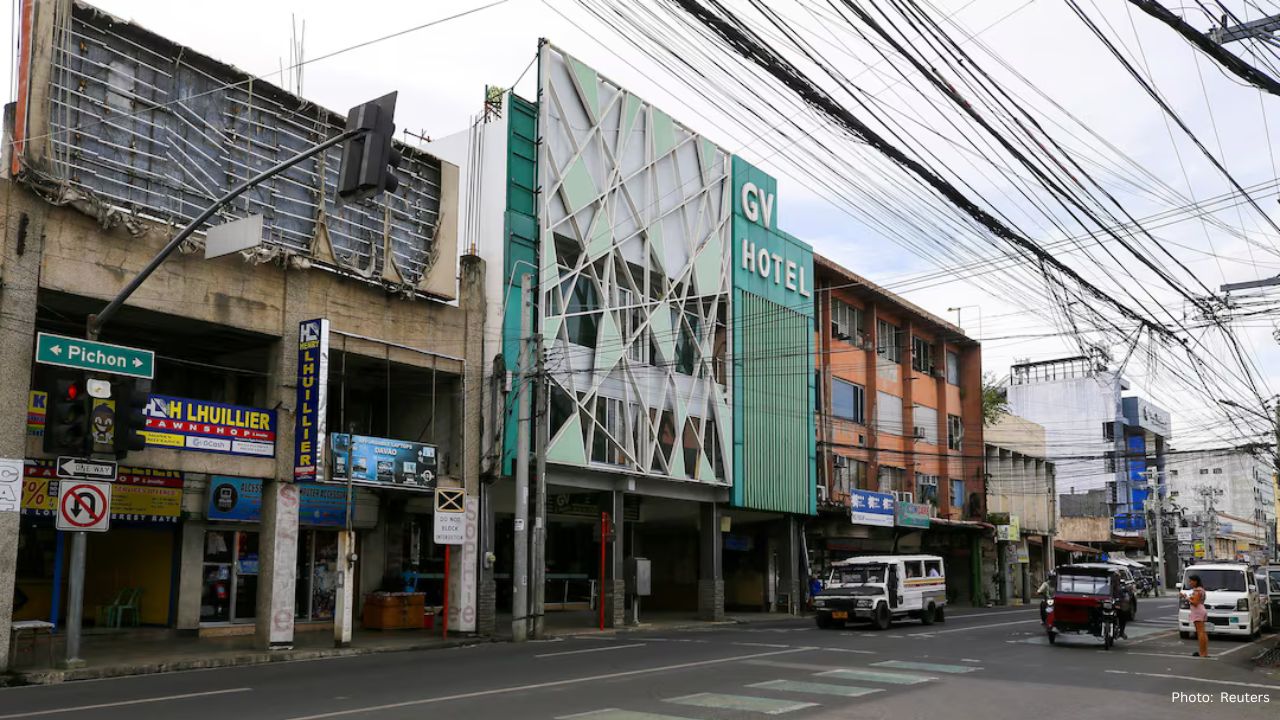
Prior to the shooting, the father-son duo journeyed to the southern Philippines. Their stay at the GV Hotel, situated in Davao City’s bustling downtown, is now under scrutiny. An anonymous hotel staff member recounted that the two kept primarily to themselves.
The staff noted that they seldom ventured out. When they did, their outings typically lasted just over an hour, with the departures happening around 9 a.m. Unlike other international guests who often interact with hotel personnel, the suspects appeared disengaged.
“They hardly conversed,” remarked the worker. “Most visitors are sociable, but these two were different.”
Management confirmed their reservation was made through a third-party service. Although they initially planned to visit in mid-November, they arrived earlier, on November 1, booking for a week before subsequently extending their stay several times. All payments were made in cash.
The worker mentioned only two brief encounters with Naveed Akram, during which he requested bottled water and inquired about where to find durian—a popular local fruit. Beyond these instances, there was negligible interaction with the staff.
Interestingly, the worker noted that Sajid Akram did not have any memorable interactions with the staff.
No visitors were reported throughout their stay, with the suspects ensuring no one entered their room. When they left, Sajid carried a backpack while Naveed had a shoulder bag, leaving hotel staff curious about their contents.
Philippine authorities are investigating their activities during their Davao stay, but early assessments reveal no indications of the suspects undergoing extremist training in the region.
Philippine National Security Adviser Eduardo Año stated that the suspects’ limited time outside the hotel made it improbable for them to engage with militant factions or partake in training.
Año highlighted that the security climate in the southern Philippines has significantly improved since the 2017 Marawi siege, with only a few small militant groups still functioning in the area.
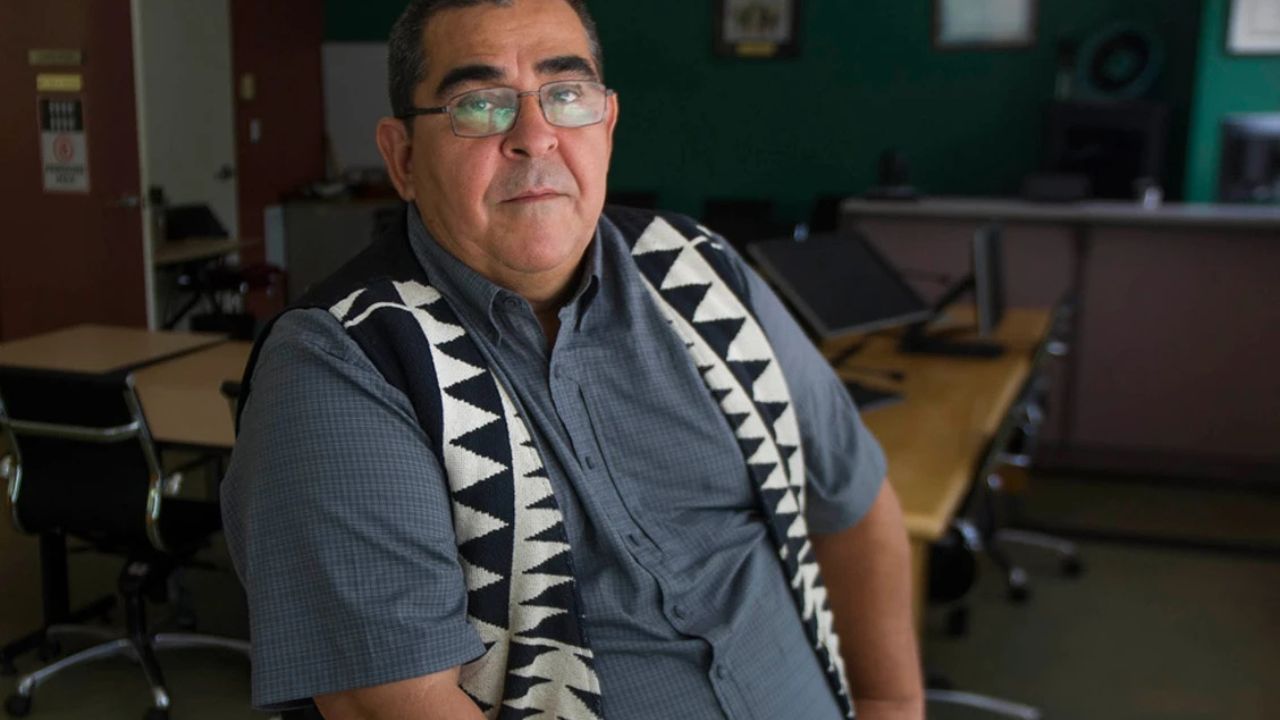
Local Muslim leaders have distanced themselves from the suspects. Abubacar Camid, a mosque leader, confirmed they reviewed security footage as soon as they learned about the case.
“We couldn’t find any trace of them here,” said Camid. “Our community keeps a vigilant eye for newcomers.”
Davao residents expressed worries that the suspects' presence could tarnish the city’s image, particularly as many in Mindanao have labored to convey a peaceful reputation.
“I feel let down,” expressed John Edward Mier, a recent graduate. “Mindanao has been striving to progress and leave its troubled past behind.”
The subdued demeanor of the suspects highlights the challenges faced in preemptively identifying threats before violence erupts. Authorities in Australia and the Philippines continue to collaborate in their investigation to gain a clearer understanding of the Bondi Beach attack.