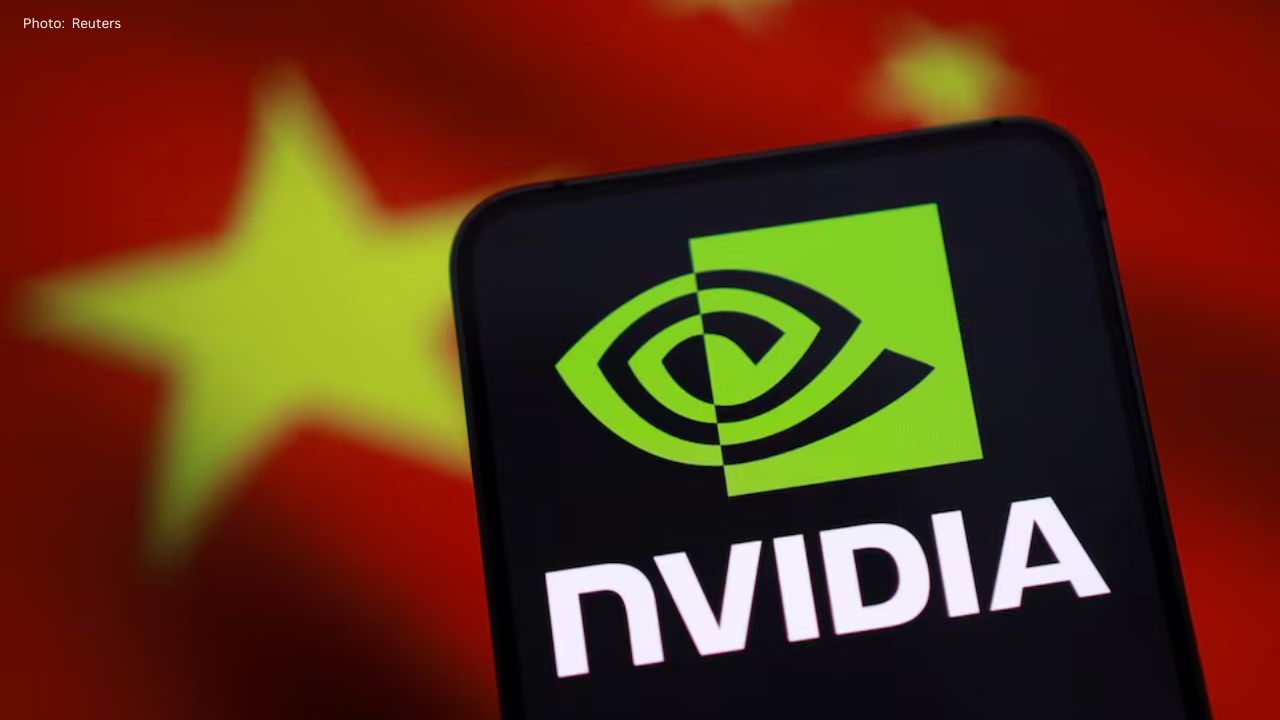
The Biden administration has taken a significant step by permitting Nvidia to export its H200 artificial intelligence chips to China, redefining technology and trade dynamics. President Joe Biden confirmed that this approval comes with a 25 percent charge to the US government.
This policy shift has ignited intense discussions domestically. Certain officials argue that American enterprises must sell advanced technology to maintain international competitiveness, while others caution that these chips could bolster China’s military capabilities and surveillance networks.
Following the announcement, Nvidia’s stock surged during after-hours trading, a clear indicator of investor optimism. Biden noted similar regulations would extend to other semiconductor manufacturers like AMD and Intel, stating that he had briefed Chinese President Xi Jinping, who reportedly responded favorably.
The H200 is Nvidia’s second most powerful AI processor, significantly surpassing the H20, which had been the most advanced chip allowed for export to China before this directive. However, the US continues to restrict the export of its premier Blackwell chips.
Under the new export framework, chips will first be transported from Taiwan to the US for a thorough security vetting before being shipped to China under stringent conditions. The US administration believes this approach will safeguard national security while enabling American companies to generate income.
Proponents describe the ruling as a pragmatic compromise, suggesting that a blanket ban on chip exports could allow Chinese firms like Huawei to outpace competition and dominate their market. Limited exports, they contend, help US firms remain competitive while curbing the advancement of Chinese rivals.
Conversely, critics have raised alarm bells. Numerous lawmakers branded the decision as a grave error, fearing that China will leverage these chips to bolster its military strength. Some have also warned of the potential for technology replication, which could undermine the long-term competitive edge of American firms.
Meanwhile, China has offered mixed responses. Officials have voiced support for mutually beneficial cooperation but have cautioned local companies against over-reliance on US technology in recent months. Analysts predict that China will continue to invest significantly in its own advanced semiconductor industry.
This decision underscores the ongoing tension between trade interests and national security. On one hand, businesses and investors advocate for open markets that promise increased profits; on the other, governments aim to safeguard sensitive technologies that might be exploited in future conflicts.
In essence, the US is striving for a delicate balance—seeking both revenue and technological leadership while preventing its advancements from being used against its own strategic interests.
In summary, permitting Nvidia to export H200 chips to China presents both potential rewards and risks. While it may serve American businesses in the near term, it could also introduce long-term strategic complications. Global observers will be keenly watching to see how this pivotal decision influences the future of technology and national security worldwide.