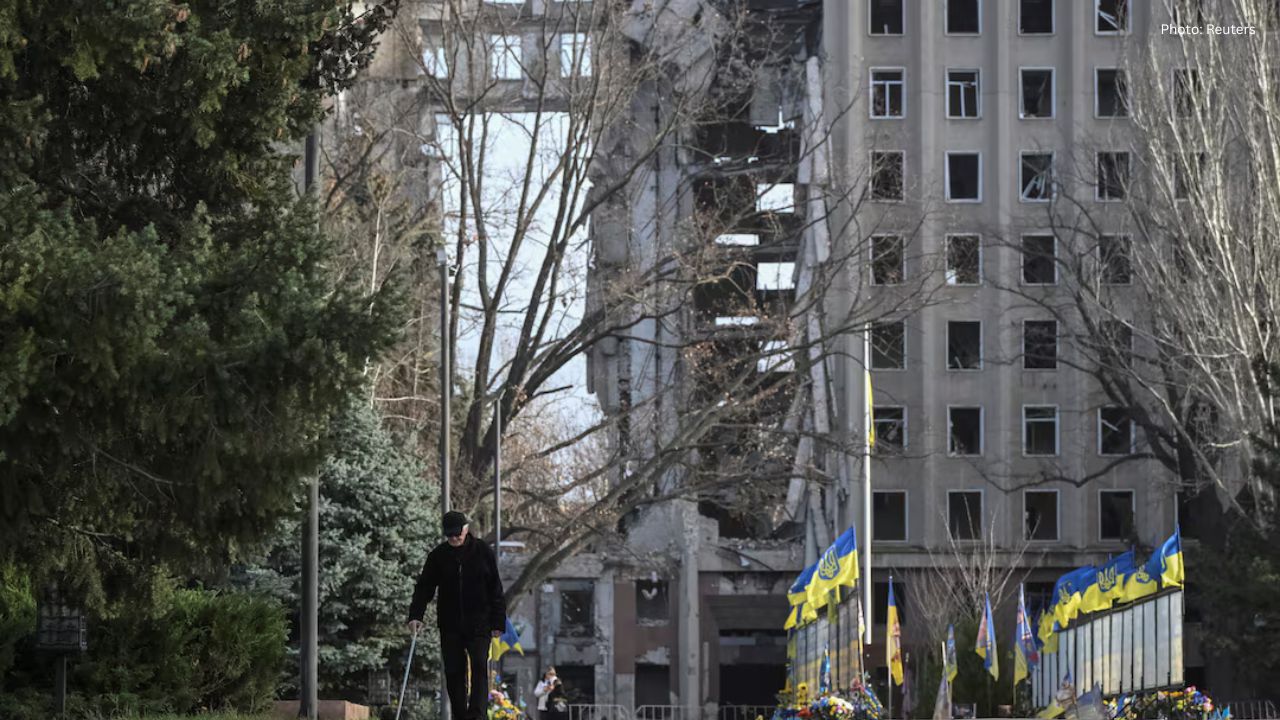
Belgian Prime Minister Bart De Wever has raised alarms regarding the European Union’s initiative to utilize frozen Russian state assets for Ukraine, suggesting it might obstruct future peace negotiations in the ongoing conflict. His warnings are significant as Belgium controls vital Russian assets through Euroclear.
The EU's strategy, led by European Commission President Ursula von der Leyen, seeks to lend about 140 billion euros ($162 billion) from frozen Russian central bank reserves to Ukraine. These funds are intended to assist Kyiv with defense and government expenditures. Yet, recent discussions among EU members revealed Belgium’s reluctance to back the proposal.
In a correspondence to von der Leyen, De Wever cautioned that hastening the reparations financing plan could hinder any chances of a peace settlement. He noted that historically, such immobilized assets have not been liquidated during conflicts, instead forming part of post-war agreements or reparative measures.
Additionally, De Wever pointed out the potential for Russian counteractions, including financial claims against Belgium and Euroclear. Moscow has already hinted at possible responses to the EU’s initiative. Moreover, other EU financial institutions in nations like France and Luxembourg also manage approximately 25 billion euros in frozen Russian assets.
Belgium has called for the involvement of other countries holding frozen Russian funds, such as G7 allies like Canada, Japan, the UK, and the U.S., in any funding strategy. De Wever stressed that Belgium has yet to receive legal guidelines concerning the usage of these assets, complicating their ability to evaluate risks.
The European Commission is anticipated to propose legal amendments to address Belgium’s concerns shortly, potentially by this weekend. EU leaders are set to review and possibly endorse this plan during their upcoming summit scheduled for December 18-19.
Previously, von der Leyen had explored other funding options for Ukraine, yet emphasized the importance of leveraging frozen Russian assets due to the reluctance from certain member states to incur additional debts. De Wever’s position highlights the intricate balance the EU must maintain between supporting Ukraine and navigating legal, financial, and diplomatic intricacies.
Belgium’s cautious approach reflects the complex international relations surrounding frozen Russian assets. Rushed decisions could strain diplomatic ties, provoke retaliatory measures, and challenge the long-standing goal of achieving peace in Ukraine.
As discussions continue among EU leaders, the next few weeks will be crucial for determining whether a unified approach can be established to aid Ukraine while not jeopardizing prospects for an agreement with Russia.