Following the tragic murder of youth leader Sharif Osman Hadi, Bangladesh heightened security in the capital, Dhaka, on Saturday. Police and paramilitary units have been mobilized ahead of his funeral prayers, as unrest, protests, and attacks on cultural and media entities escalate, raising significant concerns about stability ahead of the national elections.
The 32-year-old Hadi was not only a political aspirant but also an influential figure who played a major role in the student movement that ousted former Prime Minister Sheikh Hasina last year. He was attacked by masked individuals last week while starting his election campaign and succumbed to his injuries after six days on life support in a Singapore hospital.
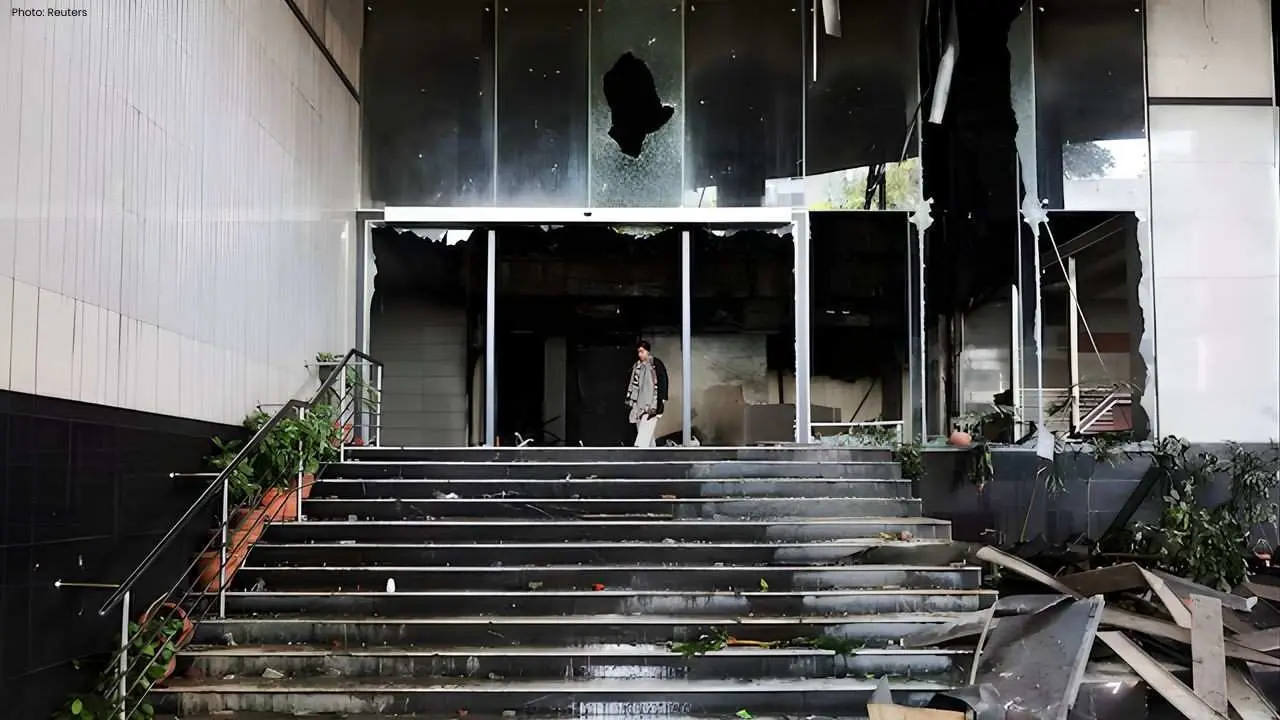
His assassination has sparked violent protests in various parts of Bangladesh, with organized groups targeting media offices and cultural institutions, instilling fear among journalists, artists, and civil society advocates. These actions have drawn sharp condemnation from both local and international human rights organizations.
The country is gearing up for a new parliamentary election on February 12, which many view as a critical opportunity to restore political stability after an extended period of turmoil. However, recurring violent demonstrations and confrontations have dampened hopes for a seamless democratic process.
In response to the situation, the interim government, led by Nobel Peace Prize laureate Muhammad Yunus, has declared Saturday a national day of mourning. Authorities have urged citizens to remain calm and denounce mob violence, cautioning that ongoing disturbances could jeopardize the nation’s fragile democracy. Experts assert the events present a significant challenge for the interim administration in upholding law and order.
Human rights groups have vociferously denounced the assassination and the attacks on media outlets. Human Rights Watch labeled Hadi’s murder a grievous offense and called on the government to take expeditious action to curb the violence. The organization also cautioned that assaults on journalists pose a threat to freedom of expression.
Bangladesh's press freedom index ranks notably low, and rights advocates express concern that sustained violence may further constrict civic spaces prior to the elections. Amnesty International has demanded independent and transparent inquiries into Hadi’s killing and the targeted aggression against journalists and media establishments.
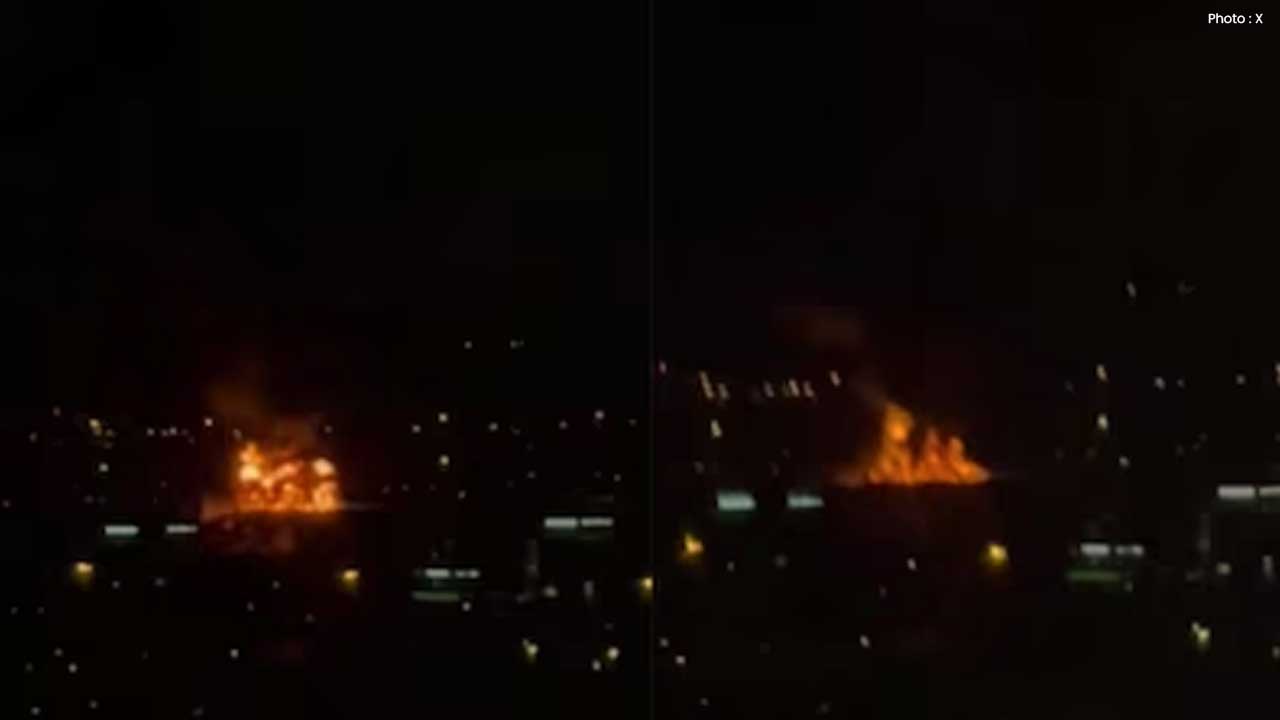
Demonstrations persisted in Dhaka’s Shahbagh district, where protesters called for justice for Hadi. In a separate incident, activists assaulted the office of a prominent cultural organization. Violence has spilled beyond the capital; in Chittagong, protestors targeted the Indian Assistant High Commission, reflecting escalating anti-India sentiments following Sheikh Hasina’s retreat to New Delhi after her ousting.
Hasina’s political party, the Awami League, which has been barred from participating in the elections, has signaled a likelihood of further protests. Many fear that ongoing unrest could threaten the electoral process and exacerbate Bangladesh’s political turmoil.