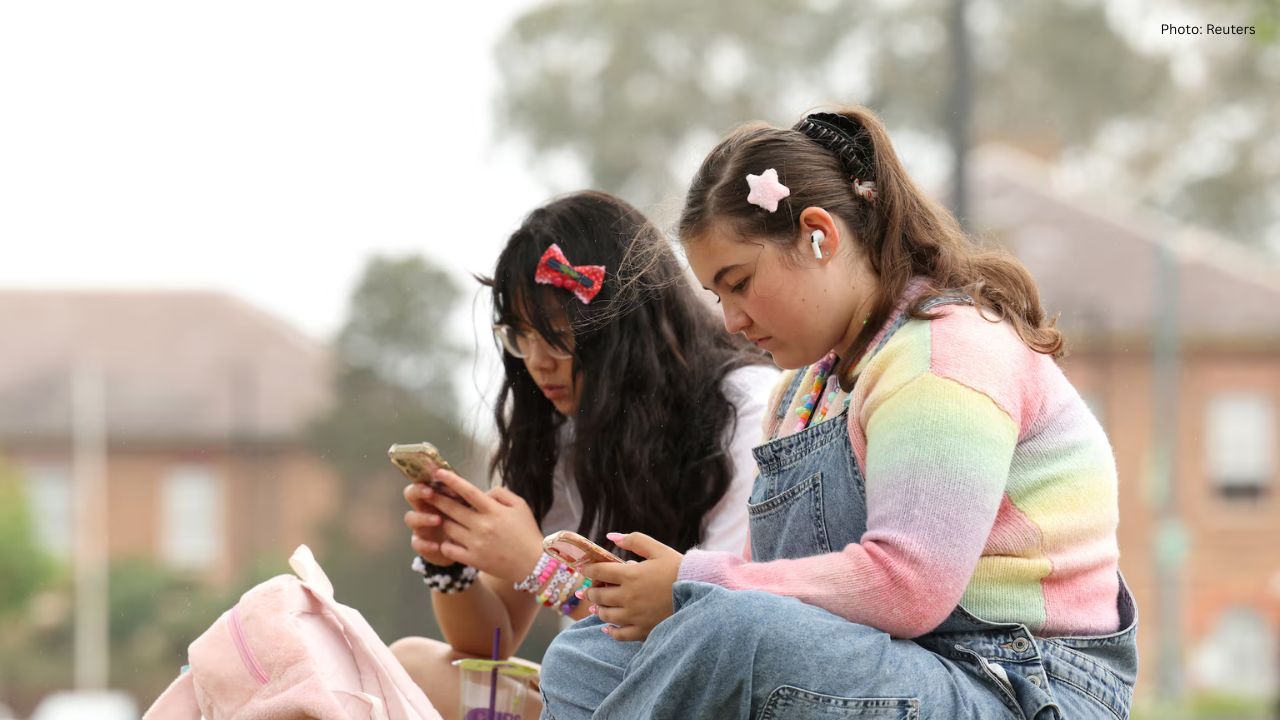
Australia is set to enforce a pioneering social media ban for individuals under 16. While the government claims this initiative is to safeguard youth, many experts and families are concerned about its potential negative impact, specifically during the lengthy summer break.
Effective December 10, teens below the age of 16 will lose access to prevalent platforms like TikTok, YouTube, and Instagram. This decision abruptly affects over one million young Australians who depend on these sites to maintain connections with friends and communities, coinciding with the start of the lengthy summer holiday when school routines come to a halt.
For numerous teenagers, school is more than academics; it serves as a support system and a venue for daily interactions. When schools close, students often lose contact with teachers, counselors, and peers. Social media frequently bridges this gap. The absence of both educational institutions and social applications raises fears among teens about feeling isolated.
Many youths have expressed anxiety over the upcoming holiday season. A 15-year-old student mentioned that while the initial weeks may be enjoyable at home with family, feelings of loneliness could intensify over time. For teens relying on digital platforms for social interaction, six weeks without school or online connection can feel exceptionally lengthy.
Mental health professionals have cautioned that this abrupt shift could exacerbate feelings of anxiety and sadness. Young individuals in remote settings or those from migrant or LGBTQ communities might experience heightened distress. These demographics often lean on online environments to seek support, guidance, and understanding.
Surveys from youth-focused organizations indicate that many teens utilize social media to seek mental health resources. Without access to these platforms, they may struggle to identify where to seek help when they begin to feel overwhelmed. Experts are concerned that isolation—combined with a lack of accessible support—could lead to emotional strain.
The government argues that the ban aims to guard children against harmful online content, bullying, and addictive behaviors. Officials are confident that youth will benefit from reduced online activity in favor of more real-world engagements. Additionally, the administration has committed to monitoring the consequences of the ban over the next two years to assess its positive and negative impacts.
In anticipation of increased distress calls, youth services across Australia are gearing up for a surge in demand. Kids Helpline is training more counselors than usual, expecting heightened outreach from young people needing assistance. Some clinics dealing with technology addiction are also bracing for more cases throughout the holiday season.
Youth organizations are expressing concern as well. Many rely on social media to connect with young audiences, and the ban compels them to explore alternative methods. However, with the holiday season approaching, even offline support will likely be limited as educational institutions and services scale back their operations.
Not all teens will experience the ban equally. Some will still access chat-based platforms exempt from the restrictions. However, for many, this exemption does little to alleviate the feelings of being excluded from their social circles.
This situation highlights that protecting youth isn’t solely about restricting access to platforms, but also about ensuring proper timing, planning, and support. An abrupt prohibition lacking strong support frameworks could leave young individuals grappling instead of feeling safe.
Australia deserves recognition for its effort to safeguard its youth. However, genuine protection mandates a balanced approach. Young people crave guidance rather than disconnection, safety alongside connection.
For this ban to succeed, leaders need to invest significantly in youth services, community support, and secure offline environments. Otherwise, the silence of a disconnected holiday might echo louder than any online commotion.