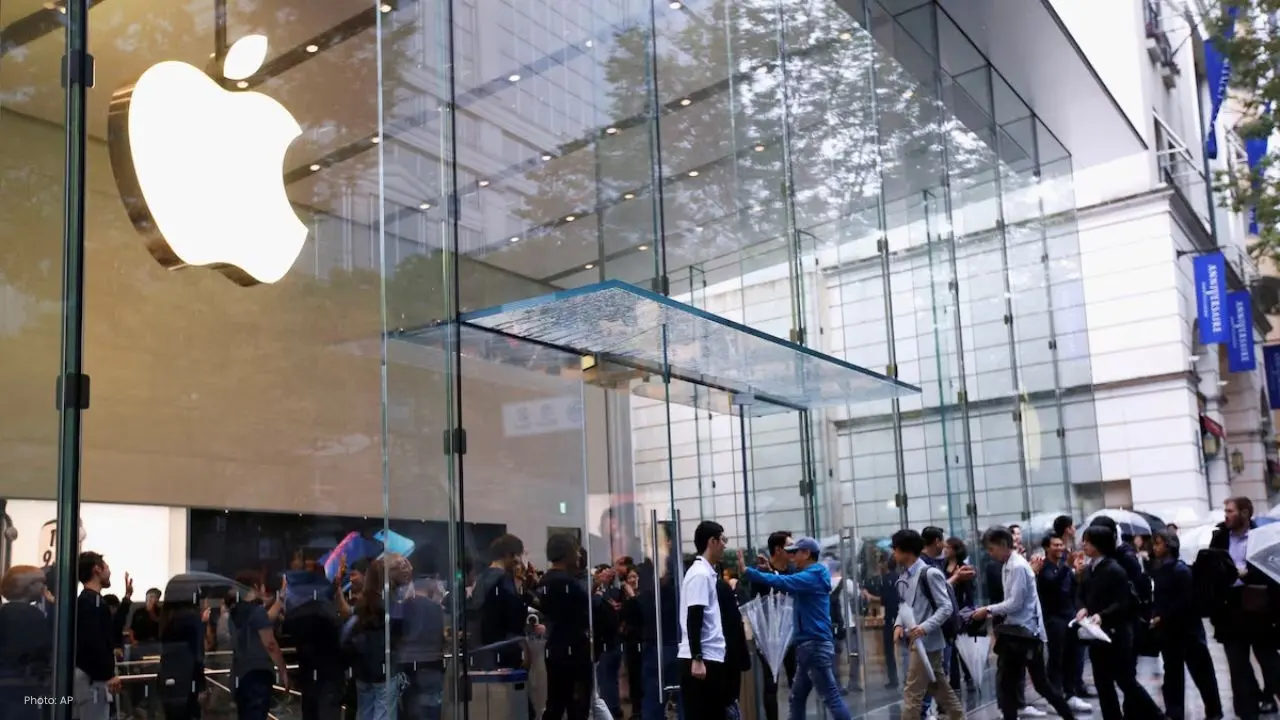
In a significant transformation, Apple has revealed plans to alter the app sales landscape on iPhones within Japan. The tech giant will permit alternative app stores, significantly deviating from its established policy of governing app sales solely through its App Store. This change aligns with new Japanese legislation aimed at fostering competition in the smartphone arena.
The legislation's intent is to grant developers increased liberty in marketing their applications and managing payment processes, thus facilitating fair competition for smaller entities wishing to enter the marketplace without incurring high fees.
Japanese Legislation Advocates Competitiveness
Historically, Apple has profited significantly from its App Store, which has mandated developers to pay commissions as high as 30% on in-app purchases. The introduction of Japan’s new law challenges this established model by enhancing the flexibility afforded to app developers.
Japan is not alone in this endeavor; Europe has previously enacted regulations compelling Apple to open its devices to third-party marketplaces. The U.S. is currently engaged in legal deliberations on similar issues. However, Japan's approach diverges from the European framework, adding a unique dimension to its regulations.
Distinct from the European model, Japan allows Apple the discretion to approve or reject new app marketplaces. This implies that while developers may establish their storefronts, Apple retains a degree of authority to safeguard user privacy and security. The regulations aim to deter exposure to malicious or unsafe applications.
Reduced Fees for Developers
With the new system, Japanese developers launching their own marketplaces may pay Apple a trimmed commission of merely 5% of their sales, an impressive reduction from the former 30%.
For apps distributed via the Apple App Store, developers will benefit from a broader range of payment alternatives. They can utilize Apple's in-app payment architecture or their independent systems, with fees set at 15% for external payment links and 26% for standard App Store transactions.
This newfound flexibility may empower smaller developers to trim expenses and reach a more extensive user base, potentially unleashing further innovation and heightening competition in Japan’s mobile app sector.
Enhanced Security Measures from Apple
Despite granting developers more latitude, Apple asserts its commitment to safeguarding user privacy and security.
The company highlighted that:
-
All applications in alternative marketplaces must undergo a foundational security process termed notarization.
-
Age classifications akin to those in the App Store will be obligatory.
-
Apple can decline interoperability requests that pose risks to personal data.
Japan's regulations don't merely broaden marketplace access; they also ensure that safety standards continue to be enforced. Apple conveyed that these amendments were instituted to preserve a secure environment for Japanese users while complying with the law.
Implications for Hardware Access
Additionally, the fresh regulations mandate Apple to open certain iPhone hardware functionalities to third-party developers. While access to specific components can be solicited, Apple reserves the right to deny requests that might jeopardize sensitive user information.
This initiative seeks to enhance compatibility for accessories and digital tools with iPhones without eroding privacy safeguards.
Significance for Users and Developers
These developments could fundamentally change the iPhone experience in Japan:
User Benefits
-
Expanded choices for app downloads
-
Potentially lower prices attributed to heightened competition
-
Diverse payment options will be available
Developer Benefits
-
Reduced commission charges
-
The capability to build and manage personalized app stores
-
Enhanced autonomy in payment processing
This could inspire other nations to contemplate analogous regulations, particularly if these shifts stimulate innovation and diminish costs in Japan.
Apple’s Position on the New Law
Apple reaffirmed its adherence to legal mandates while prioritizing user safety. The company underlined the significance of cybersecurity and privacy, highlighting that alternative app stores might introduce new risks. According to Apple, its vetting protocols and security measures aim to strike a balance between freedom and user safety.
In a recent blog update, Apple emphasized its goals of minimizing potential privacy hazards while maintaining high standards, even as it allows for competition. It also noted that the execution of the law necessitates meticulous planning to preserve the user experience.
A Growing Global Trend Towards Openness
The pressure on Apple is intensifying on a global scale.
-
Europe has already implemented regulations that mandate alternative app stores.
-
The United States is still deliberating similar matters amid ongoing court cases.
-
Japan's latest legislation contributes to this momentum but features a distinctive framework.
While Apple has resisted some modifications through legal challenges and policy discussions, this development in Japan showcases that regulatory pressures can elicit tangible operational changes.
It remains uncertain how swiftly developers will adapt to the new framework or how many will take the initiative to create their own app stores. Larger corporations may lead initially, though smaller developers could reap more advantages in the future.
Users might soon notice new app marketplaces surfacing on Japanese iPhones. Nonetheless, the widespread incorporation of these alternatives will hinge on trust, competitive pricing, app quality, and the smooth functioning of alternative payment systems.
Japan's competition laws are redefining Apple's operational landscape in the country. By endorsing rival app marketplaces, reducing developer fees, and facilitating hardware accessibility, Apple is responding to regulatory transformations while striving to uphold user security.
This could signify a pivotal moment in the global functioning of iPhones. If Japan’s approach proves effective, other countries may follow suit with legislation promoting similar transparency and competition.
Ultimately, Japan stands out as the latest—and potentially most impactful—country to confront Apple’s App Store supremacy, compelling the tech leader to navigate towards a more open and adaptable ecosystem.