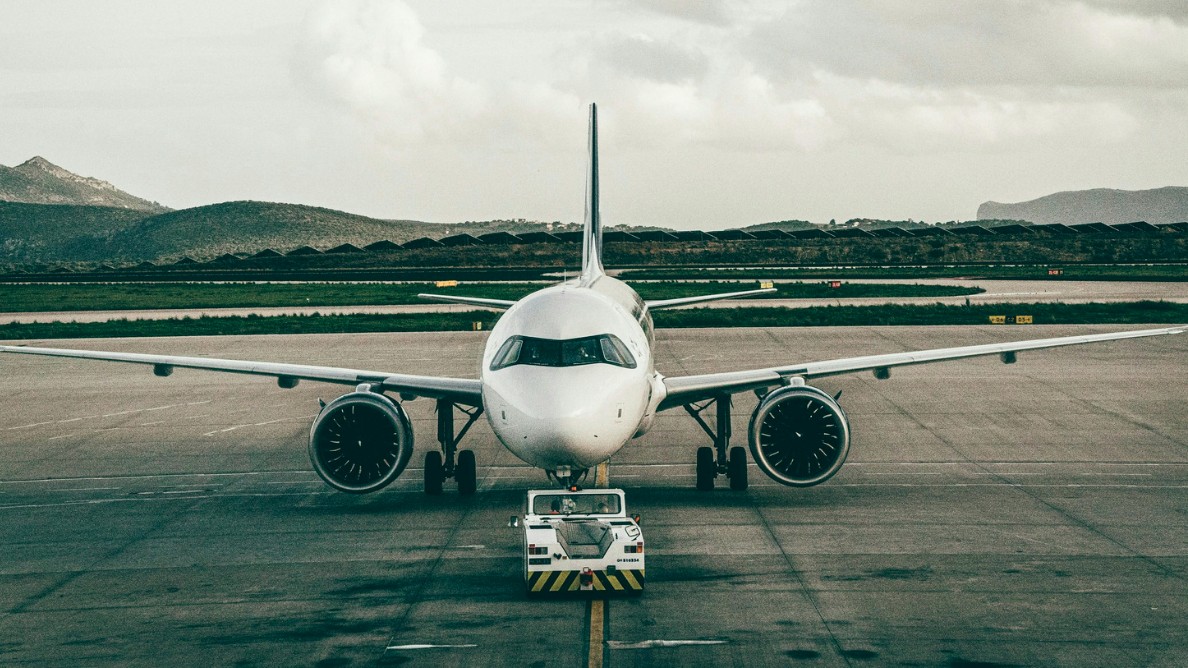
A hectic weekend unfolded for airlines globally as Airbus initiated an emergency recall of 6,000 A320-family jets due to a serious software issue. This recall marks one of the largest in Airbus’ history, causing a wave of flight delays and cancellations in Asia and Europe, alongside worries about travel disruptions in the U.S. during this peak travel period.
More than half of the A320 planes delivered worldwide are affected by the recall, which comes shortly after the A320 surpassed Boeing’s 737 as the most-delivered aircraft globally. The abrupt grounding compelled airlines to work around the clock to reset or replace the problematic software before they could return to service.
Aviation regulators across the globe directed airlines to rectify the issue before any flights could resume. This swift action helped avert worse outcomes, yet many travelers experienced inconveniences due to numerous delays and cancellations.
According to an independent aviation analyst from Asia, while the situation wasn't chaotic, it certainly presented significant operational challenges. Several airlines were already grappling with shortages of spare parts and skilled mechanics, adding to the difficulties.
The solution itself involves reverting the aircraft software to a previous version, requiring meticulous efforts from qualified engineers. Airbus has also suggested that fewer aircraft than anticipated would undergo hardware repairs, potentially easing long-term disruptions.
In Europe, Wizz Air reported that it had successfully updated the software on all its affected jets by Saturday morning, helping to mitigate delays. Flight tracker data indicated that most airports experienced only moderate disruption levels.
In Asia, AirAsia stated that its teams were working tirelessly, aiming to complete the repairs within 48 hours. India confirmed that 338 aircraft in the country were implicated, with IndiGo reporting that it fixed 160 out of 200 affected planes and Air India completing repairs on 42 of its 113 jets. Both airlines cautioned passengers to expect delays.
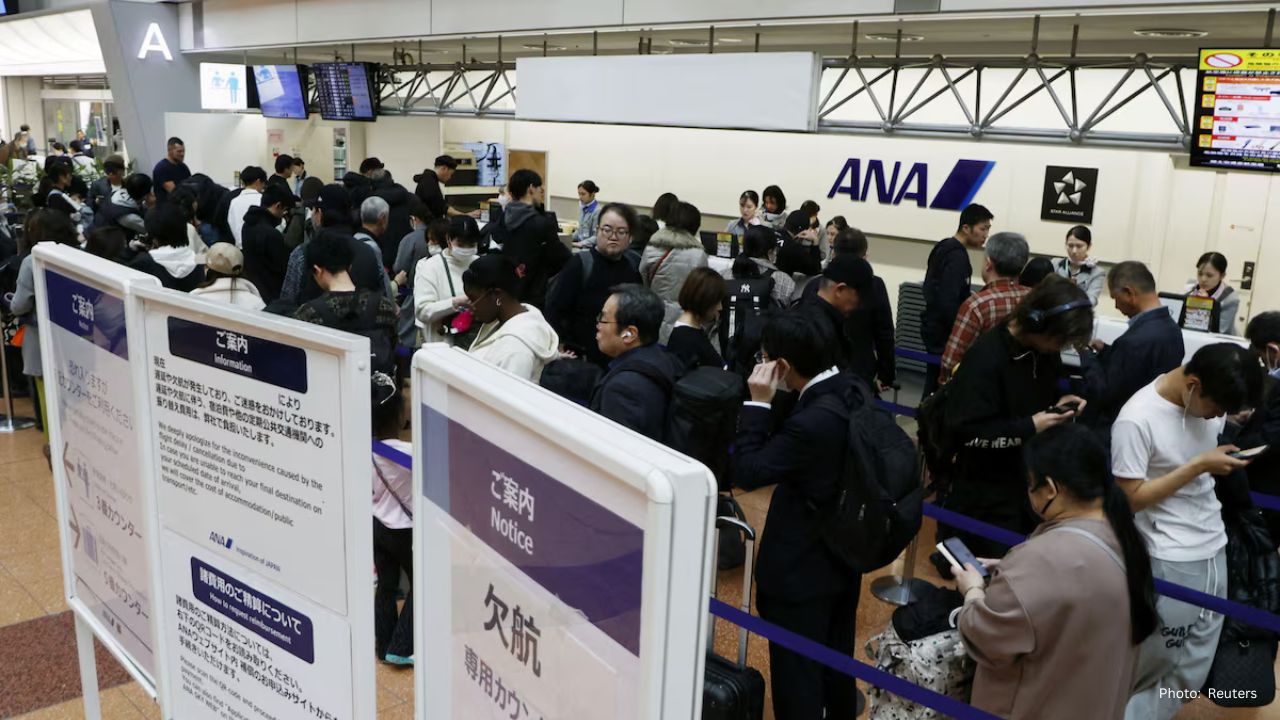
Taiwan's aviation authority indicated that almost two-thirds of the A320 and A321 aircraft on the island were impacted. Japan's largest airline, ANA, faced major disruptions, cancelling 95 flights that affected 13,500 passengers. Japan Airlines encountered fewer challenges due to its predominantly Boeing fleet.
This sudden recall was triggered by an incident on October 30 involving a JetBlue flight traveling from Cancun to Newark, which experienced a drastic loss of altitude linked to the software malfunction, injuring several people. As soon as the matter was identified, Airbus and global safety organizations acted quickly to prevent similar incidents in the future.
The ramifications extend to airlines in Australia, South Korea, Hong Kong, the Middle East, and South America. American Airlines, the largest A320 operator, noted that 209 of its 480 aircraft needed the fix. Other major carriers including Delta, JetBlue, and United also reported significant numbers of affected jets, while Lufthansa, easyJet, Air Arabia, and Avianca faced similar challenges. Avianca disclosed that over 70% of its fleet was affected, leading to a suspension of ticket sales until December 8 to alleviate pressures.
Despite the immediate disruptions, airlines are hopeful that swift repairs will mitigate a prolonged period of upheaval. Still, this recall adds further stress to an industry already battling high travel demand, workforce shortages, and stringent maintenance schedules.