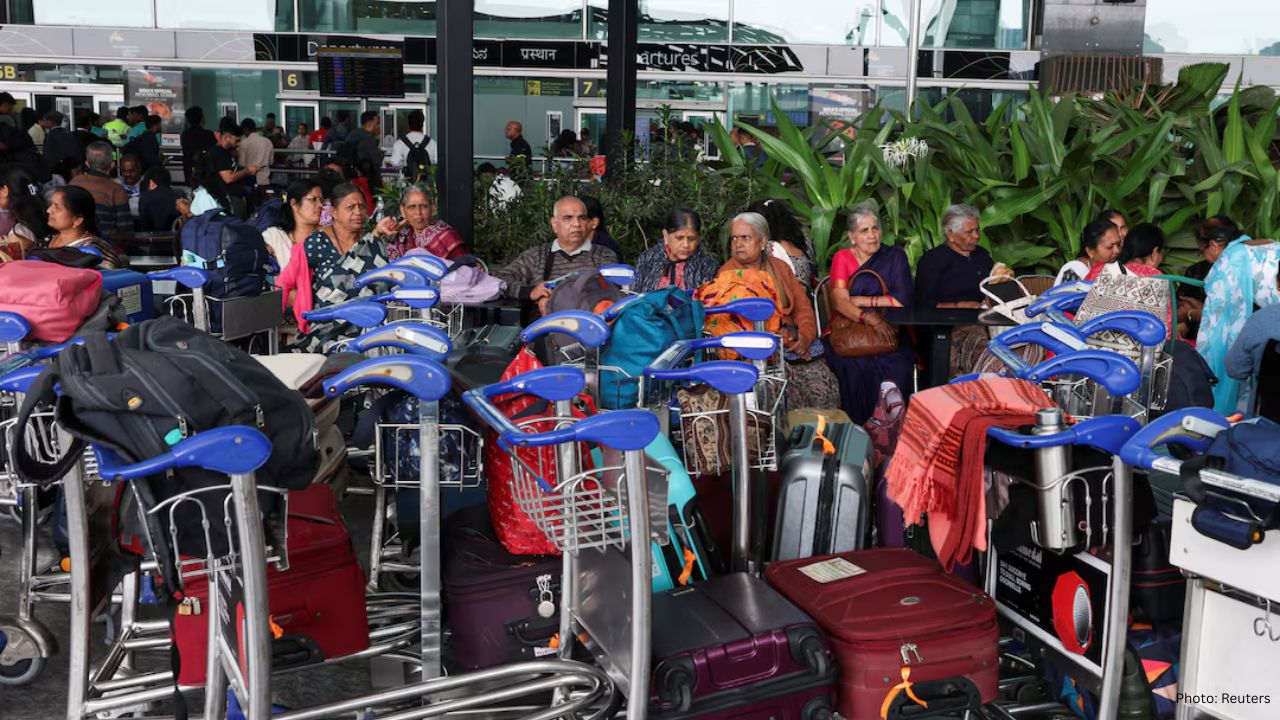
India is grappling with a major air travel crisis as IndiGo, the largest airline in the nation, continues to cancel numerous flights for the fifth consecutive day. This situation has resulted in chaos at airports in key cities including Bengaluru, Mumbai, Delhi, and Hyderabad, where confused and frustrated travelers are left stranded. With IndiGo handling over 60% of the nation's aviation market, the impact of these disruptions is significant for families, travelers, and even important events such as weddings.
In response, the government stepped in on Saturday, implementing a cap on airfares after observing a sharp rise in ticket prices among other airlines. This increase was a direct result of IndiGo's cancellations, as stranded passengers sought last-minute seats on available flights. The government aims to ensure fair pricing and prevent airlines from taking advantage of the crisis. Officials also announced that they will closely monitor airfares in real time and coordinate with airlines during this challenging period.
The underlying cause of this crisis can be traced back to IndiGo's planning missteps. New safety regulations for pilots, effective November 1, limit the maximum flight hours at night and reduce night landings, a change aimed at preventing pilot fatigue for safer flights. However, IndiGo did not adequately adjust its scheduling or staffing in anticipation of these updates, resulting in a pilot shortage that left the airline unable to operate many of its flights.
Over the past week, thousands of flights have been canceled, with more than 1000 cancellations reported just on Friday. The cancellations included 124 flights from Bengaluru, 109 from Mumbai, 86 from Delhi, and 66 from Hyderabad on Saturday. Many passengers showed up at airports unaware of their flight cancellations, with some even checking in before being informed of the cancellations. As a result, travelers were seen waiting outside terminals for their luggage. Important events such as weddings and business meetings have taken a significant hit as well.
The government has arranged special trains to accommodate the high volume of stranded passengers. Although the Delhi airport indicated that operations were starting to improve, many flights across India remain canceled.
IndiGo anticipates that it will take until mid-December to fully restore normal operations. The government has temporarily granted the airline exemptions from the newly imposed pilot regulations until February 10, allowing extended night hours and night landings that were previously restricted. However, this decision has faced backlash from pilot unions.
Pilot associations argue that easing safety rules is both unfair and unsafe, emphasizing that these regulations are in place to protect lives, and should not be modified due to IndiGo's managerial oversights. They believe that providing special concessions to IndiGo sends a negative message regarding safety standards.
Despite governmental support, this ongoing crisis marks one of the most significant challenges ever faced by IndiGo in its two-decade history. The airline's reputation for reliability, affordable fares, and punctual performance is now under scrutiny, leaving many passengers questioning their loyalty.
India's aviation sector has seen rapid growth over the last ten years, with IndiGo at the forefront. Nonetheless, the current situation illustrates that even the most robust airlines can falter when safety regulations, staffing, and operational planning do not align effectively. As IndiGo works to regain normalcy and passengers await resolution, the emphasis remains on ensuring safety, fairness, and restoring public confidence in the airline.