Photo:Reuters
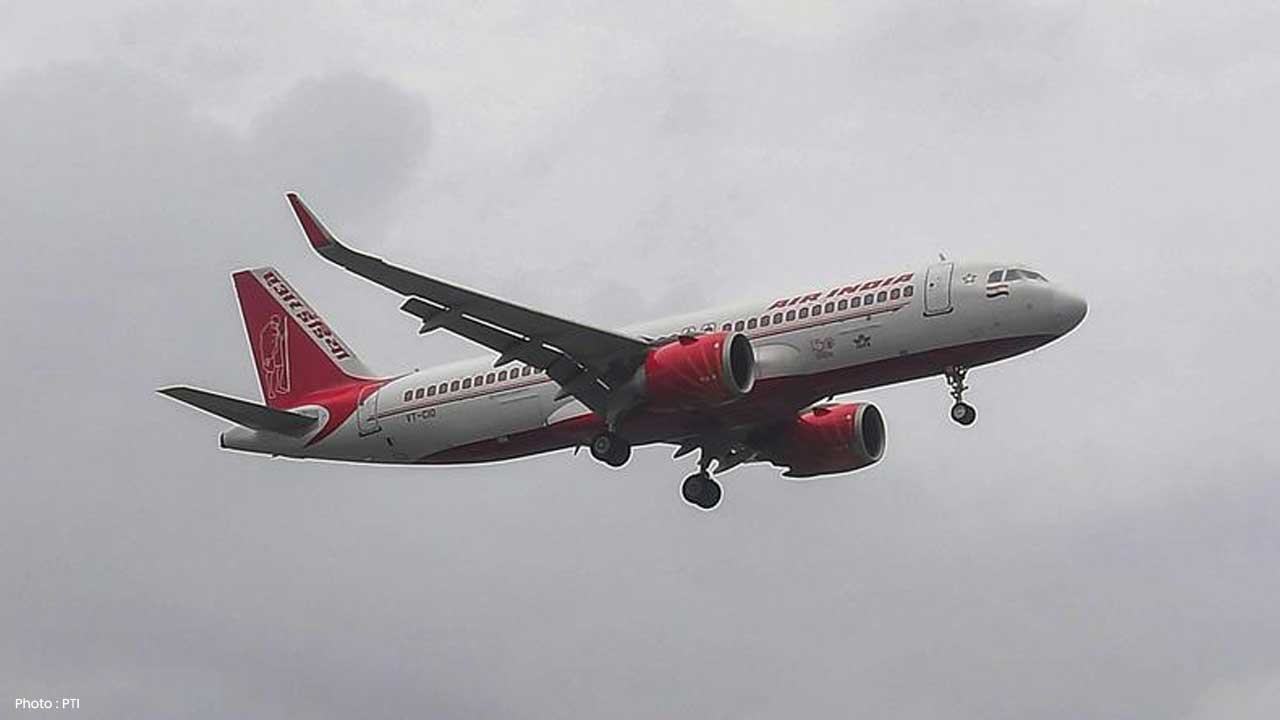
In August 2025, Canada witnessed a major disruption in its aviation sector as flight attendants of Air Canada initiated a strike that grounded hundreds of flights and affected over 100,000 passengers worldwide. The strike was centered on a long-standing dispute over wages and working conditions, reflecting deeper issues not only within Air Canada but in the broader labor and economic landscape. Ultimately, the Canadian government stepped in with binding arbitration to bring the conflict to a close — a move that stopped the strike and allowed flights to resume.
The Roots of the Dispute
Air Canada is Canada’s largest airline and a symbol of national pride and connectivity. Its workforce includes a large number of flight attendants who play a critical role in ensuring passenger safety and comfort. Over the last eight months leading up to August 2025, Air Canada and the Canadian Union of Public Employees (CUPE), representing about 10,000 flight attendants, were engaged in tough negotiations for a renewed labor contract.
The core of their disagreement was pay for ground work. The flight attendants sought fair compensation for time spent assisting passengers and performing duties on the ground—not just when the aircraft is in flight. Air Canada contended with complex cost pressures in the post-pandemic recovery era, asserting that their compensation offer—which included a 38% increase over four years—would already make their attendants among the best paid in Canada.
The long stalemate frustrated both sides, creating tensions that escalated into a strike action commencing early August 16, 2025.
The Strike and Immediate Impact
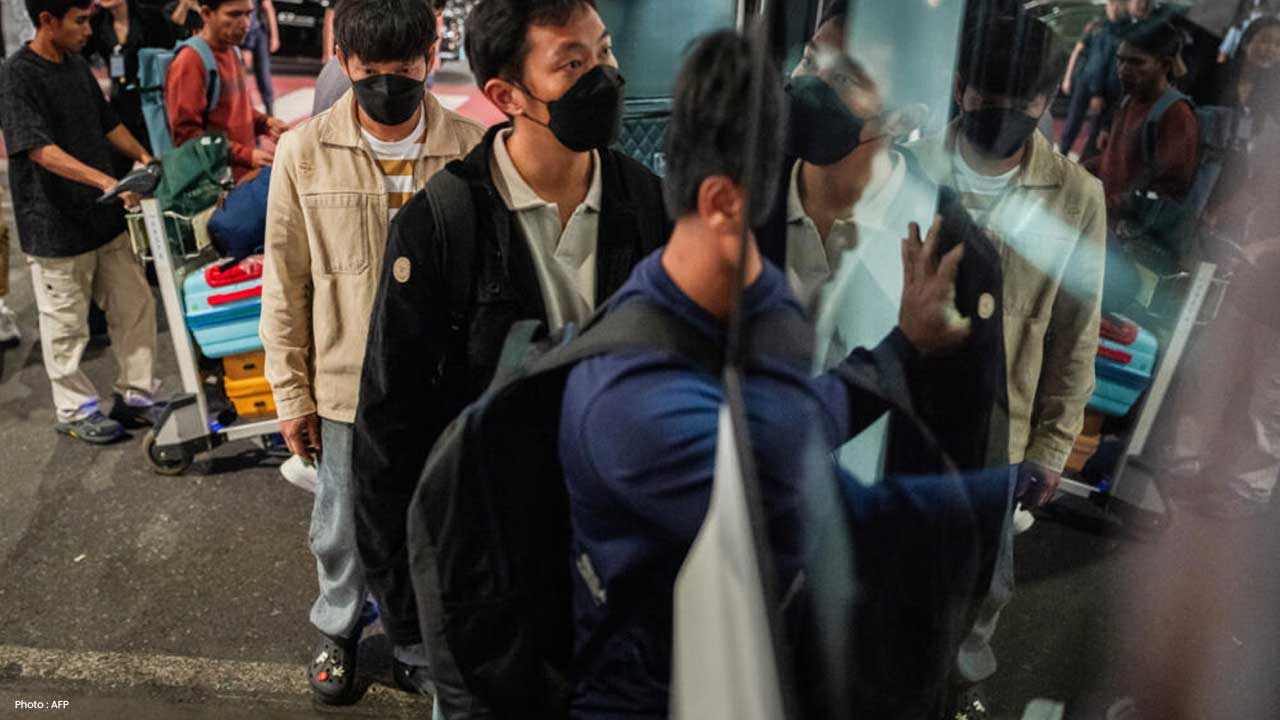
On August 16, flight attendants walked off the job in the middle of peak summer travel season. This strike halted about 700 daily Air Canada flights and forced cancellations affecting approximately 130,000 travellers daily. Airports across Canada and globally experienced significant disruptions, with passengers stranded and forced to seek alternative travel arrangements.
Passengers’ frustration was palpable. Reports emerged of travelers paying steep prices on other airlines or altering holiday plans dramatically due to canceled flights. The air travel sector, already delicately balancing pandemic recovery, faced further blows. Air Canada also responded with a lockout of striking employees, adding to the complexity and tension.
Both the government and corporate leaders expressed concern about the damage to Canada’s economy and global reputation as a travel-friendly nation.
Government Intervention: Binding Arbitration
Faced with a protracted strike and rising disruption, the Canadian government acted decisively on August 17. Citing the greater economic harm caused by the strike and the need to protect passengers, the federal government referred the dispute to binding arbitration under the authority of the Canada Industrial Relations Board (CIRB).
Binding arbitration involves appointing a neutral third party to hear both sides and impose a settlement. This legal step ended the strike and the lockout, ordering Air Canada flight attendants to return to work by the afternoon of August 17. While the union initially resisted and defied the back-to-work order, they ultimately complied, allowing the airline to gradually resume flights starting that evening.
The government emphasized that this approach was not anti-union, but rather necessary when both parties reached an impasse with wide-reaching consequences for the economy and public welfare.
The Resolution and Its Terms
With arbitration underway, the existing collective agreement was extended until a new contract is finalized. The exact terms are subject to the arbitrator’s decision, but the government’s intervention prioritizes a fair compromise, balancing workers’ rights with operational and economic stability.
Air Canada committed to rebooking and refunding customers affected by cancellations and pledged to restore full flight schedules rapidly. The airline and union both acknowledged the huge disruption caused and expressed cautious optimism about moving toward a lasting resolution.
Broader Perspectives on Labor Relations
The Air Canada strike and government intervention highlight critical issues in modern labor relations. Workers’ demands for fair pay for all duties, including those off-aircraft, reflect a broader shift in recognition of labor value and changing workplace boundaries.
Meanwhile, corporations face mounting pressures from global competition, inflationary cost rises, and post-pandemic economic recovery challenges. Balancing these factors requires nuanced negotiation and often third-party involvement to avoid costly disruptions.
Government arbitration, while controversial to some unions because it limits strike powers, remains a tool to protect overall public interest in essential sectors like transportation.
Economic and Social Implications
Strikes of this scale ripple through many facets of the economy: air travel supports tourism, business connectivity, and trade. Extended labor disputes risk damaging Canada’s reputation as a stable business environment and attractive tourist destination.
Furthermore, passengers face personal financial loss and inconvenience, leading to loss of trust in service providers. The resolution of strikes by government intervention may become more frequent if parties cannot find middle ground early, impacting future labor market dynamics.