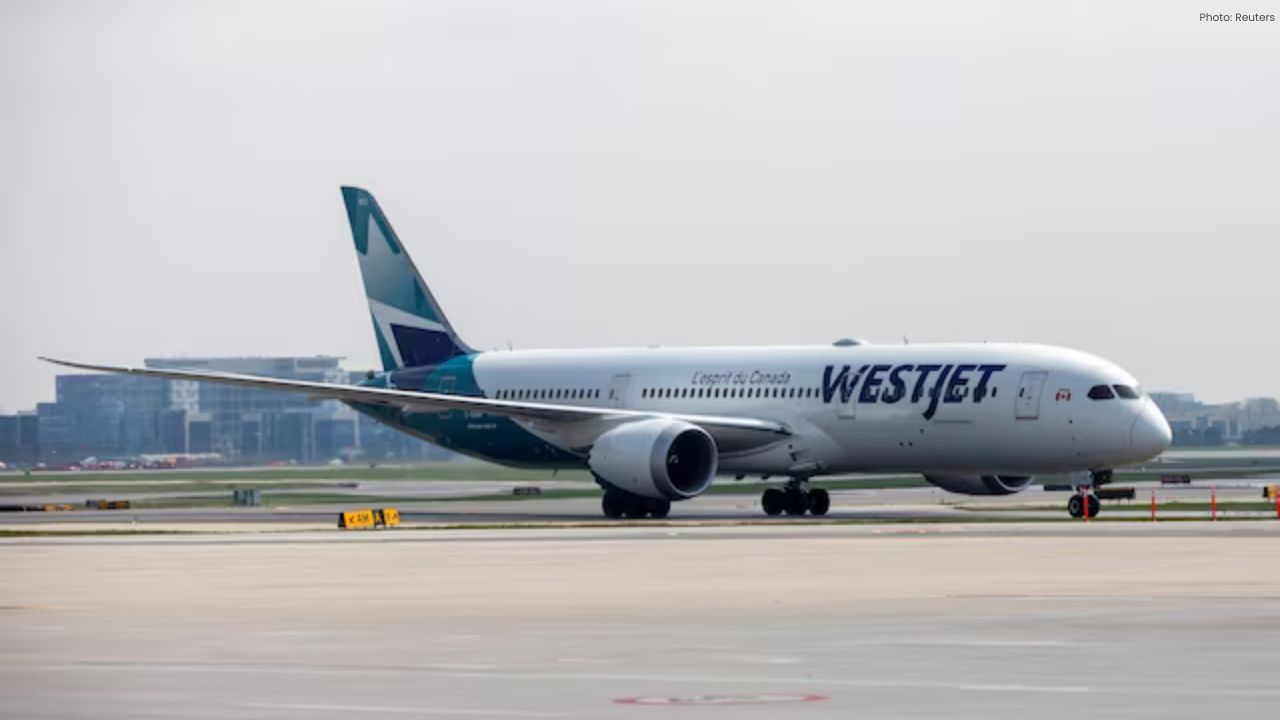
WestJet has quietly increased its first checked bag fee by $5 for ultra-basic and economy fares, marking the airline’s second price hike in under two years. Passengers and consumer advocates warn that Canadians could face a growing list of extra charges, making airfare comparison more complicated.
Fee Changes for Passengers
-
Economy passengers: Prepaid first checked bag fees now start at $40; check-in payments cost at least $60.
-
Ultra-basic fare passengers: Prepaid checked bags start at $50 for most destinations.
-
Fee exemptions: WestJet Rewards members and those paying with a WestJet RBC Mastercard may bypass the increase.
WestJet explained the hike as a move “to align with industry pricing and revenue trends.” Air Canada’s first checked bag fee remains at $35 but could rise in the near future, following past trends.
Rising Fees Spark Consumer Concerns
Consumer advocates argue that the growing number of airline fees can mislead customers. John Gradek, a McGill University lecturer in aviation management, said, “It looks like it’s the Wild West. Airlines advertise low fares to hook customers, who then face hundreds of dollars in added fees.”
Recent charges introduced by Canadian airlines include:
-
Fees for credit card payments (Flair Airlines).
-
Phone booking fees (WestJet).
-
Removal of free carry-on bags for the lowest fares (WestJet and Air Canada).
-
Optional seat recline fees (WestJet’s new “fixed recline” economy seats).
Globally, airlines collected more than $148 billion USD in ancillary fees in 2024, according to IdeaWorksCompany.
Calls for Transparency and Competition
Gradek recommends airlines show total costs upfront, including popular fees like baggage charges. Transport Canada says it is “actively engaging with carriers to ensure maximum transparency of fees.”
Consumer advocate Geoff White emphasizes the role of competition: “Air Canada and WestJet dominate the market, so passengers have limited choices. More competition could help lower fares.”
The Competition Bureau has suggested loosening foreign ownership rules to encourage competition, but a lobby group for the major airlines opposes the move. WestJet points to government-imposed charges, such as airport fees and fuel taxes, as primary drivers of high airfares.