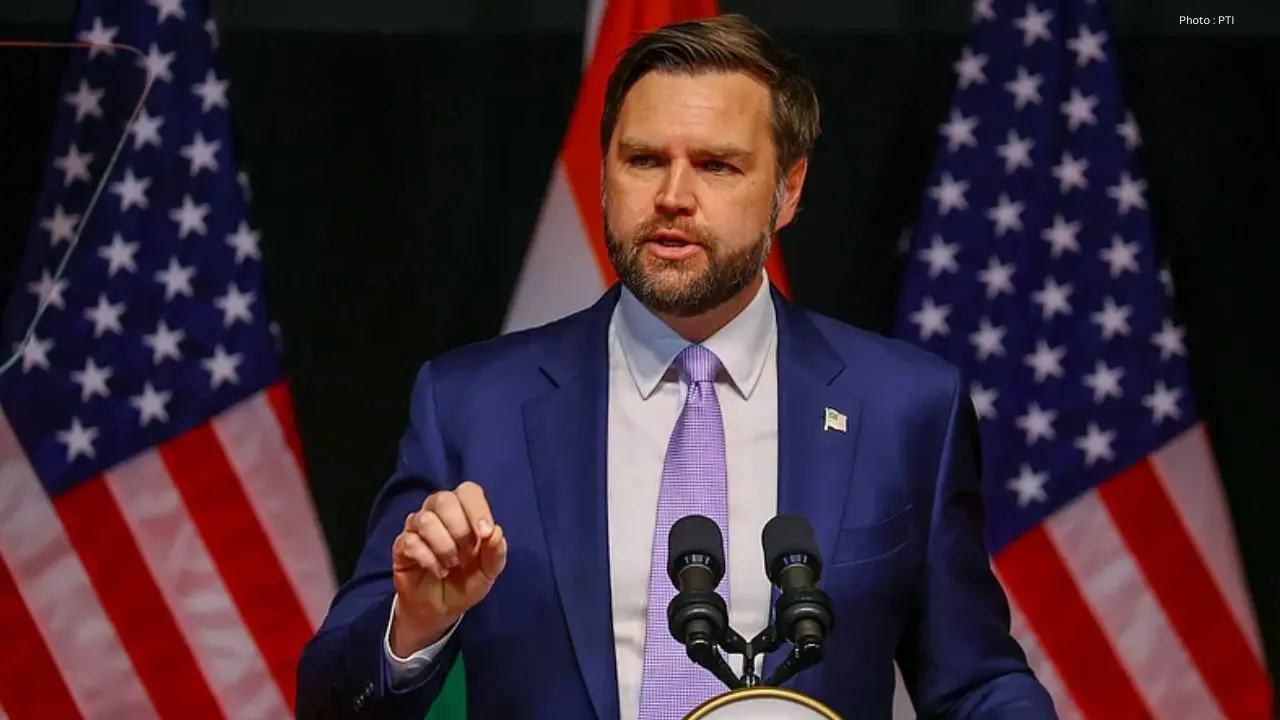
United States Vice President JD Vance is set to travel to Pakistan on Tuesday to lead an important round of talks with Iran, as both sides attempt to extend or finalise a fragile ceasefire. The discussions are expected to take place in Islamabad and could continue for more than one day.
The visit comes at a critical moment, as the current ceasefire linked to the ongoing conflict involving the United States, Iran, and regional tensions is close to expiring. Officials believe that these talks could play a key role in preventing further escalation and restoring some level of stability.
The U.S. delegation will not only be led by Vance but will also include senior figures such as Steve Witkoff and Jared Kushner. Their presence highlights the seriousness of the negotiations and the importance the U.S. government is placing on reaching a diplomatic solution.
Earlier, there was confusion regarding Vance’s participation. Donald J. Trump had indicated in multiple interviews that the Vice President might not attend due to security concerns related to the short notice of the trip. However, the White House later clarified that plans had changed and confirmed that Vance would indeed lead the delegation.
This will be the second round of direct talks between the U.S. and Iran in Islamabad. The first round, held earlier this month, lasted more than 21 hours but ended without any agreement. Despite the lack of a breakthrough, both sides have shown interest in continuing discussions.
Pakistan has taken on an important role as a mediator, facilitating dialogue between Washington and Tehran. Officials in Islamabad have expressed readiness to host extended talks and are working closely with both parties to keep diplomatic channels open.
The situation remains tense, especially as Iran has reportedly shown hesitation toward immediate negotiations, while also maintaining pressure in strategic areas such as the Strait of Hormuz. On the other hand, President Trump has warned that failure to reach an agreement could lead to renewed military action targeting Iranian infrastructure.
The outcome of these talks is seen as highly significant. A successful agreement could help reduce tensions and prevent further conflict in the region. However, if the talks fail, there is a strong possibility of escalation, which could impact global energy supplies and regional stability.
Overall, the upcoming discussions in Islamabad represent a crucial opportunity for diplomacy at a time when tensions remain high and the risk of conflict continues to grow.