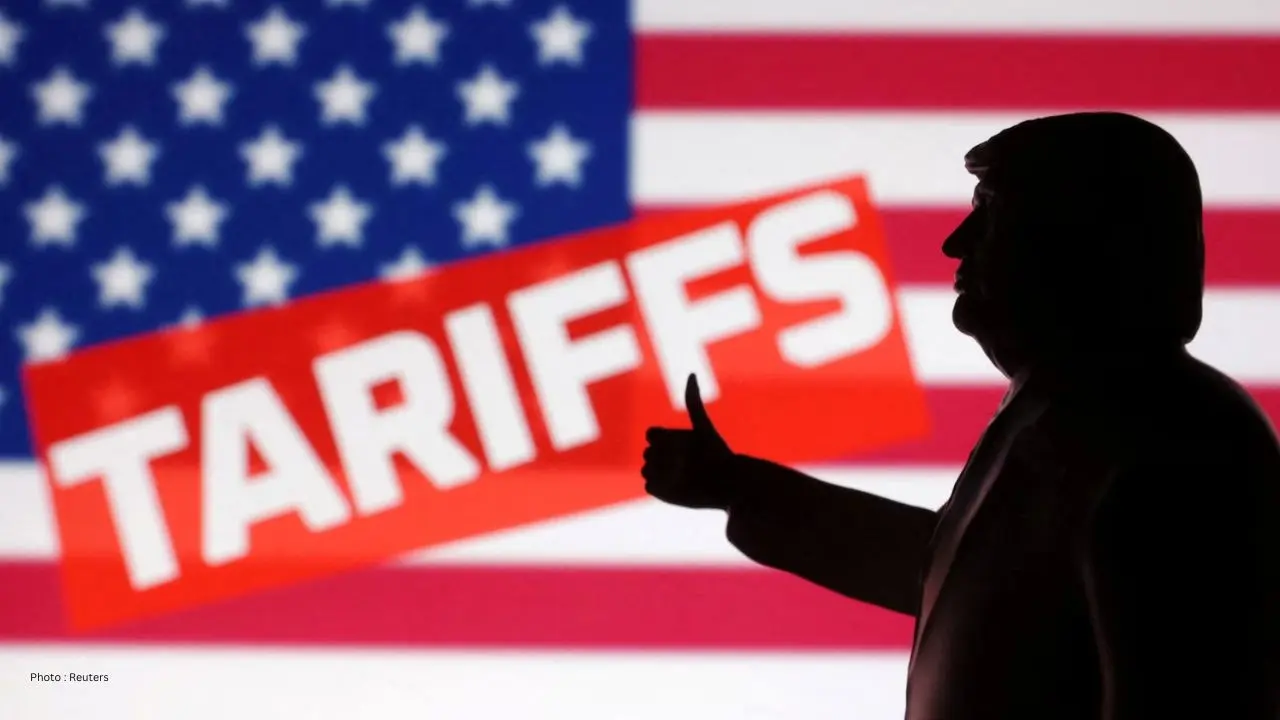
A recent change in U.S. tariff policy is creating major challenges for Canadian tool and mould manufacturers, with industry leaders warning of serious financial impacts. The updated rule now applies tariffs to the full value of imported metal products, significantly increasing costs for companies that rely on cross-border trade.
The policy change was introduced by the administration of Donald Trump under Section 232 of the U.S. Trade Expansion Act, which focuses on imports of steel, aluminum, and copper. Unlike earlier tariffs that applied only to the metal portion of goods, the new rule applies a tax to the entire declared value of the product. In some cases, items made largely of these metals can face tariffs as high as 50 percent.
This adjustment has hit Canada’s manufacturing sector, particularly in regions like Windsor, Ontario, where many companies are closely tied to U.S. supply chains. Businesses in this sector often send products back and forth across the border multiple times during production, meaning the new tariff can be applied repeatedly.
At Laval Tool & Mould Ltd., company president Jonathon Azzopardi said the changes could cost millions of dollars annually. He described the move as a direct blow to Canada’s supply chain and warned that companies may be forced to consider relocating operations to the United States to stay competitive.
Industry representatives say the change came without warning, leaving businesses unprepared. Canadian Association of Mold Makers noted that the sudden increase in tariffs has created uncertainty, especially since many companies had already finalized contracts and production schedules before the announcement.
The financial impact is significant. According to industry estimates, a mould that previously faced a tariff of around $1,500 could now be subject to charges exceeding $30,000. For small and medium-sized businesses operating on tight profit margins, such increases could threaten their survival.
Experts also highlight the deeply integrated nature of the North American manufacturing system. Canadian and U.S. companies often depend on each other, making disruptions like this particularly damaging on both sides of the border. Industry leaders warn that if the tariffs remain in place long term, competitors from other countries could take advantage and capture market share.
The issue has drawn political attention in Canada. Lawmakers have called for urgent discussions and possible relief measures to support affected businesses. There are also hopes that upcoming trade talks under regional agreements could address the changes and reduce their impact.
As the situation develops, companies across the sector are trying to adapt while continuing production. However, many say the long-term outlook remains uncertain unless policy adjustments are made or financial support is provided.