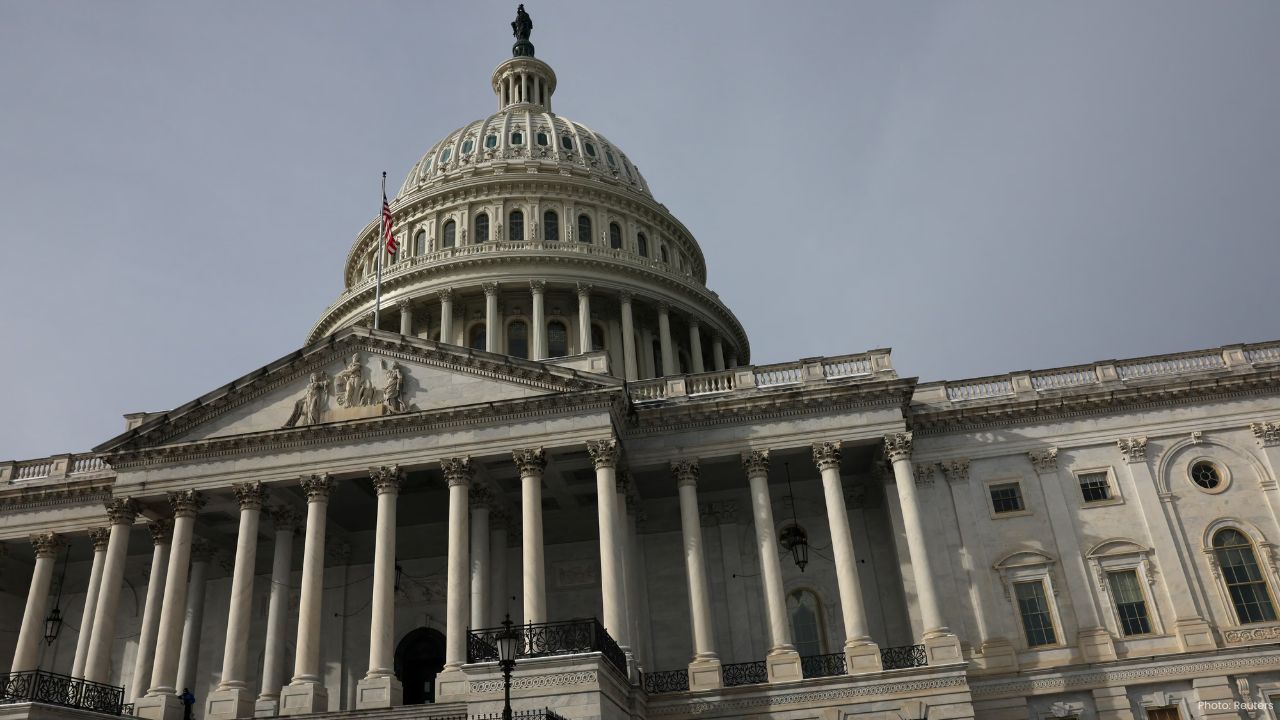
The threat of a U.S. government shutdown has resurfaced as lawmakers remain deadlocked over health care funding. While shutdown threats are not new in Washington, this time a resolution appears increasingly unlikely. Republican and Democratic leaders are at an impasse, with no signs of compromise as the deadline approaches.
Republicans Propose Short-Term Funding, Democrats Demand Health Care Reforms
Republicans have introduced a short-term funding measure to keep the government running through November 21. However, Democrats insist that any funding bill must address their priorities in health care. Their demands include reversing Medicaid cuts enacted under President Donald Trump's “mega-bill” passed this summer and extending tax credits that help millions of Americans afford coverage through the Affordable Care Act marketplaces.
Republican leaders have labeled these demands a “non-starter,” deepening the stalemate. Congressional calendars indicate that the House is unlikely to be in session before a shutdown occurs.
How a Government Shutdown Works
When federal funding lapses, the law mandates that agencies cease non-essential operations. Employees classified as "non-excepted" are furloughed, while “excepted” personnel—those critical to life and property—continue to work but do not receive pay until funding is restored.
During the 35-day partial shutdown in 2018–2019, approximately 340,000 of 800,000 affected federal employees were furloughed. Excepted personnel, including FBI investigators, CIA officers, air traffic controllers, and military personnel, remained on duty. Programs funded through mandatory spending, such as Social Security and Medicare, continued without interruption. Veterans’ health care and benefits, including burials at national cemeteries, were also maintained.
Financial Impact on Federal Workers
Though furloughed employees are eventually compensated retroactively—following a 2019 law—many may experience temporary financial hardship. Service members also receive back pay once operations resume, but disruptions in regular paychecks can place a strain on families dependent on timely income.
Unlike most federal agencies, the U.S. Postal Service remains unaffected during a shutdown, as it operates independently and is funded through its own revenue streams rather than taxpayer dollars.
Agencies Prepare Shutdown Plans
Each federal agency is required to draft a shutdown plan outlining which employees remain on duty and which are furloughed. Past plans under the Biden administration offer guidance on how operations may continue. For example:
-
Department of Education: Delays beyond a week would disrupt cash flow to schools, colleges, and vocational programs dependent on discretionary funding.
-
National Park Service: Most accessible park areas, roads, trails, and campgrounds may remain physically open, but staffing will be limited.
-
Transportation: Hiring and training of air traffic controllers, routine security checks, and performance analysis would be paused.
-
Smithsonian Institution: Museums, including the National Zoo and Conservation Biology Institute, would be closed to the public.
-
Food and Drug Administration (FDA): Food safety inspections and animal health work would be limited to emergency responses, while longer-term initiatives would halt.
White House Threatens Aggressive Measures
In a notable departure from prior shutdown protocols, the White House Office of Management and Budget (OMB) has signaled that federal employees in non-prioritized programs could face permanent layoffs. An OMB memo instructed agencies to issue reduction-in-force notices for programs lacking funding from the Trump administration’s summer legislation. This approach, which could eliminate positions permanently, marks a more severe step than the typical furlough process.
Past Precedents and Agency Flexibility
Historical shutdowns demonstrate that administrations often exercise discretion in prioritizing services. The Trump administration’s previous shutdown involved selective office reopenings, sometimes straining legal limits to mitigate operational disruptions. Agency-specific shutdown plans, previously available on the Office of Management and Budget website, provide detailed guidance on managing critical operations during funding lapses.
As the deadline for government funding nears, the risk of a shutdown looms large, fueled by unresolved disagreements over health care funding. Federal agencies are preparing for potential disruptions that could affect hundreds of thousands of workers and essential public services. Lawmakers face mounting pressure to negotiate a resolution to avoid financial and operational chaos.