The United States' response to the latest Ebola outbreak has renewed concerns among public health experts, who say several important lessons from the COVID-19 pandemic have not been fully applied. Specialists warn that weaknesses in preparedness, communication and international coordination remain major challenges in responding to infectious disease threats.
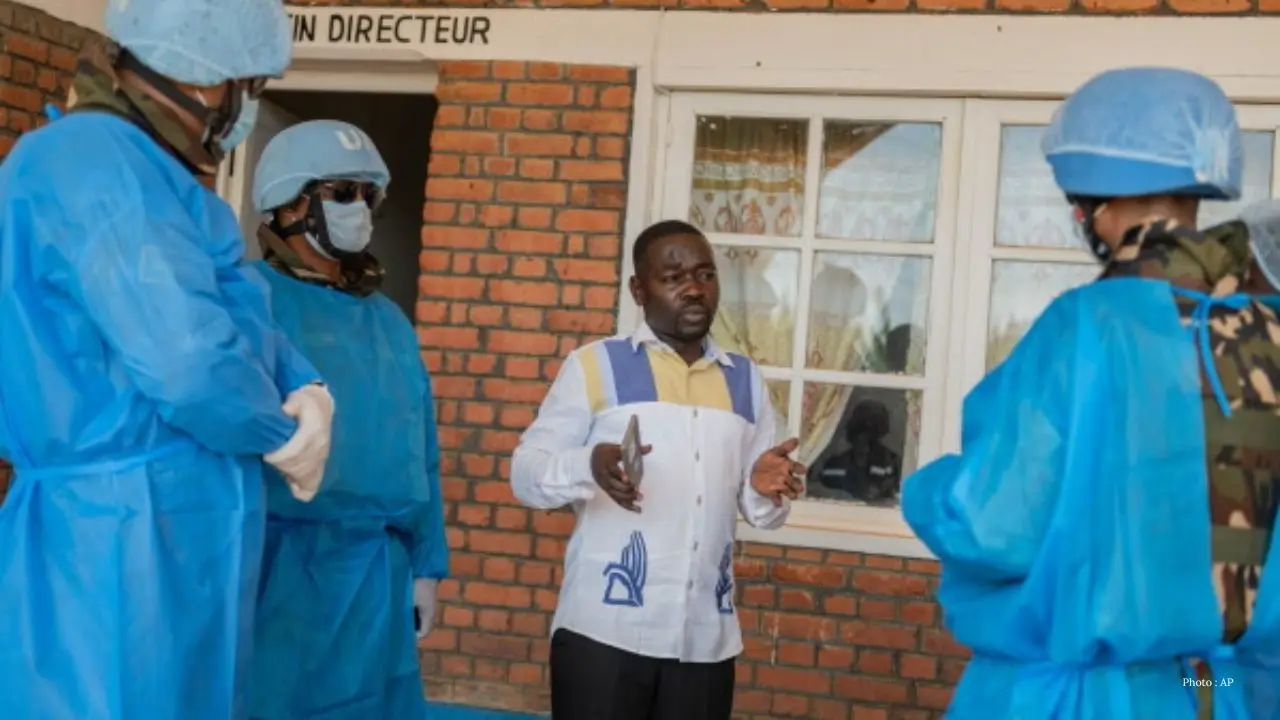
As health authorities monitor the spread of Ebola and support containment efforts, experts have pointed to familiar problems that were also highlighted during the COVID-19 crisis. These include delays in deploying resources, limited public awareness, and difficulties in maintaining strong surveillance systems.
Public health specialists say the COVID-19 pandemic demonstrated the importance of acting quickly, strengthening testing capacity and ensuring clear communication with the public. However, concerns have emerged that many of these measures have not been consistently maintained since the end of the global coronavirus emergency.
Ebola is a severe viral disease that can cause fever, bleeding and organ failure. Although it spreads differently from COVID-19 and is generally less contagious, it remains highly dangerous and requires rapid detection and isolation to prevent wider outbreaks. Health experts stress that strong surveillance and early diagnosis are essential to controlling the disease.
The recent outbreak has highlighted concerns about the readiness of healthcare systems to deal with new public health emergencies. Researchers and medical professionals say investments made during the COVID-19 pandemic should have created stronger systems capable of responding quickly to future outbreaks.
One of the major concerns raised by experts is the decline in public health funding and preparedness efforts following the end of the COVID-19 emergency. Some specialists argue that attention shifted away from infectious disease planning, leaving gaps in emergency response capabilities.
Another issue involves communication with the public. During COVID-19, misinformation and conflicting messages often created confusion. Health experts say transparent and consistent information remains critical for building trust and encouraging people to follow public health guidance during disease outbreaks.
International cooperation has also been identified as a key area requiring improvement. The COVID-19 pandemic showed that disease outbreaks can quickly become global challenges. Experts say countries must continue sharing information, medical resources and scientific expertise to contain threats before they spread more widely.
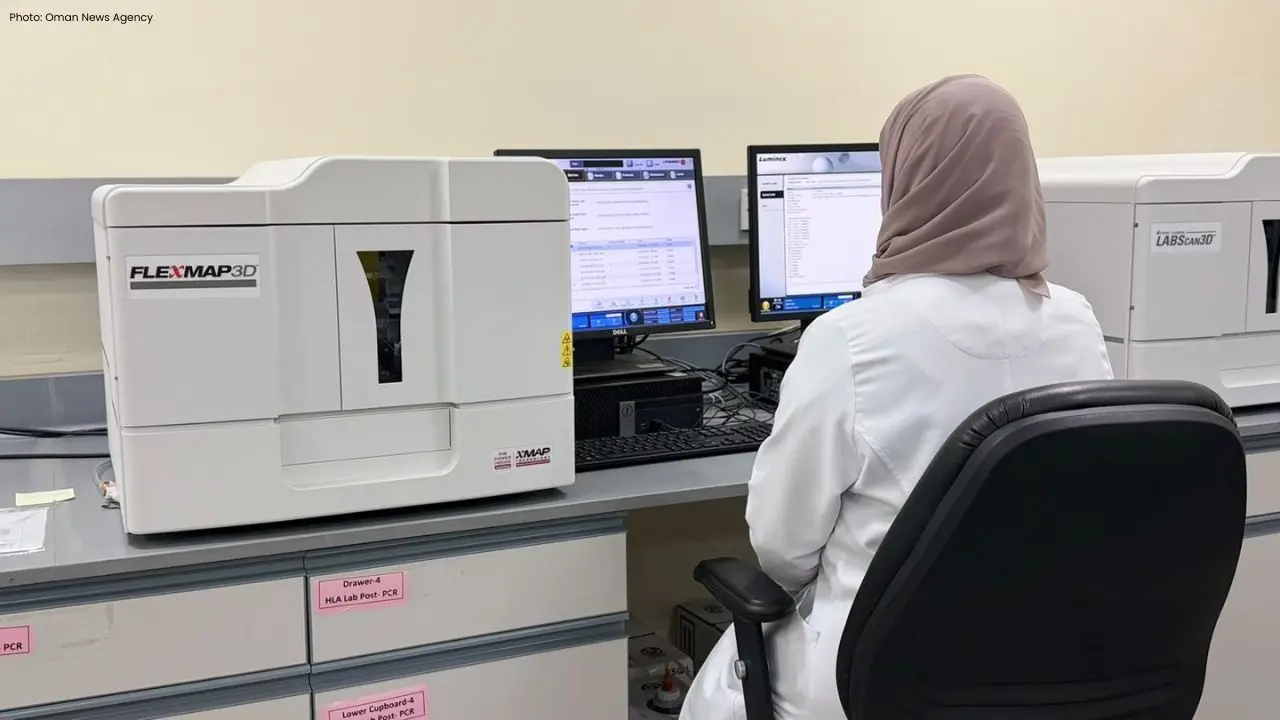
Diagnostic tools and early detection systems have become increasingly important in the response to Ebola. Public health agencies and international organizations are working to identify cases quickly and monitor possible transmission chains. Experts say these efforts can significantly reduce the risk of larger outbreaks.
Medical researchers also emphasize the importance of maintaining trained healthcare workers and emergency response teams. Many countries expanded these capacities during the COVID-19 pandemic, but some programs have since been reduced. Specialists warn that scaling back preparedness measures could leave health systems vulnerable to future crises.
While the current Ebola outbreak remains far smaller than the COVID-19 pandemic, experts say it serves as an important reminder that infectious diseases continue to pose significant risks. They argue that governments should continue investing in surveillance systems, medical research and emergency planning rather than waiting until the next major crisis emerges.
Health officials are continuing to monitor the outbreak and strengthen response efforts. Experts say the experience with COVID-19 provided valuable lessons, but the latest Ebola response suggests that maintaining preparedness remains an ongoing challenge. Continued investment and international cooperation will be essential to improving responses to future public health emergencies.
Stay connected with us for all the latest major updates.