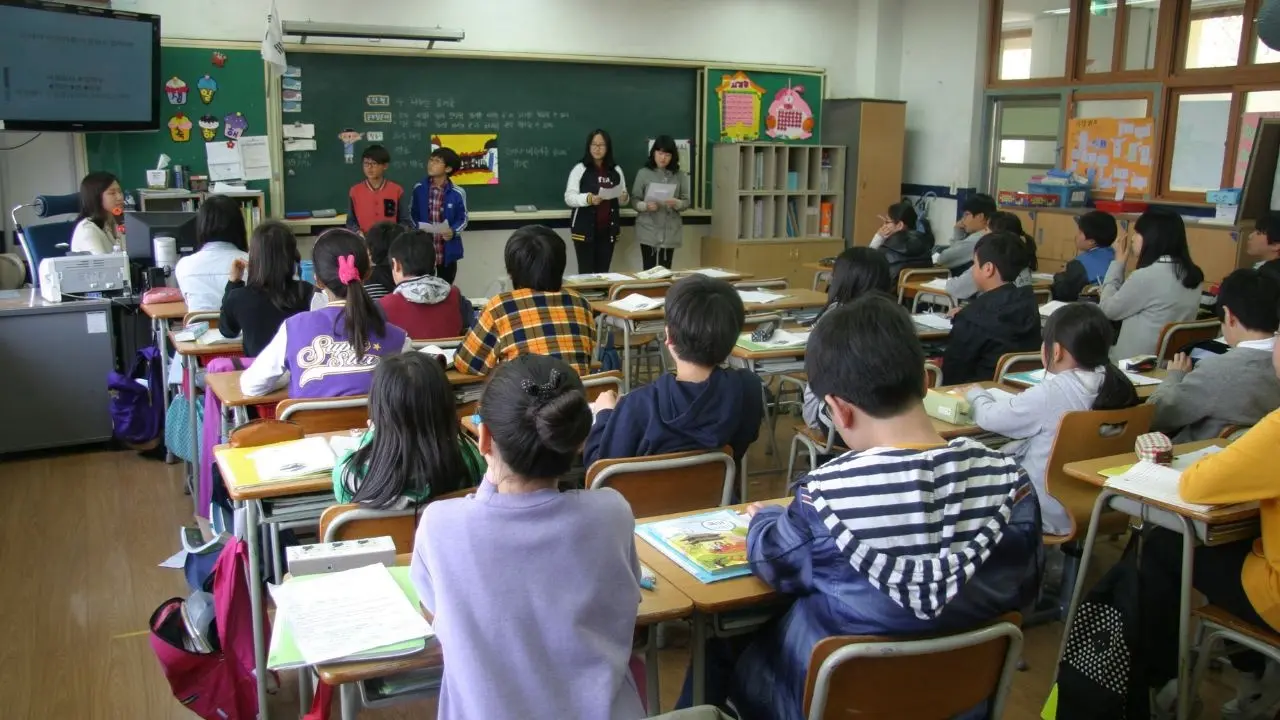
Malaysia’s education framework beautifully represents the nation's multicultural identity through a variety of educational pathways that thrive throughout the country. The spectrum ranges from national and vernacular schools to religious, private, and international institutions, reflecting decades of evolution to cater to cultural, linguistic, religious, and academic aspirations.
At the forefront is the national school system, the largest among educational streams under the Ministry of Education. These institutions primarily use Bahasa Malaysia for instruction, adhering to the national curriculum to prepare students for key examinations like SPM and STPM. Government-funded schools also encompass boarding facilities, science colleges, vocational institutions, and religious secondary schools to support varied academic pursuits.
Vernacular schools play a pivotal role in sustaining language and cultural identities within Malaysia’s Chinese and Indian communities. Chinese primary schools operate in Mandarin, while Tamil institutions conduct lessons mainly in Tamil, all aligning with Malaysia’s national syllabus and recognized by the national educational framework.
Religious education remains a vital part of Malaysian culture through institutions like pondok and tahfiz. Initially focused on Islamic teachings and Quranic studies, many modern religious schools now integrate mainstream academic subjects such as science, mathematics, and English, some even preparing students for national examinations to ease their entrance into universities and professional careers.
The Chinese independent school system stands out, following a unique syllabus and leading students towards the Unified Examination Certificate (UEC). These institutions primarily use Mandarin and are recognized by overseas and private universities; many students additionally take the SPM examination for broader opportunities within Malaysia’s educational landscape.
In recent years, private and international schools have surged in popularity with families seeking English-medium education, smaller class sizes, and internationally recognized qualifications. International institutions offer various programs like IGCSE, International Baccalaureate, and syllabuses from American, Australian, and Canadian educational systems, catering to both expatriate families and local students aiming for global university pathways.
Additionally, Malaysia is experiencing a growing interest in alternative education models such as homeschooling, Montessori, and Waldorf education. These approaches emphasize flexible, student-centered learning experiences rather than traditional exam-oriented systems, with many students still achieving recognized qualifications through private examinations.
Experts note that Malaysia’s diverse educational streams coexist because they mirror the country's historical evolution, religious plurality, multilingual society, and changing global ambitions. Although discussions around education reform and national unity persist, Malaysia’s education system remains one of the most distinctive and diverse in Southeast Asia.