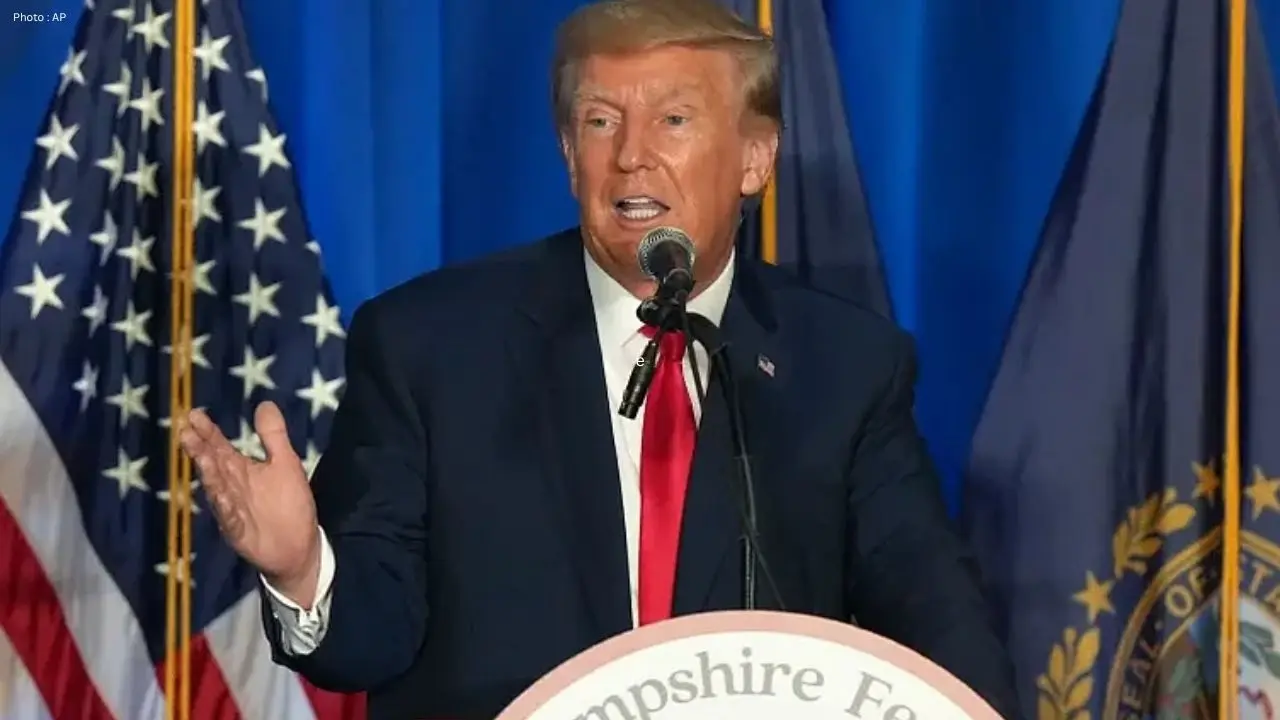
U.S. President Donald Trump is reviewing a new Iranian peace proposal as tensions continue to rise around the Strait of Hormuz, one of the world’s most important oil shipping routes. The latest diplomatic effort comes during a fragile ceasefire between the United States and Iran after months of military escalation and growing instability across the Middle East.
According to multiple reports, Iran recently submitted a 14-point proposal through Pakistani mediators in an attempt to reduce tensions and restart negotiations with Washington. The proposal reportedly includes demands related to sanctions relief, reduced military activity in the Gulf region, reopening trade routes, and restoring stability in the Strait of Hormuz.
However, President Trump has expressed doubts about whether the proposal will be acceptable to the United States. Speaking to reporters, Trump said he would review the plan carefully but added that he “can’t imagine it would be acceptable” in its current form. He also warned that military action could return if Iran refuses to cooperate or threatens international shipping.
The Strait of Hormuz has become the center of global concern because nearly 20 percent of the world’s oil supply passes through the narrow waterway every day. Any disruption in the area immediately affects global energy markets, shipping operations, and fuel prices worldwide.
The latest tensions increased further after Trump announced a new American operation called “Project Freedom,” which aims to guide stranded commercial ships safely through the Strait of Hormuz. Trump described the move as a humanitarian effort to assist countries whose vessels remain trapped because of the ongoing conflict and security threats in the region.
The U.S. Central Command reportedly plans to support the operation using guided-missile destroyers, aircraft, surveillance systems, and thousands of military personnel. However, American officials have not fully explained how the operation will function or how long it could continue.
Iran quickly reacted to the American announcement by warning the United States against entering the Strait of Hormuz without coordination. Iranian military officials stated that the security of the strait “is in our hands” and warned that any unauthorized foreign military activity could be considered a violation of the ceasefire.
At the same time, maritime security concerns have continued to grow. A cargo ship near the Strait of Hormuz recently reported being attacked by unknown projectiles shortly after Trump announced the new shipping mission. The United Kingdom Maritime Trade Operations agency confirmed the incident and advised vessels to move with extreme caution because of possible mines and military threats in nearby waters.
Reports suggest Iran’s proposal focuses first on reducing military tensions before moving toward broader discussions about Tehran’s nuclear program. This remains one of the biggest disagreements between both countries. Washington insists that nuclear negotiations must happen immediately, while Iran reportedly wants to delay those talks until after maritime and military issues are resolved.
The current crisis began after military strikes earlier this year triggered a wider confrontation between the United States, Israel, and Iran. Iran later tightened control around the Strait of Hormuz, causing major disruptions to global shipping and energy supplies. Several countries have since called for diplomatic solutions to avoid a larger regional war.
Oil markets have remained highly sensitive throughout the crisis. Crude oil prices recently stayed above $100 per barrel as traders reacted to fears of supply disruptions and uncertainty surrounding negotiations between Washington and Tehran. Analysts say any new military escalation near the Strait of Hormuz could create serious economic pressure on global markets.
International observers are closely monitoring whether diplomacy can succeed in easing tensions. Although both sides continue indirect negotiations, strong disagreements over sanctions, military operations, and Iran’s nuclear activities remain major obstacles to a final agreement.