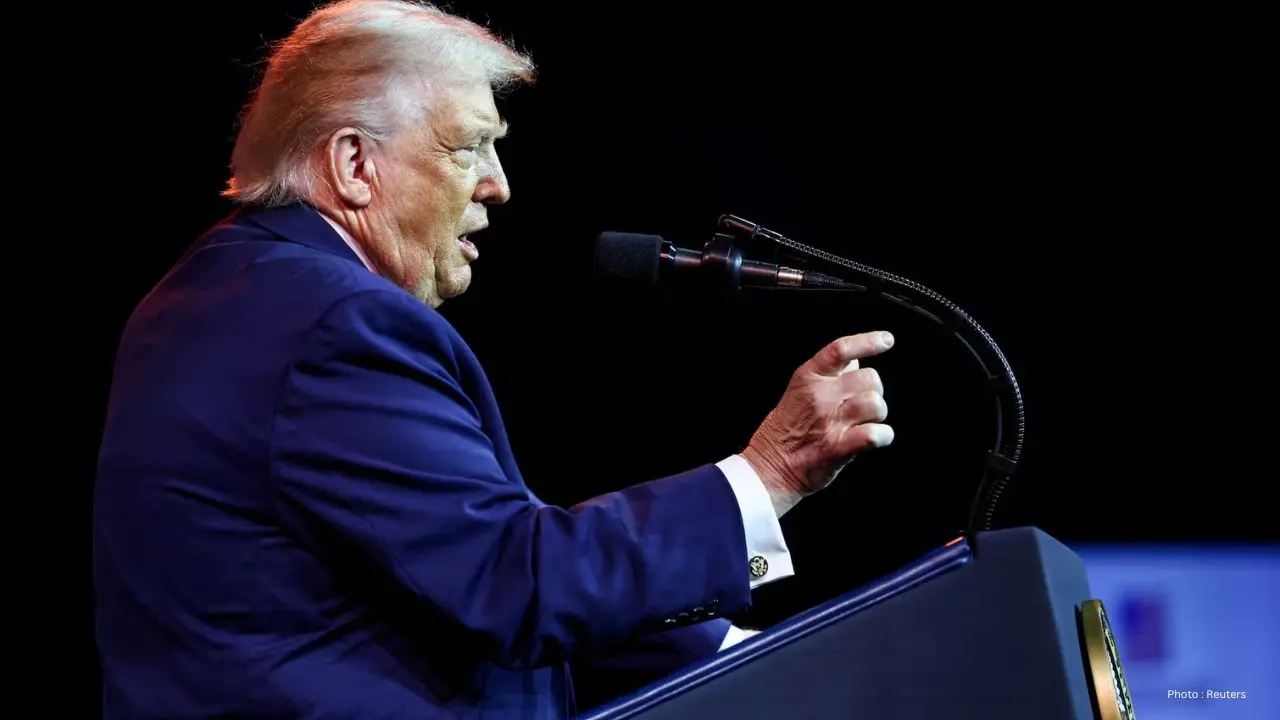
A new proposal by Donald J. Trump to increase the United States defense budget to $1.5 trillion has sparked strong political debate. The plan, if approved, would mark the largest military budget in U.S. history, even when adjusted for inflation.
The proposal represents a significant increase compared to previous budgets, including those under Joe Biden, where defense spending had approached the $1 trillion level. Analysts say the sudden jump of nearly 50 percent in a single year has raised questions about both necessity and feasibility.
A major portion of the proposed budget is expected to go toward weapons procurement and military technology. Spending on weapons could rise sharply, along with increased funding for research and development, including areas such as advanced systems, satellites, and artificial intelligence. However, experts argue that much of the funding is still focused on traditional military equipment like warships and fighter aircraft.
Critics have also pointed out practical challenges. Reports suggest that the United States may currently lack the industrial capacity and workforce needed to produce such large volumes of military equipment. Shipbuilding, in particular, faces shortages of skilled labour and supply chain limitations, which could delay or limit the use of allocated funds.
Another major concern is the financial impact of the plan. To support higher defense spending, the proposal includes cuts to domestic programs such as education, housing, healthcare, and agriculture. This trade-off has raised political risks, especially in an election period, as voters may react negatively to reduced social spending.
Some lawmakers, including members of the Republican Party, have begun to express concerns about the growing federal deficit. Even with proposed spending cuts, the large increase in defense expenditure could add further pressure on government finances.
The debate also extends to military strategy. Analysts question whether the types of weapons being prioritized are suitable for modern conflicts, especially with changing warfare technologies like drones and cyber systems. There are concerns that high-cost systems may not always provide effective results compared to cheaper alternatives used in recent conflicts.
Supporters of the plan argue that increased defense spending is necessary in a time of global uncertainty and rising geopolitical tensions. However, critics warn that without clear justification and planning, the proposal could create both economic strain and political challenges.
Overall, the proposed defense budget has become a key topic in U.S. politics, highlighting divisions over national security priorities, government spending, and long-term strategic planning.