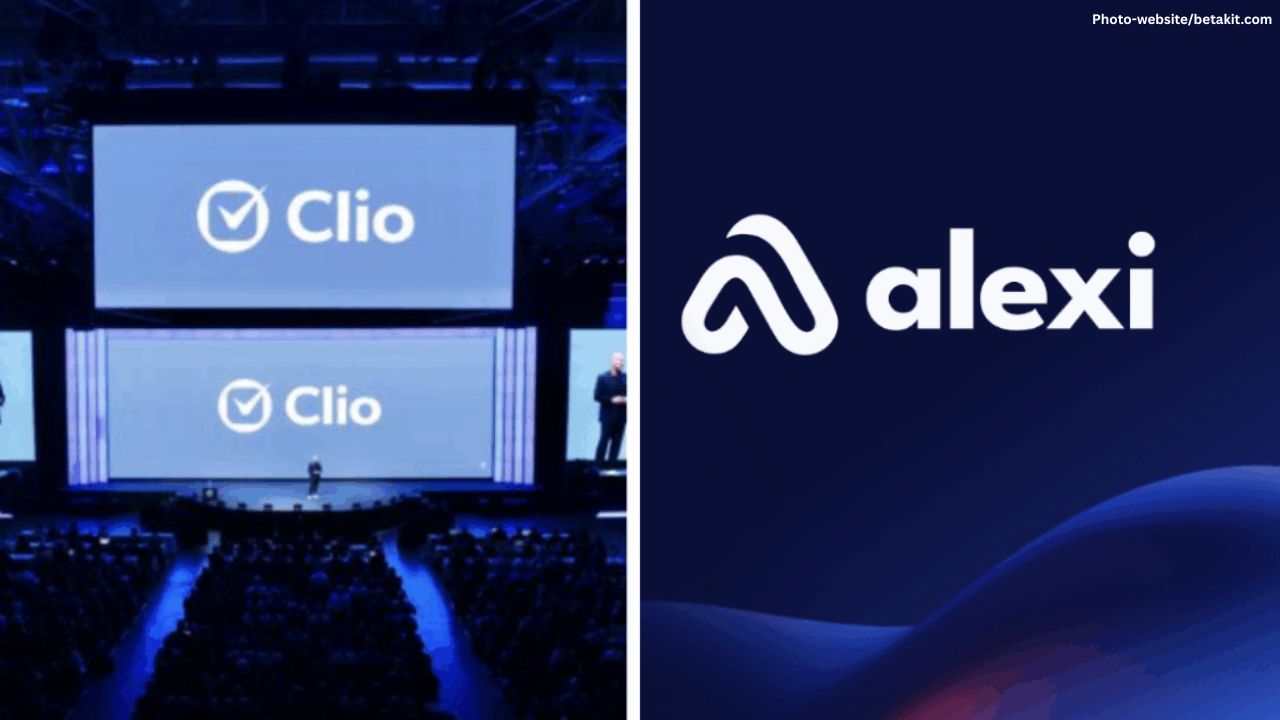
Toronto-based legaltech startup Alexi has found itself at the centre of a growing legal dispute with Canadian legal software giant Clio over access to and use of a valuable legal research database, sparking concerns about data licensing in the age of generative AI. Clio’s Fastcase unit, which was acquired along with Spain-based vLex in a deal reportedly worth about US $1 billion, alleges that Alexi breached the terms of a data-licensing agreement signed in 2021 by using Fastcase’s proprietary database to build a commercial AI-powered legal research platform — a move Fastcase claims violates the agreement’s restrictions on commercial use and competition.
Fastcase’s lawsuit, filed in Washington DC in late November 2025, argues that the licence permitted Alexi to use the database only for “internal research purposes” and not to publish, distribute or support a competing product, accusing Alexi of misappropriating intellectual property and trade secrets to accelerate its platform’s development. Alexi CEO Mark Doble has called the lawsuit’s claims “baseless,” asserting that the startup always operated within the scope of the agreement and that the allegations are an attempt to end the licence prematurely.
Alexi’s product is built around artificial intelligence tools that help lawyers perform legal research, draft memos and identify relevant case law, aimed at accelerating tasks that traditionally require extensive manual search and analysis. The dispute highlights how AI startups and established data holders are clashing over rights to foundational databases that are critical for training and powering generative AI models — a challenge that many legal and technology experts say underscores the importance of clear licensing and intellectual property arrangements in the AI era.
Clio, founded in 2007 and headquartered in Burnaby, British Columbia, is one of Canada’s largest legaltech companies, offering cloud-based software for law firms and legal professionals. Its acquisition of vLex and Fastcase’s database gave it access to one of the most comprehensive legal research libraries, data that Clio and Fastcase say they must protect under strict contractual terms. Alexi, on the other hand, has argued that its use of the data did not breach the agreement and that the legal claims misinterpret the scope of the licence.
The case is likely to draw industry attention as it may set precedents on how legal datasets can be used in commercial AI applications and the enforceability of licensing restrictions when applied to technologies that were not widely contemplated when agreements were drafted.