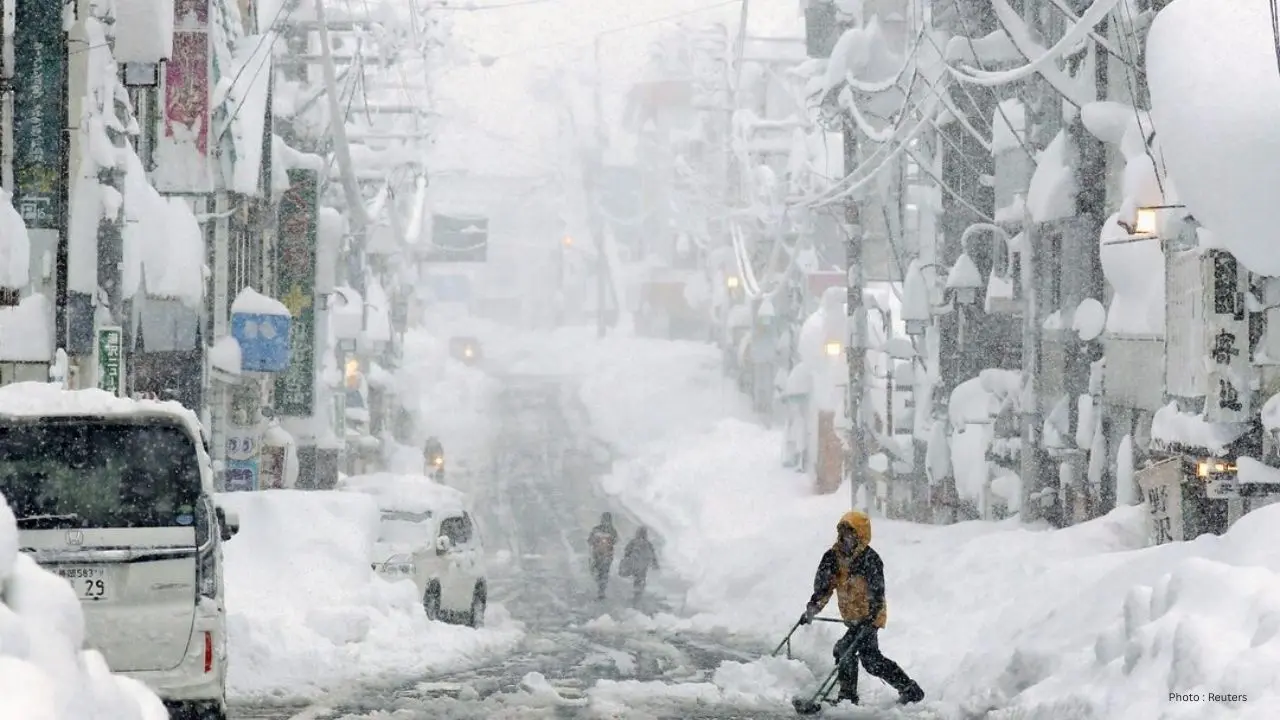
A powerful spring snowstorm continues to impact parts of Saskatchewan, with heavy snowfall expected to persist through the weekend before gradually weakening. The system, which began on Thursday, has brought significant snowfall across the province, especially in northern and north-central regions.
According to Environment and Climate Change Canada, the heaviest snow is falling in northern communities such as La Ronge, Cumberland House, and Pelican Narrows, where severe weather warnings have been issued. These areas are expected to receive the highest snowfall totals, with some locations forecast to see between 24 and 27 centimetres.
Meteorologist Danielle Desjardins said the northern part of the province continues to be hit the hardest. Other regions, including Prince Albert and Melfort, are also under weather alerts, though conditions there are slightly less severe.
In major cities like Saskatoon and Regina, snowfall totals have been lower, ranging between 5 to 10 centimetres so far. However, both cities are expected to receive additional snowfall before the storm weakens later in the day. Forecasters say conditions should begin to improve by Saturday, with lighter flurries replacing heavy snowfall.
The storm has disrupted daily life in several communities. Schools in some northern areas have cancelled bus services due to unsafe road conditions, while local roads remain covered in snow, making travel difficult. Authorities have warned of reduced visibility caused by falling snow and strong winds, increasing the risk for drivers.
Residents have reported significant accumulation over a short period, with some areas receiving up to a foot of snow in a single day. Local services have been working continuously to clear roads and assist people whose vehicles have become stuck. Despite these challenges, many residents are accustomed to sudden weather changes, even in late spring.
The storm is also affecting regions already dealing with flooding, adding to existing concerns. Meteorologists noted that the system is particularly strong because it has drawn moisture from the Gulf of Mexico, contributing to its intensity.
Travel conditions remain poor in northern and central parts of the province, and officials are advising caution. Roads south of the Yellowhead Highway are expected to be in better condition, but drivers are still urged to stay alert.
Looking ahead, weather experts predict that the storm will gradually move out by the end of the weekend. After that, Saskatchewan is expected to experience a few days of calmer and drier weather, offering some relief to affected communities.