Province Takes Action to Improve Dangerous Highway Intersection East of Edmonton
The Government of Alberta has announced plans to improve a hazardous highway intersection located east of Edmonton near the community of Mundare. This initiative follows a tragic fatal crash earlier this year that claimed the life of 17-year-old Annya Palsitt. This tragic event has shone a spotlight on ongoing safety concerns at this stretch of highway, prompting provincial authorities to prioritize significant upgrades. The proposed improvements aim to reduce the risk of future collisions and improve traffic flow and safety for all road users.
Background and Significance of the Intersection
The intersection in question connects Highway 15 and Range Road 234, serving as a vital route for commuters, commercial vehicles, and agricultural traffic moving through this part of Alberta. While it is a key connection point for local residents and industries, the intersection has been the site of multiple collisions over the past decade. The recent fatal incident involving a young local resident has galvanized public demand for action.
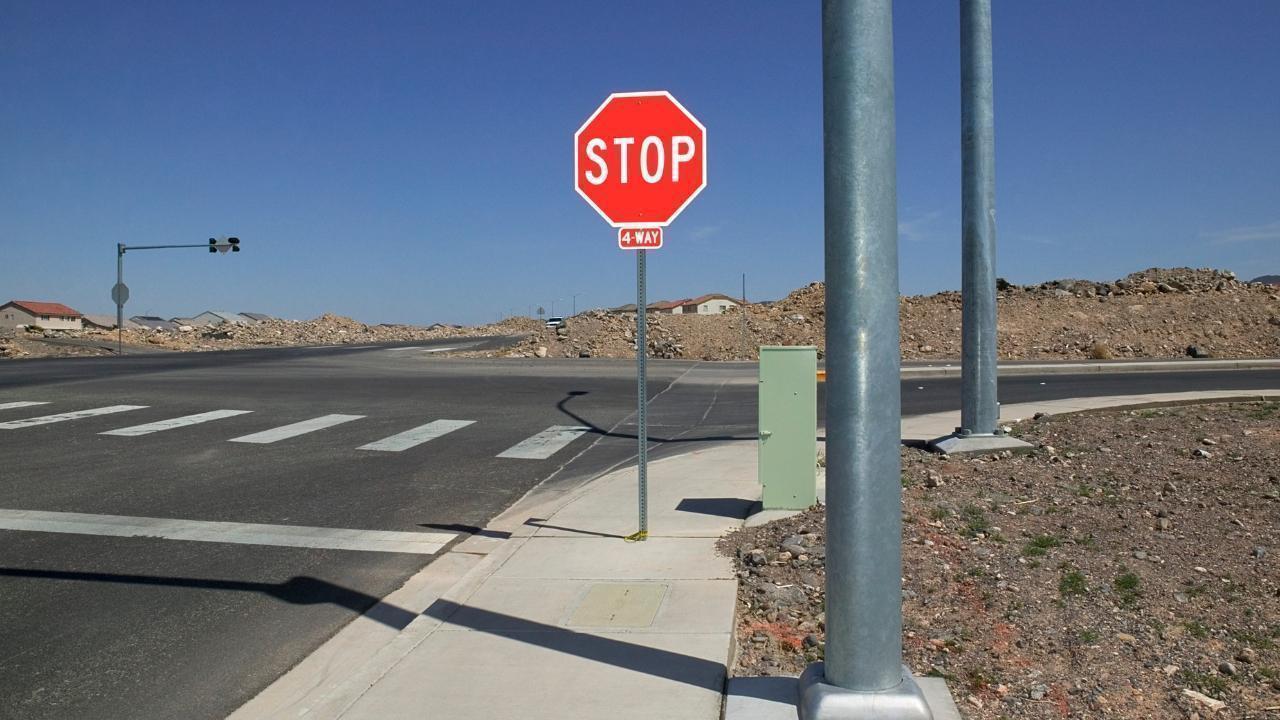
This stretch of highway is heavily traveled, with a mix of passenger vehicles and large trucks. The intersection’s existing layout and traffic control measures—primarily stop signs and two-way stop-controlled approaches—have long been criticized as inadequate given the volume and speed of vehicles passing through.
Details of the Fatal Crash and Its Aftermath
Earlier in 2025, a collision at the intersection resulted in the death of a 17-year-old driver. The young woman was traveling along the highway when her vehicle was struck by another vehicle entering the highway from Range Road 234. Investigations concluded that visibility issues and the design of the intersection contributed to the tragic outcome.
Following the crash, local leaders, families, and safety advocates called on the province to accelerate improvements. The incident also prompted a formal review of traffic accident data and engineering assessments to better understand the risks and develop effective solutions.
Planned Improvements and Construction Timeline
In response, Alberta’s transportation department announced a multi-phase project focused on upgrading the intersection to improve safety and traffic efficiency. Key elements of the proposed work include:
-
Construction of an Overpass or Interchange: A grade-separated interchange is being considered as the long-term solution. This would eliminate at-grade crossing conflicts by allowing uninterrupted flow on Highway 15 and safer entry and exit points from Range Road 234.
-
Temporary Safety Enhancements: Until a major overhaul can be completed, immediate steps such as improved signage, better road markings, upgraded lighting, and potentially adding turning lanes or signals are being planned.
-
Road Realignment and Shoulder Widening: Adjustments to the roadway geometry will improve sightlines and give drivers more space to maneuver safely.
-
Traffic Signal Installation: Depending on final engineering studies, installing traffic signals may be part of interim safety measures to control traffic flow during peak hours.
The project is still in its planning and design stages, with environmental assessments and stakeholder consultations ongoing. Construction timelines are projected to begin in 2026 for preliminary works, with full interchange construction expected to extend over several years.
Challenges in Designing Safe Rural Intersections
Rural highway intersections present unique challenges to engineers and planners. Unlike urban environments, where space is abundant and alternative routes plentiful, rural corridors must contend with:
-
High-Speed Traffic: Vehicles often travel at highway speeds, reducing reaction time and increasing stopping distances.
-
Mixed Vehicle Types: Heavy trucks, farm equipment, and passenger cars share the road, complicating intersection design.
-
Limited Visibility: Topographical features like hills, curves, and vegetation can obstruct sightlines.
-
Environmental Constraints: Nearby wetlands, agricultural land, and sensitive habitats require careful planning to minimize ecological impact.
-
Budget Constraints: Rural infrastructure upgrades often compete for limited funding, necessitating phased or incremental improvements.
Balancing these factors requires innovative engineering, public engagement, and flexible construction planning to ensure that safety is maximized without excessive disruption to traffic or the local economy.
Community and Stakeholder Engagement
Public involvement has been central to shaping the project. Following the fatal crash, the provincial government initiated consultations with local residents, Indigenous communities, agricultural groups, emergency services, and municipal leaders. These dialogues have highlighted key priorities, such as:
-
Maintaining access for local farms and businesses
-
Minimizing construction disruption to daily commutes and freight traffic
-
Preserving natural and cultural heritage sites
-
Ensuring that design solutions reflect future traffic growth and evolving transportation needs
Community feedback has helped inform the selection of options and timing for implementation phases.
The Role of Data and Technology in Intersection Safety
Modern transportation engineering relies heavily on data analytics and technology to assess and improve road safety. For this project:
-
Historical crash data was analyzed to identify common collision types and contributing factors. This data helped prioritize design features that mitigate risks, such as improved sightlines and physical barriers.
-
Traffic volume studies were conducted at different times of day and year to model peak loads and plan capacity needs.
-
Geospatial technology and 3D modeling tools are being used to visualize proposed changes and assess environmental impact.
-
Future plans include installing smart traffic control systems that can adapt to real-time conditions, improving flow and alerting drivers to hazards.
These technologies provide evidence-based approaches to ensure that the final design is both effective and sustainable.
Broader Context: Highway Safety in Alberta
The intersection improvement project is part of a larger provincial strategy to enhance road safety on Alberta’s highway network. Over the past decade, the province has invested in:
-
Rebuilding dangerous intersections
-
Installing rumble strips, guardrails, and improved signage
-
Upgrading rural highways to divided lanes or adding passing lanes
-
Promoting driver awareness campaigns focusing on speeding, distracted driving, and impaired driving
This project aligns with the Alberta government’s commitment to reduce traffic fatalities and serious injuries, particularly on rural highways which have disproportionately high crash rates.
Economic and Social Impacts
Highway safety improvements have wide-ranging impacts beyond accident prevention. Safer roads:
-
Enhance the reliability and efficiency of goods movement, critical for Alberta’s resource and agricultural sectors.
-
Reduce emergency response costs and healthcare burdens related to traffic injuries.
-
Improve quality of life for residents by reducing travel stress and fostering community connections.
-
Support local tourism and economic development by making regional travel safer and more accessible.
The investment in this intersection signals recognition of these broad benefits, reinforcing the importance of infrastructure in regional prosperity.
Future-Proofing Infrastructure
With traffic volumes expected to rise due to population growth and economic activity in the Edmonton area and beyond, the province aims to future-proof this corridor. The planned interchange and other improvements will be designed to accommodate projected increases in vehicle counts over the coming decades.
This long-term approach involves:
-
Designing structures with capacity for future expansions
-
Using durable materials to reduce maintenance needs
-
Incorporating multimodal features where feasible, such as pedestrian and cycling pathways
By anticipating future demands, Alberta seeks to avoid repeated costly overhauls and ensure continuous safety and mobility.
Safety Education and Complementary Measures
Infrastructure improvements are most effective when paired with education and enforcement efforts. The province, in partnership with local law enforcement and community groups, plans to:
-
Launch public awareness campaigns about safe driving practices at rural intersections
-
Increase speed enforcement and visibility in the affected corridor
-
Encourage reporting of near-misses or hazardous conditions through community hotlines
-
Collaborate with schools to educate young drivers on rural road safety
These efforts help create a culture of safety that complements physical upgrades.
Monitoring and Evaluation
After construction completion, Alberta will implement monitoring programs to evaluate the effectiveness of the improvements. This includes:
-
Collecting post-construction crash data to compare with baseline statistics
-
Conducting traffic flow and congestion analyses
-
Gathering user feedback through surveys and public meetings
-
Making adjustments as necessary to optimize safety and efficiency
Continuous evaluation ensures accountability and informs future projects.
Committing to Safer Roads for All Albertans
The tragic death at this east Edmonton highway intersection has prompted a critical examination of road safety infrastructure in the region. Alberta’s commitment to upgrading this intersection demonstrates a proactive approach to saving lives, supporting economic vitality, and fostering safer communities.
While the work ahead involves significant construction and temporary inconvenience, the long-term benefits of reduced collisions, improved traffic flow, and enhanced public confidence in roadways will far outweigh these challenges.
This project serves as a model for how careful planning, community involvement, data-driven decision-making, and sustained investment can transform high-risk corridors into safe, reliable, and efficient transportation links for all users.