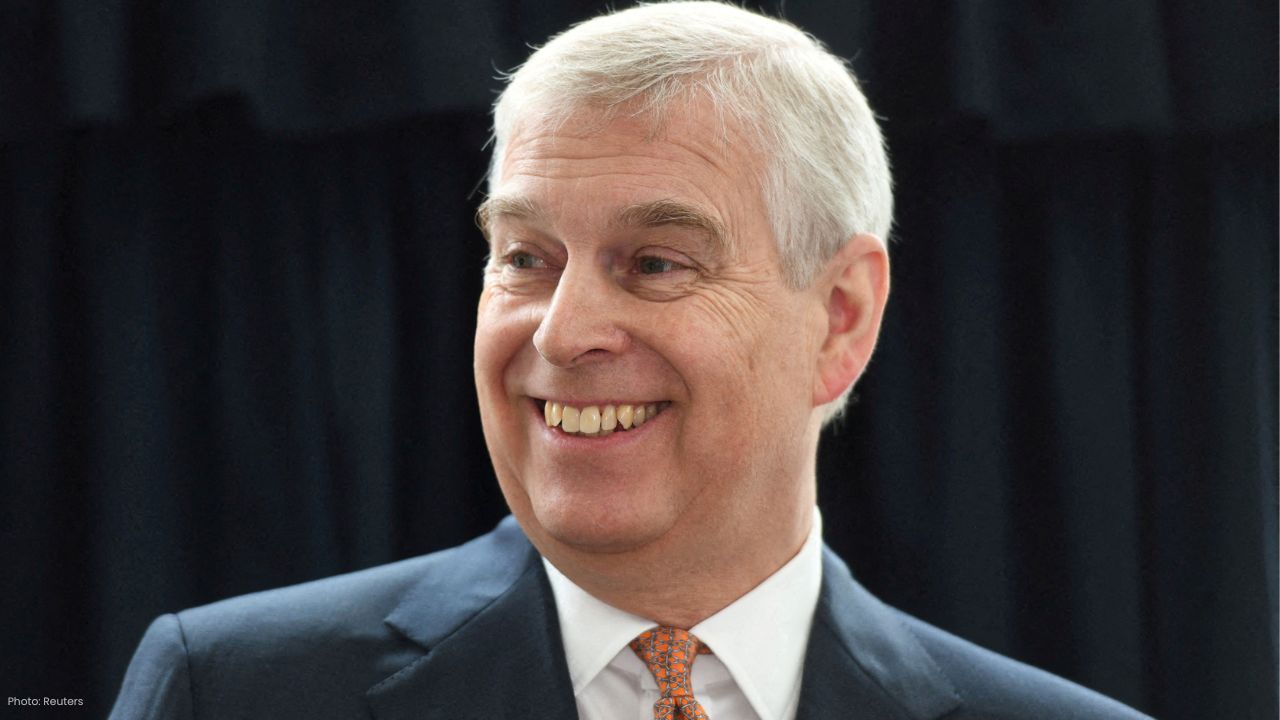
Prince Andrew, Duke of York, announced Friday that he “will no longer use” his royal titles or honours, amid a growing wave of allegations and public scrutiny. The decision comes years after he stepped back from official royal duties following a disastrous 2019 interview about his association with the late convicted sex offender Jeffrey Epstein.
The Duke of York reached a legal settlement in a high-profile lawsuit brought by Virginia Giuffre, who accused him of sexual abuse. Excerpts from Giuffre’s posthumous memoir portray Andrew as “entitled — as if he believed having sex with me was his birthright.” Additionally, previously reported emails indicate Andrew told Epstein, “we are in this together,” after a photo surfaced in 2011 showing the prince with his arm around a teenage Giuffre.
Buckingham Palace Statement
In a statement released late Friday, Buckingham Palace said Andrew had consulted with his brother, King Charles III, and immediate family. The statement read, “We have concluded the continued accusations about me distract from the work of His Majesty and the Royal Family.”
Andrew said he stands by his 2019 decision to step back from public life but now feels he must go a step further. “With His Majesty’s agreement, we feel I must now go a step further. I will therefore no longer use my title or the honours which have been conferred upon me. As I have said previously, I vigorously deny the accusations against me,” Andrew added.
Legal and Constitutional Perspectives
Craig Prescott, a constitutional law expert at Royal Holloway, University of London, described Andrew’s decision as “the neatest solution” to the ongoing controversy. Prescott explained that while Andrew technically retains his titles, choosing not to use them minimizes public association and avoids parliamentary intervention. “He remains a prince, which shows you can never really truly leave the Royal Family, but this is a big step,” he noted.
Prescott also highlighted the contrast between Andrew’s scandals and the charitable work of other royals, such as Queen Camilla’s advocacy against domestic violence and Sophie, Duchess of Edinburgh’s work addressing sexual violence in conflict zones.
Royal historian Justin Vovk observed that Andrew’s step was both surprising and inevitable. “With the Epstein files, and the new memoir, significantly dismantling Andrew’s presentation of events based on his now-infamous interview, it would only be a matter of time before either the Crown or the government would need to take some kind of action,” Vovk said.
Public Reaction and Criticism
Graham Smith, CEO of the anti-monarchy organization Republic, criticized the move, arguing that stripping Andrew of titles is insufficient. “The royals have been covering for and protecting Andrew for two decades. The public has a right to know who knew what and when,” Smith said. “This isn’t one rotten apple, it’s a rotten institution that circles the wagons and does as little as it can in response to serious scandal.”
Andrew will also not attend the Royal Family’s upcoming Christmas celebrations, Buckingham Palace confirmed.
Prince William’s Personal Engagements
Meanwhile, Prince William, Prince of Wales, has been seen engaging in deeply personal and public initiatives. In Cardiff, Wales, William spoke with Rhian Mannings about the impact of her husband’s suicide. The moment, captured in a short film released on World Mental Health Day, highlighted William’s commitment to mental health advocacy and suicide prevention, including the launch of a new Royal Foundation network.
In another recent appearance, William accompanied Canadian comedian Eugene Levy on a tour of Windsor Castle for Apple TV+’s “Reluctant Traveler” series. The informal, personal interactions—including a pub visit and casual conversations—showcase a more approachable and relatable side of the future king.
Justin Vovk interprets these public engagements as part of William’s broader strategy to shape the monarchy’s image under his eventual reign. “I think this is part of a broader agenda with him to start signalling what the monarchy is going to look like under him,” he said.