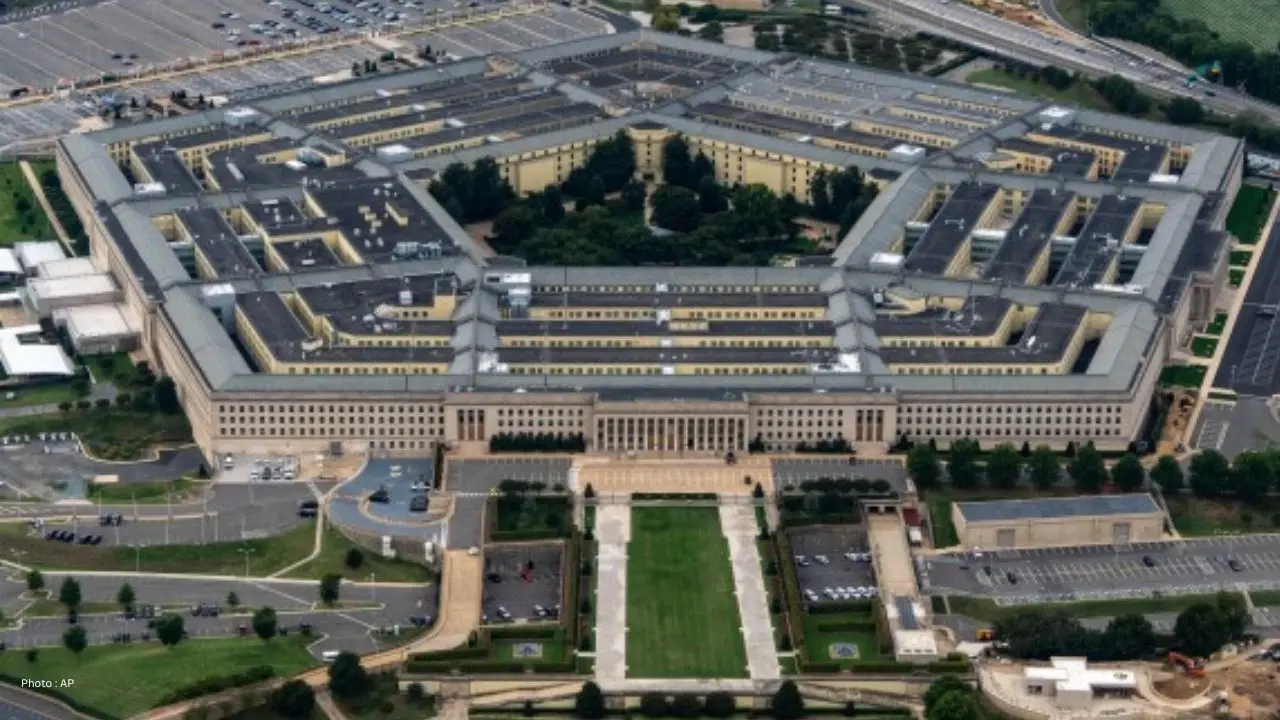
The Pentagon has revealed that the ongoing war between the United States and Iran has already cost American taxpayers nearly $25 billion, raising fresh political debate in Washington as fuel prices continue to rise across global markets. The financial estimate was shared during a congressional hearing where senior US defense officials defended the administration’s military strategy and spending plans.
US Defense Secretary Pete Hegseth appeared before the House Armed Services Committee alongside senior Pentagon officials to discuss the growing military costs linked to “Operation Epic Fury,” the ongoing US military campaign connected to Iran. During the hearing, Pentagon comptroller Jules Hurst III confirmed that around $25 billion has already been spent since the conflict began in late February 2026.
According to Pentagon officials, most of the spending has gone toward military munitions, missile systems, combat operations, maintenance work, and replacement of damaged equipment. Officials also stated that additional emergency funding may soon be requested from Congress after a full financial review of the conflict is completed.
The disclosure came as lawmakers questioned the long-term strategy of the war and its economic impact on American citizens. Democratic lawmakers strongly criticized the rising military expenses and argued that the conflict is increasing financial pressure on families already dealing with inflation and high fuel prices. Several lawmakers also raised concerns about whether the administration has a clear plan to end the conflict.
During the hearing, Hegseth defended the military operation and argued that the spending was necessary to stop Iran from developing nuclear weapons. He insisted that national security must remain a top priority despite criticism over the cost of the conflict. Hegseth also claimed that the administration believes strong military pressure is needed to force Iran back into serious negotiations.
At the same time, the war has created major instability in global energy markets. Oil prices have surged sharply in recent weeks because of tensions around the Strait of Hormuz, one of the world’s most important oil shipping routes. Global crude prices recently crossed $126 per barrel, while gasoline and diesel prices have also increased in several countries, including the United States.
Energy experts say the continuing conflict has disrupted oil transportation and increased shipping risks across the Middle East region. Insurance costs for oil tankers have risen significantly, while delays in fuel deliveries are adding more pressure on international supply chains. Analysts warn that if the conflict continues for several more months, fuel prices could increase even further and affect global inflation.
Reports also suggest that the real financial impact of the war could be much higher than the official Pentagon estimate. Some analysts believe the current $25 billion figure does not fully include the cost of rebuilding damaged US military bases, replacing aircraft systems, and long-term military deployments across the Gulf region.
The war has already become one of the biggest political and economic issues facing the Trump administration in 2026. While the White House continues defending its military actions, growing public concern over rising fuel prices, government spending, and the future of the conflict is expected to increase pressure on lawmakers in the coming months.