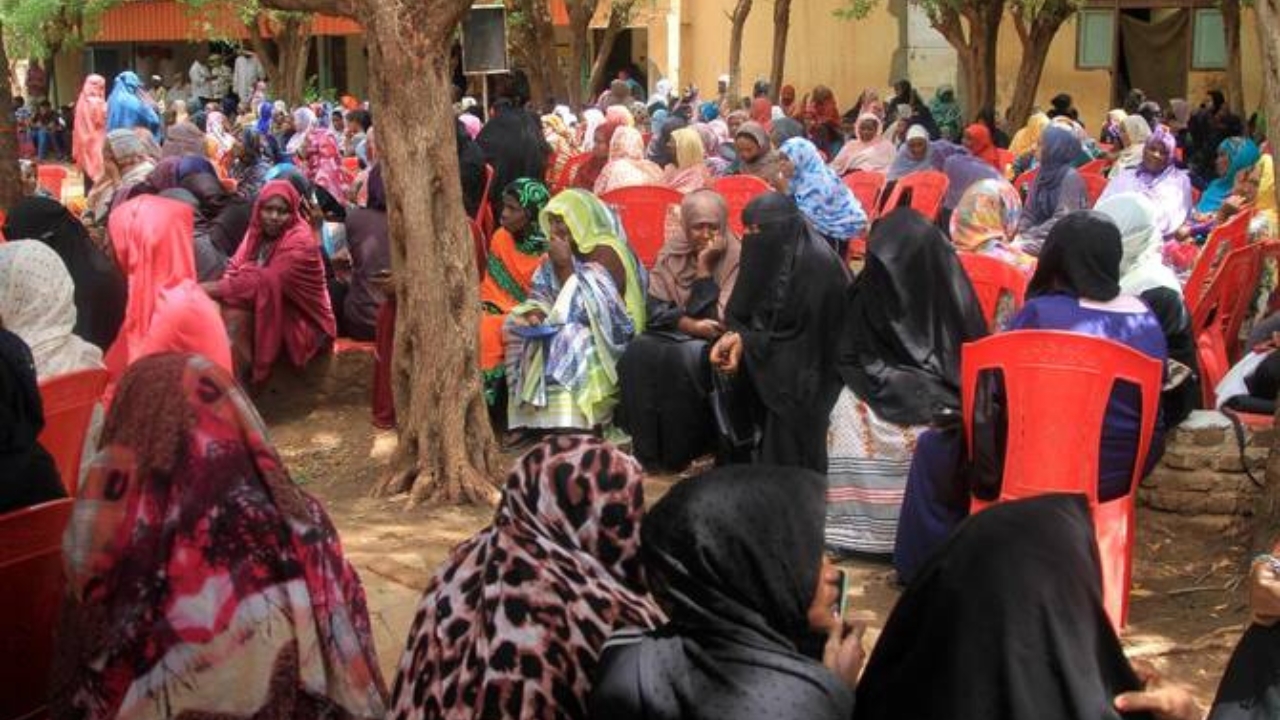
Photo:AFP
The recent paramilitary drone attack on a mosque in Sudan, which left more than 70 people dead, is a reminder of the horrific toll of war on innocent lives. A place of worship, meant to symbolize peace, community, and refuge, has now been turned into a graveyard. This tragedy is more than just another headline. It illustrates the deepening brutality of Sudan’s conflict, a war that has left millions displaced, countless families torn apart, and a nation on the edge of collapse.
A Mosque Under Fire
The drone strike struck during prayer time in Kassala state, near the Eritrean border. For many people inside, this space was not simply a mosque but a sanctuary where they sought safety and strength amid the chaos of war. To attack a religious site filled with worshippers, including children and families, is not only a crime against those people but also a blow against the values of humanity itself. The deliberate targeting of civilians in sacred places points to the reckless cruelty that has defined Sudan’s ongoing conflict.
Eyewitness reports describe scenes of confusion and anguish as parts of the mosque collapsed. Rescue teams struggled against the rubble, with local hospitals overwhelmed by injured survivors and lacking even the most basic resources like blood supplies and emergency equipment. Families who lost loved ones now face the painful reality of burying them together in mass funerals. For many, the trauma will last a lifetime.
The Rivalry Tearing Sudan Apart
At the center of this violence is a power struggle between the Sudanese Armed Forces (SAF) and the Rapid Support Forces (RSF), the paramilitary group believed to be behind the mosque strike. Since April 2023, their battle for dominance has destroyed Sudan. What began as a contest for political control has now spiraled into one of the world’s most terrifying humanitarian disasters. Both groups claim to fight for the nation, yet their war has brought only starvation, civilian deaths, and broken communities.
The use of drone warfare is particularly devastating. Unlike ground clashes, which are contained to specific areas, aerial strikes spread constant fear. Mosques, schools, markets, and homes are no longer safe. Civilians live under the shadow of drones, never knowing if the next strike will hit the place where their children play or where their families gather to pray.
Humanitarian Collapse
Beyond the immediate loss of life, the wider consequences of this violence are staggering. Millions have been displaced from their homes, forced to live in harsh conditions either inside Sudan or in neighboring countries already struggling with their own crises. Food shortages are spreading, with humanitarian agencies warning that famine looms over large parts of the country. Medical facilities are collapsing under pressure, unable to treat the flood of injured victims and starving children.
Aid groups have repeatedly called on both forces to allow humanitarian corridors, but their pleas are often ignored. Relief workers themselves have been threatened, attacked, or blocked from reaching people in need. The Kassala mosque tragedy highlights just how unsafe even humanitarian operations have become. Every strike, every massacre, every blocked supply route further pushes Sudan toward complete collapse.
Global Responsibility and Silence
It is difficult to discuss Sudan without also acknowledging the shameful lack of effective international response. While global powers have issued statements condemning violence and warning of atrocities, little has been done to exert the pressure necessary to stop the killings. Neighboring countries remain cautious, worried that the war may spill across borders, yet hesitant to intervene.
The saddest reality is that the victims of Sudan’s war are ordinary people—trapped between two armed forces that treat them as collateral damage. The mosque massacre should be a turning point, an event too horrific to ignore. Yet unless global leaders move beyond words and toward real action—through sanctions, peace talks, sustained humanitarian aid, and international oversight—the suffering will only deepen.
Why This Tragedy Matters for Humanity
There is an essential truth we must not overlook: a war that destroys sacred places and slaughters worshippers is not just a local or regional crisis. It strikes at the heart of humanity’s shared values. No matter where one lives—whether in Africa, Asia, Europe, or the Americas—the images from Sudan remind us that unchecked violence anywhere destabilizes peace everywhere.
Religious spaces are universal symbols of safety. When drones strike a mosque, the meaning is deeper than one attack. It sends a chilling message—that in modern conflicts, there is no refuge left, not even in prayer. If the world normalizes this level of brutality, it lowers the standard of what is considered acceptable in war.