Photo:Reuters
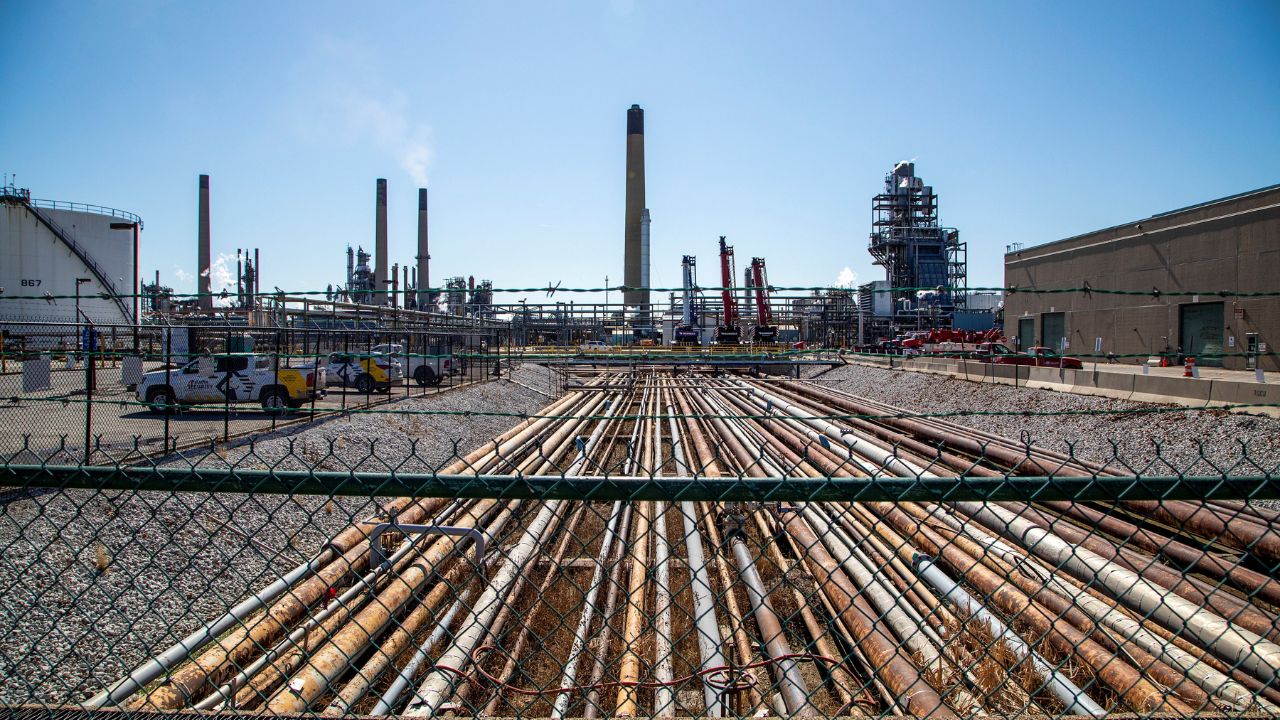
In a significant move toward strengthening Canada’s energy independence and economic resilience, the Ontario government has taken a major step to explore the creation of a new cross-Canada energy corridor. This ambitious infrastructure project envisions an east-west pipeline system and related facilities to connect the oil and gas-rich provinces of Western Canada, particularly Alberta, with Ontario's refineries and potential new port facilities on James Bay and other key locations.
On August 7, 2025, Ontario issued a Request for Proposals (RFP) for a comprehensive feasibility study to evaluate the technical, commercial, social, and environmental viability of this proposed energy corridor. This initiative forms part of a broader partnership between Ontario, Alberta, and Saskatchewan aimed at boosting Canadian energy security, protecting jobs, and opening new markets for resources beyond traditional routes that rely heavily on U.S.-controlled infrastructure.
Background and Context
Canada’s energy sector has long depended on pipelines and transportation routes that cross the United States to reach both domestic and international markets. However, geopolitical tensions and recent U.S. tariffs on Canadian energy products have raised serious concerns about the reliability and sovereignty of these routes. As a response, Canadian provinces have sought ways to build infrastructure entirely within Canadian borders, thereby ensuring secure, uninterrupted access to energy supplies and markets.
The new east-west energy corridor aims exactly at this goal by creating a pipeline and shipping network stretching from Alberta’s oil and gas fields to Ontario’s industrial centers and ports. This corridor would be transformative for the country’s energy infrastructure, reducing dependence on foreign-controlled routes and enhancing Canada’s strategic energy autonomy.
Details of the Proposed Energy Corridor
The feasibility study will explore multiple key components:
-
Pipeline Infrastructure: Building new pipelines that can safely and efficiently transport oil and natural gas across provinces, from Alberta and possibly Saskatchewan to Ontario.
-
Port Developments: Assessing the potential for new deep-sea port facilities on James Bay, as well as additional port options on Hudson Bay and the Great Lakes. These ports would open access to international shipping lanes, enabling Canadian energy exports to reach global markets directly.
-
New Refinery Capacity: Examining the construction of new refineries along the corridor to process crude oil closer to markets and reduce transportation costs and risks.
-
Indigenous Partnerships: Planning for meaningful Indigenous consultation and equity participation, respecting Indigenous rights and fostering economic reconciliation.
-
Risk and Environmental Assessments: Identifying potential environmental impacts and designing strategies to minimize ecological disruption while ensuring safety and compliance.
-
Commercial and Financial Analysis: Evaluating financial feasibility, capital investment needs, and lifecycle costs to ensure the corridor can be economically sustainable and attractive to investors.
Economic Benefits and Job Creation
The energy corridor is expected to bring significant economic benefits at both provincial and national levels. Key advantages include:
-
Job Creation: Construction and operation of pipelines, ports, and refineries will generate thousands of jobs in multiple sectors such as engineering, construction, logistics, and manufacturing.
-
Economic Growth: Enhanced energy infrastructure will facilitate energy exports and trade, stimulate local economies in affected regions, and encourage investments.
-
Energy Security: By securing an internal Canadian supply chain, provinces can reduce vulnerability to interruptions caused by foreign policies or tariffs.
-
New Markets: With direct port access to international waters, Canadian energy products can reach Asian, European, and global markets more competitively.
Ontario’s Infrastructure Minister Kinga Surma highlighted the importance of provincial collaboration in a challenging global environment, noting that building robust energy and trade links across Canada is essential for protecting Canadian workers and opening new markets.
Environmental and Indigenous Considerations
Building large-scale energy infrastructure poses environmental and social challenges. The feasibility study will carefully evaluate:
-
Environmental Impact: Potential effects on water bodies, forests, wildlife habitats, and traditional Indigenous lands. Plans will include measures to mitigate pollution, spills, and landscape disturbance.
-
Sustainability: Balancing energy development with Canada’s commitments to reducing carbon emissions and protecting biodiversity.
-
Indigenous Rights and Participation: The project commits to ongoing consultation with Indigenous communities to ensure that their rights, interests, and traditional knowledge are respected. Economic partnership opportunities through equity participation and job training programs will be part of the corridor planning.
These considerations are vital for achieving a socially responsible project that aligns with Canadian values and legal frameworks.
Political and Social Dimensions
The energy corridor also reflects the political will to reduce Canada’s reliance on U.S.-controlled energy infrastructure, which has become increasingly fragile due to trade tensions and tariff threats.
-
Interprovincial Cooperation: The project demonstrates growing cooperation between provincial governments willing to work together on energy and infrastructure to achieve national goals.
-
Public Opinion: While pipeline projects have historically been controversial in Canada, recent surveys indicate increased public support for new energy infrastructure that proves safe, economically beneficial, and respects Indigenous rights.
-
National Security: Ontario Premier Doug Ford emphasized that Canada must take control of its energy future, rather than rely on external countries that could disrupt supplies at any time.