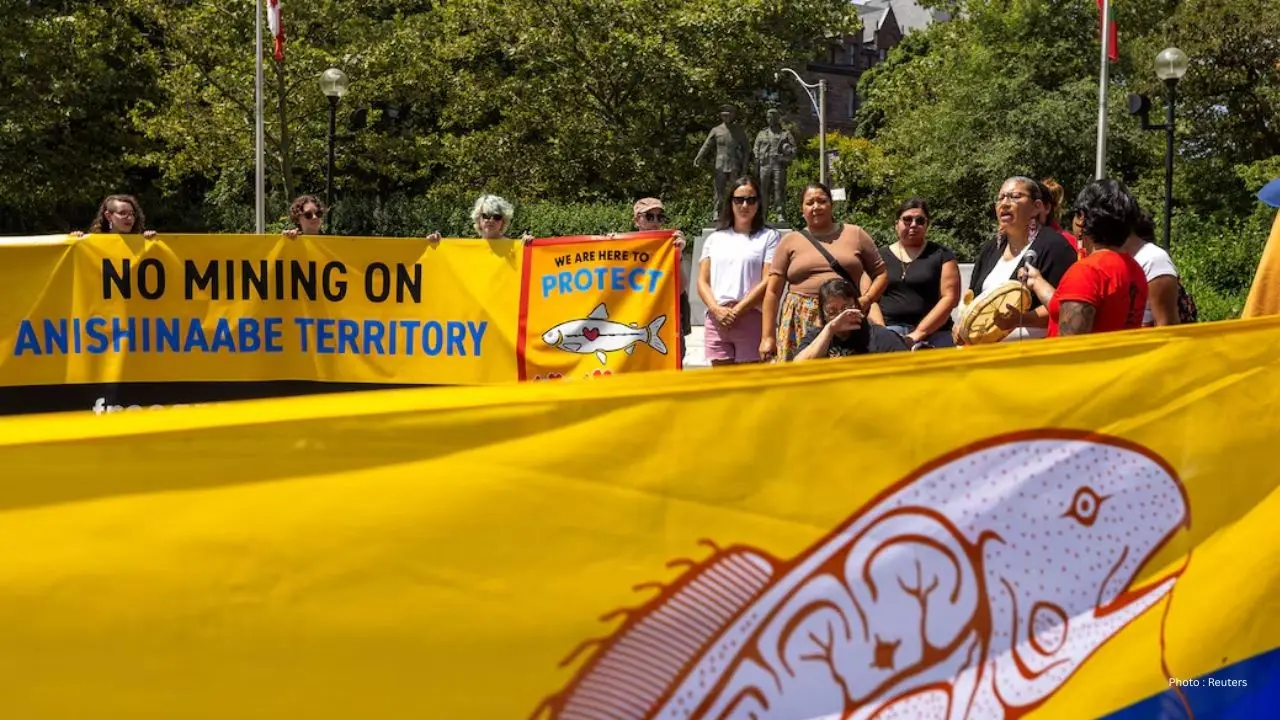
A proposed industrial development project in Nanaimo has sparked strong opposition from the Snuneymuxw First Nation, which has sent a strongly worded letter to city officials raising concerns over treaty rights and consultation.
The dispute centres on a plan by Nanaimo Forest Products to rezone a large parcel of land near the city. The company intends to develop part of the property into an industrial park, while designating another portion as parkland. However, the First Nation argues that moving forward without proper consultation violates its treaty rights, particularly those established under historic agreements.
A representative from the Snuneymuxw First Nation emphasised that their opposition is not against economic development itself, but rather about ensuring that such development happens in a respectful and lawful manner. The group has called for meaningful dialogue and proper engagement before any decisions are finalised.
The issue has also drawn significant public attention. Hundreds of residents attended a recent public hearing to express concerns and opposition to the project. Many have raised environmental, cultural, and community impact issues, adding to the growing debate.
According to the First Nation, the land in question—known as Cable Bay Forest—holds important archaeological and cultural significance. This has increased the urgency of their demand for consultation and protection of the site.
Officials from the City of Nanaimo have stated that the proposed rezoning aligns with long-term planning goals and addresses the need for more industrial land in the region. However, Mayor Leonard Krog declined to comment in detail, noting that the matter is still under review as part of the public hearing process.
The next public hearing is scheduled for April 30, where further discussions are expected. Meanwhile, the Snuneymuxw First Nation has indicated that it is considering legal action if its concerns are not addressed.
The situation highlights ongoing challenges around balancing development goals with Indigenous rights, as communities across Canada continue to push for greater recognition and involvement in land-use decisions.