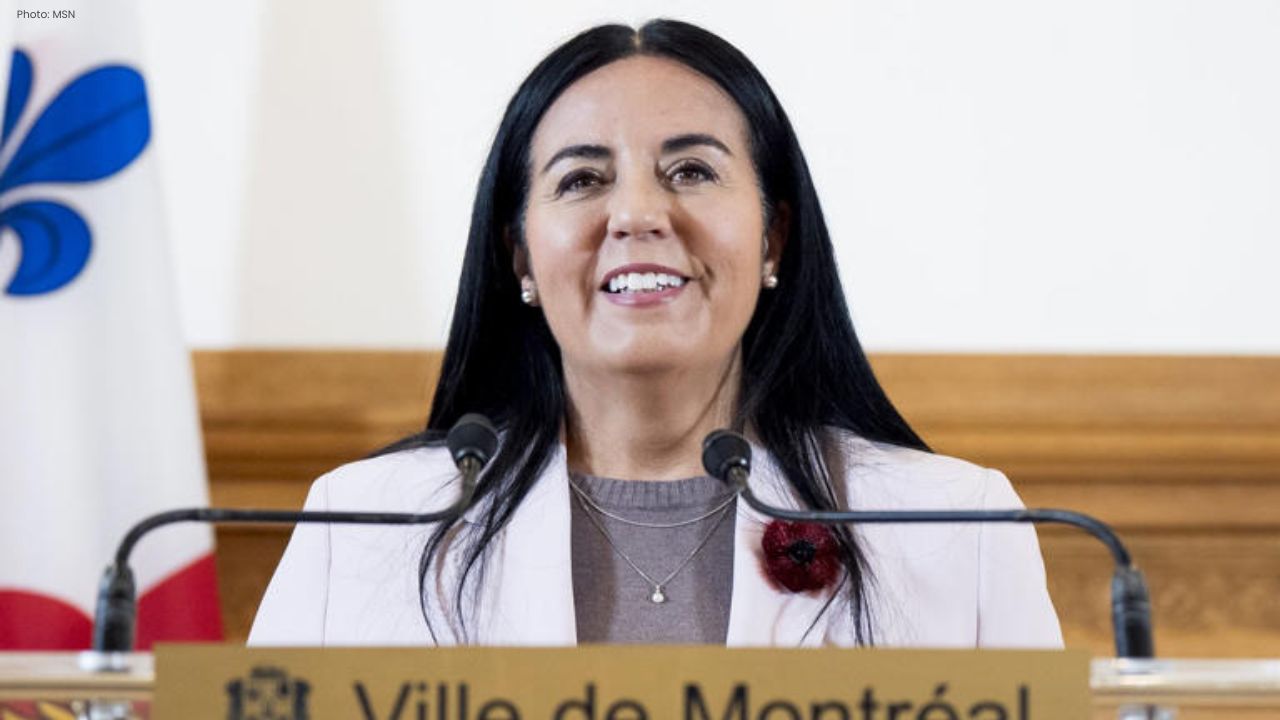
Montreal’s outgoing mayor, Valérie Plante, delivered a message of unity and collaboration during her final days in office as she met with the city’s mayor-elect, Soraya Martinez Ferrada. The meeting took place at City Hall, where Plante reflected on her eight-year tenure and offered support to the incoming leadership team.
Plante, who announced last year that she would not seek a third term, expressed a sense of serenity about her departure. Her tenure as Montreal’s first female mayor has been marked by progressive initiatives in urban planning, environmental policies, and social programs aimed at improving the quality of life across the city.
Election Results and Political Transition
Soraya Martinez Ferrada secured a decisive victory in the recent mayoral election, defeating Luc Rabouin, who was Plante’s chosen successor and a prominent member of Projet Montréal. The election outcome marks a significant shift in Montreal’s political landscape, with Martinez Ferrada promising to take a fresh approach to several key municipal policies.
In her meeting with Martinez Ferrada, Plante emphasized the importance of supporting the new administration despite the electoral outcome not favoring her team. “Often in these troubled times, there can be a lot of polarization and fights over ideas, and it gets kind of black or white all the time,” Plante said. “If this can help to show that it’s about supporting the next team, even though it’s not my team that did win, that I do wish them luck and want to do the right thing for them.”
Key Issues Discussed
During their discussion, Plante and Martinez Ferrada reviewed several critical issues facing Montreal, including major housing projects, the extension of the subway line, and strategies to combat homelessness. Plante highlighted the legacy of Projet Montréal as a champion of progressive values, particularly focusing on environmental initiatives, safer travel, neighborhood quality of life, and inclusive policies ensuring no citizen is left behind.
Martinez Ferrada, a former federal cabinet minister, acknowledged Plante’s historic contributions as Montreal’s first female mayor. She praised Plante for navigating criticism, maintaining an energetic spirit, and serving the city with dedication for over eight years. Martinez Ferrada noted, “We’re all humans, and I think you had your share of messages on social media, and I find you courageous for that, to have been there eight years, to watch you smile and keep that energetic spirit.”
Incoming Mayor’s Priorities
Martinez Ferrada inherits a city facing pressing challenges, including a growing homelessness crisis and ongoing disruptions caused by a public transit strike affecting commuters and local businesses. She has announced plans to reassess and revise several policies of her predecessor, particularly those aligned with the left-leaning agenda of Projet Montréal.
One of her early policy changes involves replacing the housing bylaw, which previously required developers to construct social and affordable housing, with a new approach emphasizing incentives and public-private partnerships. Martinez Ferrada has also committed to auditing Montreal’s extensive network of bike paths, a subject of contention for many residents opposed to Plante’s eco-conscious transportation initiatives. She confirmed that two existing reports on the bike paths would be made public and intends to meet with cycling advocacy groups to review safety records and citizen complaints before making further decisions.
Legacy of Valérie Plante
Plante’s tenure was characterized by ambitious urban and environmental reforms. She prioritized extending public transit, promoting sustainable transportation options, and implementing measures to support vulnerable populations. Her administration also focused on neighborhood development, emphasizing pedestrian-friendly streets, community engagement, and inclusive public spaces.
Her final public statements underscored the need for reducing political polarization and fostering collaboration across party lines. By publicly endorsing Martinez Ferrada, Plante aimed to set an example for civil leadership transitions in a politically divided climate. Her advice to the incoming mayor was lighthearted but practical: “Don’t look at your social media,” a remark that elicited laughter during the meeting.
As Plante prepares to leave office, Martinez Ferrada faces the immediate task of navigating both policy reforms and ongoing civic challenges. The new administration’s approach to housing, urban mobility, and social programs will likely shape Montreal’s development trajectory for years to come. By fostering dialogue and collaboration with former leaders like Plante, the city may find a balanced path between innovation and continuity.
Montreal residents now look to Martinez Ferrada’s leadership to address pressing urban issues while respecting the progressive foundations laid during Plante’s administration. The transition reflects not only a change in political leadership but also an opportunity to unite the city around shared goals and sustainable development initiatives.