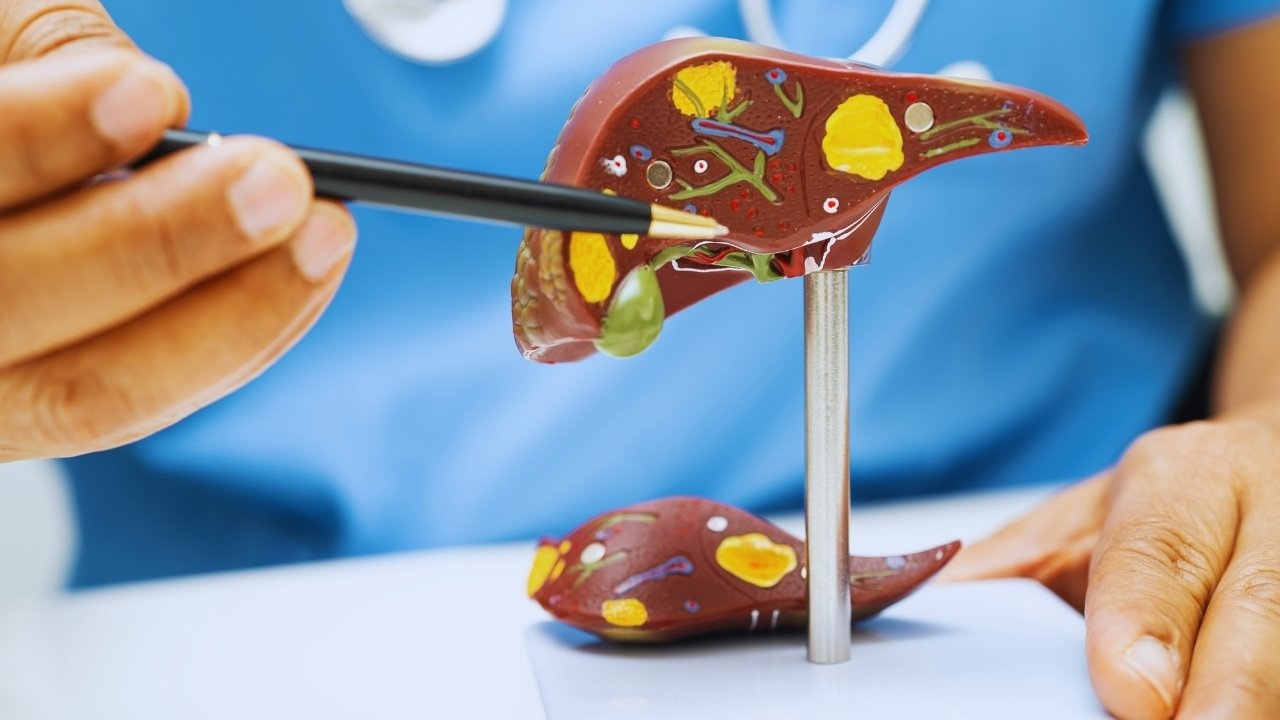
Emerging Detox Trends Capture Attention
Social media and health forums have recently been abuzz with sensational claims regarding liver detox drinks, fast cleanses, miracle foods, and extreme fasting methods. These trends often promise quick fixes for flushing out toxins or 'resetting' liver health in no time.
However, health professionals advise that these assertions can be misleading and at times, detrimental. The liver is naturally resilient and doesn’t require harsh detoxification methods; rather, it thrives on balanced nutrition and consistent care.
The increase in these detox myths highlights a common misunderstanding about liver functionality, helping people discern ineffective approaches and adopt healthier practices.
The Liver’s Natural Function: Understanding Detoxification
Before delving into the myths, it’s vital to understand the liver's essential roles. It acts as the body's primary detoxification organ, performing several crucial functions including:
-
processing nutrients
-
breaking down medications
-
filtering alcohol
-
metabolizing fats and sugars
-
neutralizing toxins
-
regulating cholesterol levels
-
storing essential vitamins and minerals
It operates seamlessly without the need for extreme diets or fasts, as its detoxification process occurs naturally as long as healthful lifestyle choices are maintained.
Myth 1: “Detox Drinks Can Cleanse Your Liver Overnight”
One prevalent myth suggests that a single beverage, often a concoction of lemon, herbs, or apple cider vinegar, can instantaneously cleanse the liver.
Medical professionals emphasize that:
-
no single drink can detoxify the liver
-
the liver doesn’t store harmful substances needing to be flushed out
-
extreme drinks may lead to stomach irritation or dehydration
While certain ingredients may aid digestion, they do not provide the detoxification that the liver achieves internally through its biochemical functions.
Myth 2: “Juice Cleanses Heal the Liver Faster”
Juice cleanses have become tremendously popular, especially those that claim to 'rest' the liver by cutting out solid foods. Doctors warn that these practices can be counterproductive.
Potential risks include:
-
nutritional imbalances
-
spikes in blood sugar levels
-
muscle loss due to insufficient protein
-
fatigue and mood changes
-
additional strain on individuals with pre-existing health concerns
Though juice cleansing may provide a fleeting sense of lightness, it does not rejuvenate liver cells or repair existing damage. Instead, balanced nutrition fosters optimal liver function.
Myth 3: “Herbal Liver Detox Teas Quickly Reverse Damage”
Numerous detox teas market themselves as solutions for liver cleansing or correcting years of unhealthy habits. While some ingredients may possess slight antioxidant benefits, their effectiveness is frequently unproven.
Doctors caution that:
-
certain herbs might interact with medications
-
high doses can stress the liver
-
unregulated supplements may contain harmful substances
-
certain detox teas can induce digestive discomfort
The marketing surrounding herbal products often lacks sufficient scientific support and safety warnings.
Myth 4: “24-Hour Fasting Resets Liver Health”
Online promotions for water-only fasting and 24-hour detox diets are on the rise. While short-term fasting may provide some metabolic benefits, it does not inherently detoxify the liver.
Associated risks include:
Medical experts clarify that the liver needs consistent nourishment for optimal detox functions. Starvation can impair liver functionality rather than enhance it.
Myth 5: “Superfoods Alone Heal the Liver”
Foods like turmeric, beetroot, and green tea are celebrated as miracle healers for the liver. However, while they are nutritious, they cannot single-handedly remedy liver damage.
Health professionals emphasize that:
-
no specific food can cure liver diseases
-
overconsumption of certain 'superfoods' can be harmful
-
overall balanced diets are vital
Superfoods are primarily beneficial within the context of a holistic and healthy lifestyle.
Myth 6: “Detox Remedies can Reverse Alcohol Damage”
Trends suggest that specific detox protocols can mitigate the impacts of high alcohol consumption. Medical science, however, does not support these claims.
Doctors clarify that:
-
liver damage from alcohol cannot be reversed overnight
-
adequate protection of the liver entails reducing or halting alcohol intake
-
antioxidants cannot offset the long-term effects of drinking
The liver can gradually mend, but only when harmful behaviors cease.
Myth 7: “Liver Pain Signifies a Need for Detox”
Trending content recommends detoxifying when exhibiting symptoms like bloating or abdominal discomfort. However, liver issues rarely manifest pain in the early stages.
Healthcare professionals caution that:
-
liver-related pain is uncommon
-
abdominal symptoms often arise from digestive disruptions
-
self-diagnosing and detoxing may obscure important symptoms
-
personal treatment may delay accurate diagnosis
Any persistent discomfort should prompt a consultation with a medical expert.
Identifying Real Liver Threats
Instead of focusing on trendy detox methods, doctors advise targeting lifestyle factors that genuinely harm the liver.
Significant contributors to liver damage can include:
-
excessive alcohol consumption
-
high sugar intake
-
consumption of ultra-processed foods
-
lack of physical activity
-
overuse of pain relievers
-
obesity-related metabolic issues
-
mismanaged diabetes
-
viral infections
Avoiding these lifestyle risks is significantly more effective than following pop culture detox trends.
Supporting Long-Term Liver Health
Experts underscore sustainable lifestyle practices key to maintaining liver vitality.
1. Well-Balanced Meals
Nutritious whole foods, including:
-
fresh vegetables
-
fiber-rich fruits
-
whole grains
-
nuts and seeds
-
legumes
-
healthy fats
These foods nurture metabolic balance and reduce inflammation.
2. Stay Hydrated
Water plays a role in circulation and digestion, indirectly assisting liver health.
3. Moderation in Alcohol
Limiting consumption and avoiding excessive drinking significantly eases liver stress.
4. Regular Exercise
Physical activity maintains a healthy weight and minimizes liver fat accumulation.
5. Sleep Quality
Adequate rest supports cellular repair and overall metabolic function.
6. Manage Chronic Issues
Keeping conditions like diabetes and high blood pressure under control safeguards liver health.
7. Caution with Supplements
Experts advise that uncontrolled supplement usage often leads to more harm than good.
8. Regular Health Check-ups
Routine evaluations help identify early signs of liver issues.
Why Detox Myths Are So Believable
Various psychological and social reasons contribute to the rapid spread of liver detox myths.
Desire for Quick Solutions
The notion of immediate cleansing appeals to those facing challenges with long-term lifestyle changes.
Misleading Terminology
Terms like 'flush,' 'reset,' and 'cleanse' encourage a false sense of scientific legitimacy.
Influence of Social Media
Wellness influencers often endorse detox products without any empirical evidence.
Fear of Illness
People seek quick relief during times of rising health concerns.
Lack of Knowledge about Liver Function
Many aren’t informed about the liver's inherent ability to detoxify itself.
These elements merge to make detox myths attractive, despite their lack of real benefit.
Expert Guidance on Viral Health Trends
Medical professionals recommend a careful approach to online detox trends.
Suggested strategies include:
-
verifying the scientific validity of health claims
-
steering clear of extreme dietary practices
-
prioritizing long-term lifestyle changes
-
consulting healthcare professionals for continual symptoms
-
exercising caution with herbal and supplement products
Doctors stress that real health improvements demand time, consistency, and balance—not miraculous detox plans.
Consequences of Misinformation on Public Health
Detox myths can lead to:
Misinformation diverts focus from actual risk factors and effective preventive methods.
Upcoming Trends in Liver Health Awareness
With respiratory and seasonal illness concerns on the rise, doctors foresee ongoing public interest in detox methods. Health professionals aim to increase educational outreach to combat false claims and promote evidence-based practices.
Look out for:
The focus is shifting towards preventive education and addressing misinformation.
Conclusion
The recent surge in liver detox trends mirrors the collective yearning for easy answers. Nevertheless, medical experts remind us that short-term remedies cannot 'reset,' 'flush,' or 'cleanse' the liver. Genuine liver health hinges on sustainable dietary choices, moderate lifestyle practices, adequate hydration, and timely professional care.
While detox myths may pique interest, lasting liver wellness only arises from proven health strategies.
Disclaimer:
This article offers general information about lifestyle actions and prevalent misconceptions. It should not replace professional medical advice, diagnosis, or treatment. Consult qualified healthcare providers for personalized guidance.