A powerful earthquake has put Japan on high alert, raising fears of a possible larger “megaquake” in the coming days. Authorities have warned that the chances of another strong earthquake are now significantly higher than usual, urging people to remain prepared and cautious.
The earthquake, measured at around 7.7 magnitude, struck on Monday off the northeastern coast near the Sanriku region in the Pacific Ocean. The tremor occurred at a relatively shallow depth of about 20 kilometres, making it strongly felt across several regions, including areas far from the epicentre such as Tokyo.
Following the quake, the Japan Meteorological Agency issued tsunami warnings along large parts of the country’s eastern coastline. Initially, authorities warned that waves between one and three metres could hit coastal areas. However, the highest recorded wave reached about 80 centimetres in Iwate Prefecture. As the situation stabilised, warnings were downgraded to advisories and later fully lifted by midnight.
Despite the lifting of tsunami alerts, officials have stressed that the danger is not over. The Japan Meteorological Agency stated that the likelihood of another earthquake of magnitude 8.0 or higher is about 10 times greater than normal. While the usual probability of such a large quake is around 0.1%, it has now increased to about 1%, which is considered significant in seismic terms.
As a precaution, more than 170,000 people were advised to evacuate from coastal and vulnerable areas when the warnings were first issued. Although evacuation orders have now been lifted, the government continues to advise residents to stay alert and keep emergency supplies ready.
There were no reports of deaths or major structural damage, but the earthquake did cause disruptions. Around 100 homes experienced power outages, and transportation services, including bullet trains, were temporarily suspended. Some highways were also closed as a safety measure. Several people suffered minor injuries during evacuations, including elderly individuals who fell and sustained fractures.
Prime Minister Sanae Takaichi confirmed that an emergency task force had been set up to monitor the situation and coordinate response efforts. Authorities also used loudspeakers and emergency alert systems to warn residents and guide evacuations.
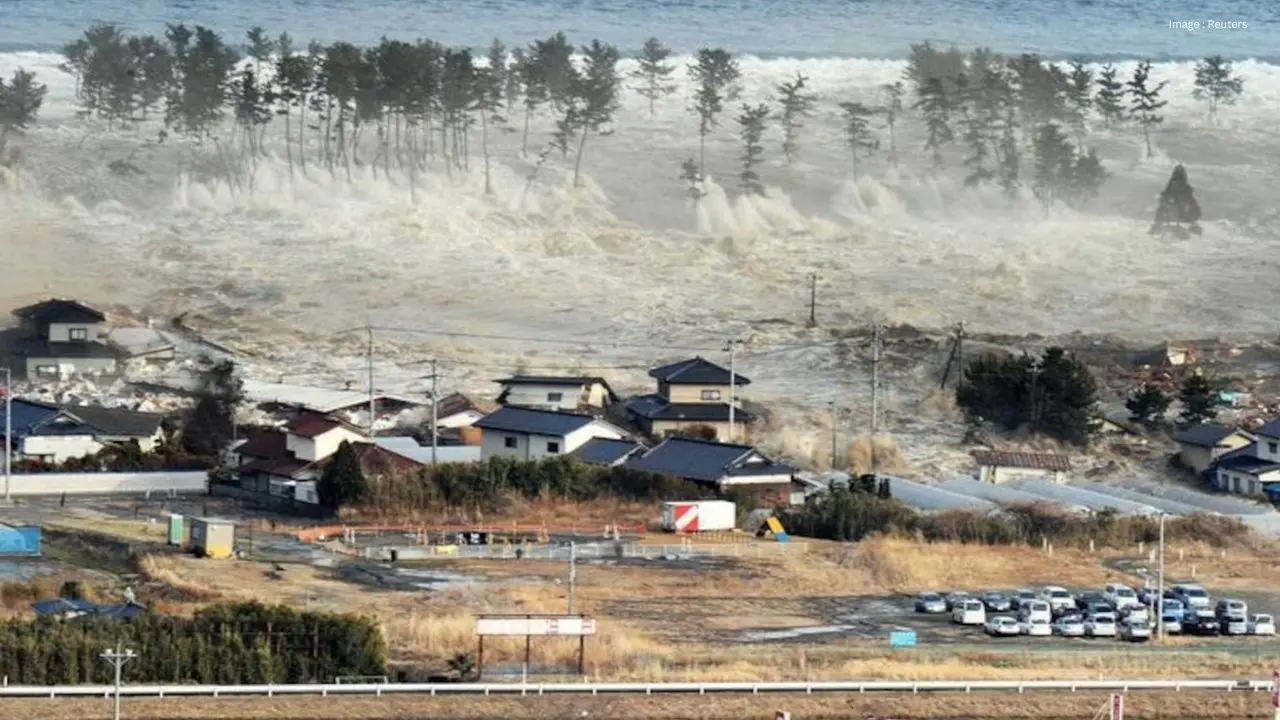
The event has revived memories of the devastating 2011 Tohoku earthquake and tsunami, which caused massive destruction and loss of life, along with a nuclear crisis. However, the International Atomic Energy Agency has confirmed that no abnormalities have been reported at nuclear facilities following the recent quake.
Japan is located in the seismically active “Ring of Fire,” making it one of the most earthquake-prone countries in the world. Experts say regular preparedness and awareness are essential, especially during periods of increased seismic activity like the current one.
Authorities are continuing to monitor aftershocks closely and have urged citizens to stay prepared, follow official guidance, and prioritize safety as the risk of further seismic activity remains elevated in the coming days.