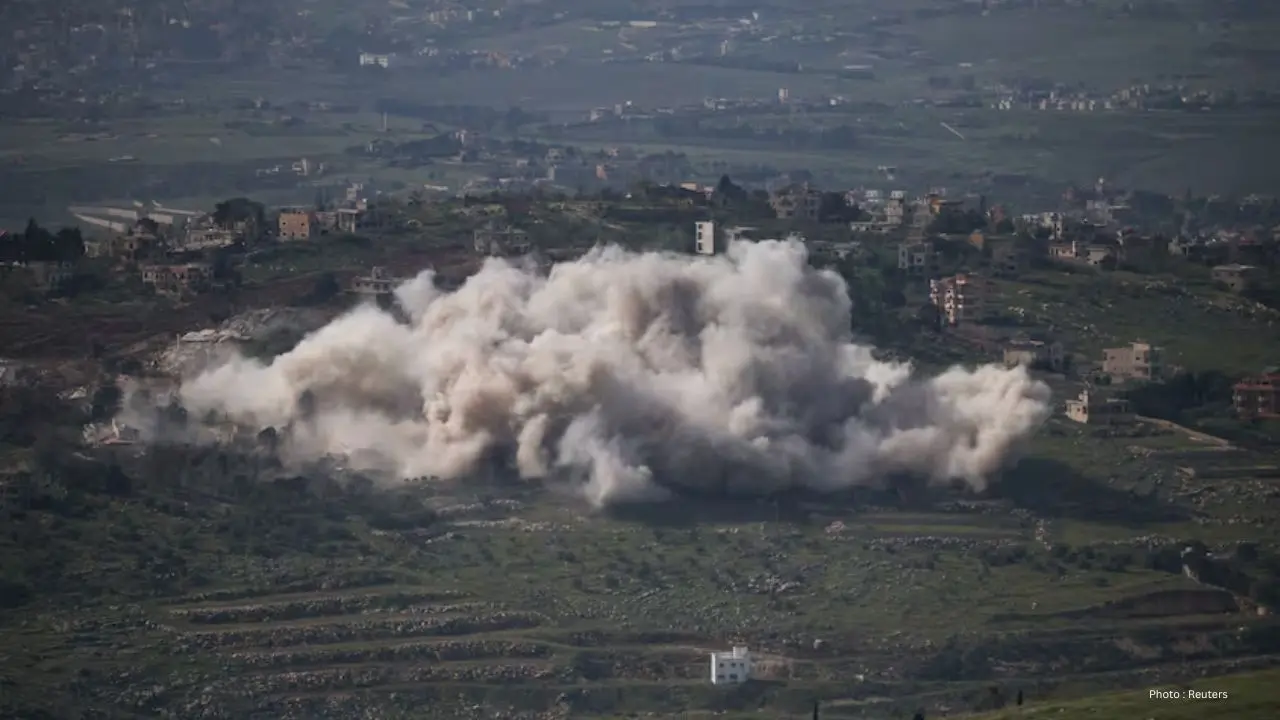
Israeli forces have expanded their military operations into eastern Lebanon, carrying out airstrikes in the Bekaa Valley despite an ongoing ceasefire aimed at reducing hostilities. The development marks a significant escalation, as the area had not been targeted since the truce came into effect earlier this month.
According to the Israel Defense Forces, the strikes were aimed at infrastructure linked to Hezbollah. Military officials stated that operations are continuing in both eastern and southern parts of Lebanon, where Israel claims militant activity remains active.
The ceasefire, brokered with the involvement of the United States, had reduced the intensity of fighting since April 16 but failed to completely stop exchanges of fire. While airstrikes had continued in southern Lebanon, the latest attacks in the eastern Bekaa Valley signal a widening of the conflict zone.
Local reports indicate that multiple strikes were carried out near towns close to the Syrian border. In southern Lebanon, several people were reported injured following additional attacks, according to state media. Although no immediate casualties were confirmed in the eastern region, the situation remains tense.
Hezbollah has continued its operations in response, reportedly launching drone and rocket attacks targeting Israeli forces. The Israeli military confirmed that one such drone exploded near its troops without causing casualties, highlighting the ongoing risk of confrontation despite the truce.
Since early March, the conflict has resulted in significant loss of life and widespread destruction, particularly in southern Lebanon. Thousands of people have been killed, and many communities have been heavily affected by the continued fighting.
The situation has also created political divisions within Lebanon. While the government has shown openness to diplomatic talks, Hezbollah has strongly opposed direct negotiations with Israel. Naim Qassem rejected the idea of peace talks, calling them unnecessary, while Joseph Aoun defended efforts to pursue dialogue as part of a broader strategy to stabilize the country.
Despite diplomatic efforts, the ceasefire remains fragile, with both sides continuing military actions. The expansion of strikes into new areas raises concerns that the conflict could intensify further, complicating attempts to reach a lasting peace agreement.