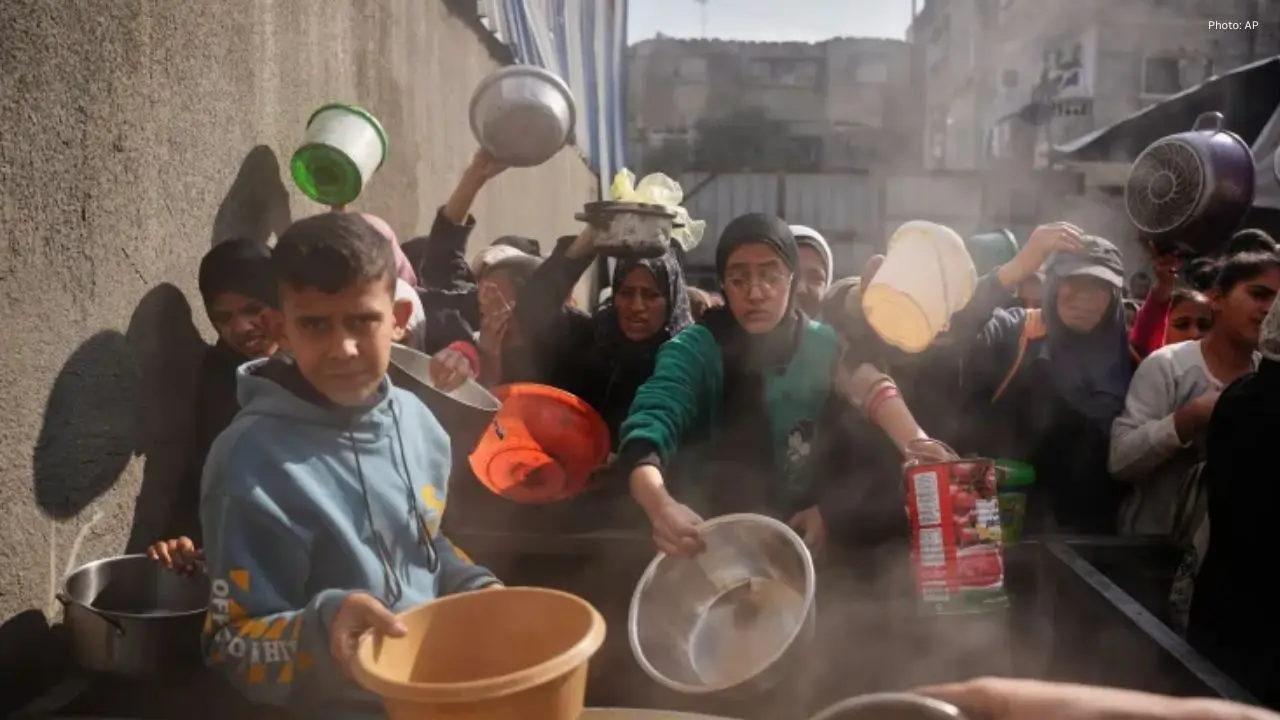
The ongoing conflict involving Iran has raised serious global concerns, with the Food and Agriculture Organization (FAO) warning that the situation could lead to a major food crisis if it continues. According to the agency, disruptions in global supply chains—especially through the critical Strait of Hormuz—could severely impact the availability of essential agricultural inputs and drive up food prices worldwide.
Experts say the conflict is already putting pressure on the global supply of fertilizers, which are essential for crop production. A significant portion of the world’s fertilizer, particularly nitrogen-based products, is transported through the Strait of Hormuz. Any blockage or disruption in this route could reduce supply and increase costs for farmers across many countries. The FAO has warned that if shipments do not resume quickly, the world may face a sharp increase in food price inflation later this year.
The situation is described as an “input crisis,” referring to shortages of key agricultural materials like fertilizers and fuel. If the conflict continues, this crisis could worsen and affect crop yields globally. Lower yields would especially impact developing countries, where farmers depend heavily on imported fertilizers. Experts warn that this could lead to food shortages and even famine in the most vulnerable regions.
The impact may not be limited to poorer nations. Rising fertilizer and fuel costs are already affecting farmers in developed countries as well. Higher production costs are likely to be passed on to consumers, meaning food prices could increase significantly in the coming months. Some countries may also restrict food exports to protect domestic supplies, which could further tighten global markets.
The FAO has emphasized that urgent action is needed to prevent the situation from escalating into a full-scale global food crisis. Ensuring the smooth flow of goods through key trade routes and stabilizing supply chains will be critical. Without swift intervention, the ongoing war could have long-term consequences for global food security and economic stability.