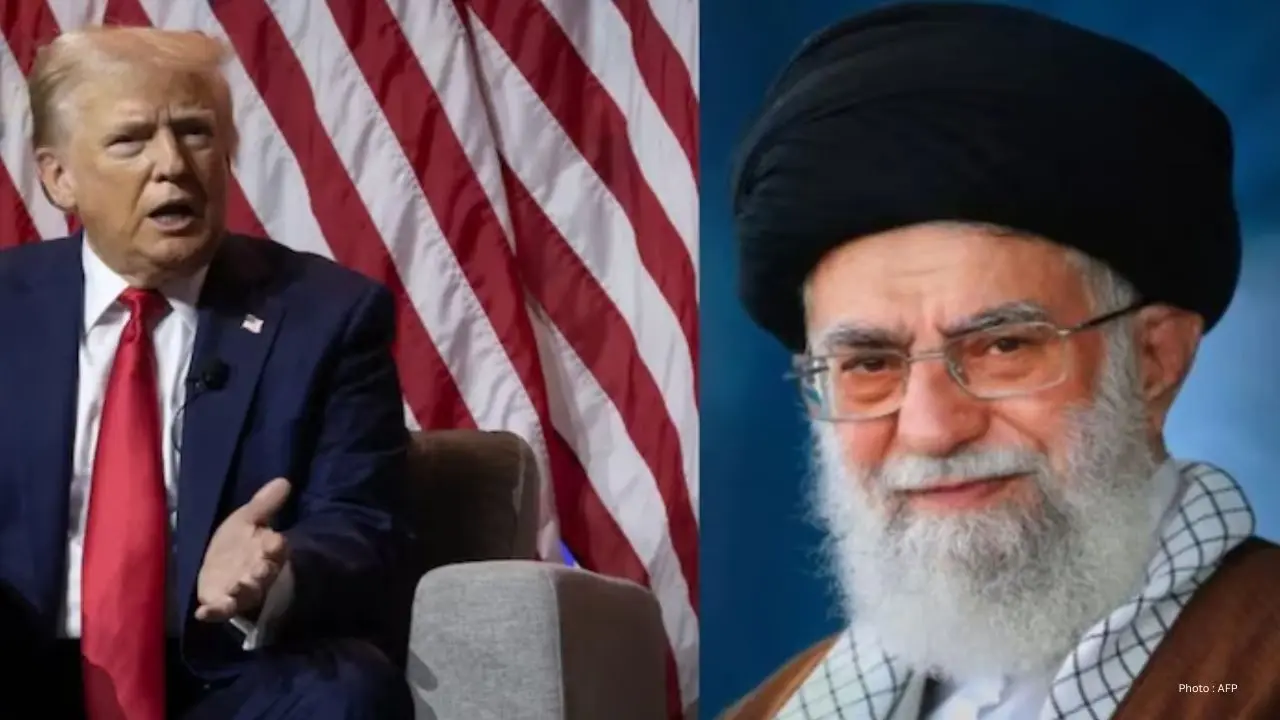
Iran has rejected reports of participating in a second round of negotiations with the United States, escalating tensions between the two countries at a time of heightened geopolitical uncertainty. Iranian officials have strongly criticised Washington’s position, calling its demands “unrealistic” and accusing it of increasing pressure through military actions, including the continued blockade of the strategically important Strait of Hormuz.
According to Iran’s state-run Islamic Republic News Agency (IRNA), claims that Tehran would join fresh talks in Islamabad are “false.” The agency stated that under current conditions, there is little hope for meaningful or constructive dialogue. Iranian authorities also accused the US of engaging in a “blame game” and misrepresenting Tehran’s stance in order to build international pressure.
The development comes as US President Donald Trump signaled that American negotiators were prepared to travel to Pakistan for a new round of discussions. These talks were expected to take place ahead of a fragile ceasefire deadline set for April 22, raising concerns about what could happen if diplomatic efforts fail to progress.
Tensions have been further intensified by the situation in the Strait of Hormuz, a critical global oil transit route. Any disruption in this region has significant implications for international energy markets and global trade. Iran’s criticism of the US naval presence and blockade actions reflects broader concerns about sovereignty and regional security.
The rejection of talks has cast serious doubt on the future of diplomatic engagement between the two sides. With both countries maintaining firm positions, the chances of immediate progress appear limited. Observers note that without a shift in approach from either side, the situation could become more volatile, especially as the ceasefire deadline approaches.
For now, the uncertainty surrounding negotiations continues to grow, with global attention focused on whether backchannel diplomacy or international mediation efforts can help ease tensions and prevent further escalation in the region.