Iran has proposed reopening the strategically important Strait of Hormuz in exchange for easing economic pressure from the United States, creating a possible opportunity for reducing tensions in West Asia. However, officials in Washington remain cautious about Tehran’s intentions, raising doubts about whether the proposal could lead to a real breakthrough or become another failed diplomatic effort.
The Strait of Hormuz is one of the world’s most important oil shipping routes, with nearly one-fifth of global oil supplies passing through the narrow waterway. Any disruption in the area can immediately affect international energy markets, oil prices, and global trade. The latest proposal from Tehran comes after weeks of rising tensions, military activity, and economic pressure linked to the ongoing confrontation between Iran and the United States.
According to Iranian officials, the proposal aims to separate the immediate maritime crisis from the more difficult nuclear negotiations between the two countries. Tehran believes that reopening shipping routes and reducing pressure around Hormuz could help build trust in stages before broader talks on nuclear issues begin. Iranian leaders argue that restoring free movement through the waterway would benefit the global economy and reduce fears of a larger regional conflict.
Iranian Foreign Minister Abbas Araghchi has been actively discussing the proposal with regional and international allies. Tehran has also increased diplomatic outreach to countries including Russia, Saudi Arabia, Oman, and Pakistan in an effort to gather support for the initiative and avoid further escalation in the region.
At the same time, reports from Washington suggest that the administration of Donald Trump remains unconvinced by Iran’s proposal. Senior American officials reportedly believe that continued economic pressure and restrictions on Iranian trade could eventually force Tehran to accept broader U.S. demands, especially regarding its nuclear program and regional military activities.
U.S. Secretary of State Marco Rubio also raised concerns about Iran’s position on international waterways. In recent remarks, Rubio said the United States could not accept any situation where Iran controls access to the Strait of Hormuz or decides which countries can safely use the route. He stressed that the waterway must remain open under international law without political conditions or security threats.
The nuclear issue remains one of the biggest obstacles in any future agreement between Washington and Tehran. American officials continue to insist that Iran must provide guarantees that it will not move toward developing nuclear weapons. Iran, however, maintains that its nuclear activities are peaceful and has repeatedly criticized Western sanctions and military pressure.
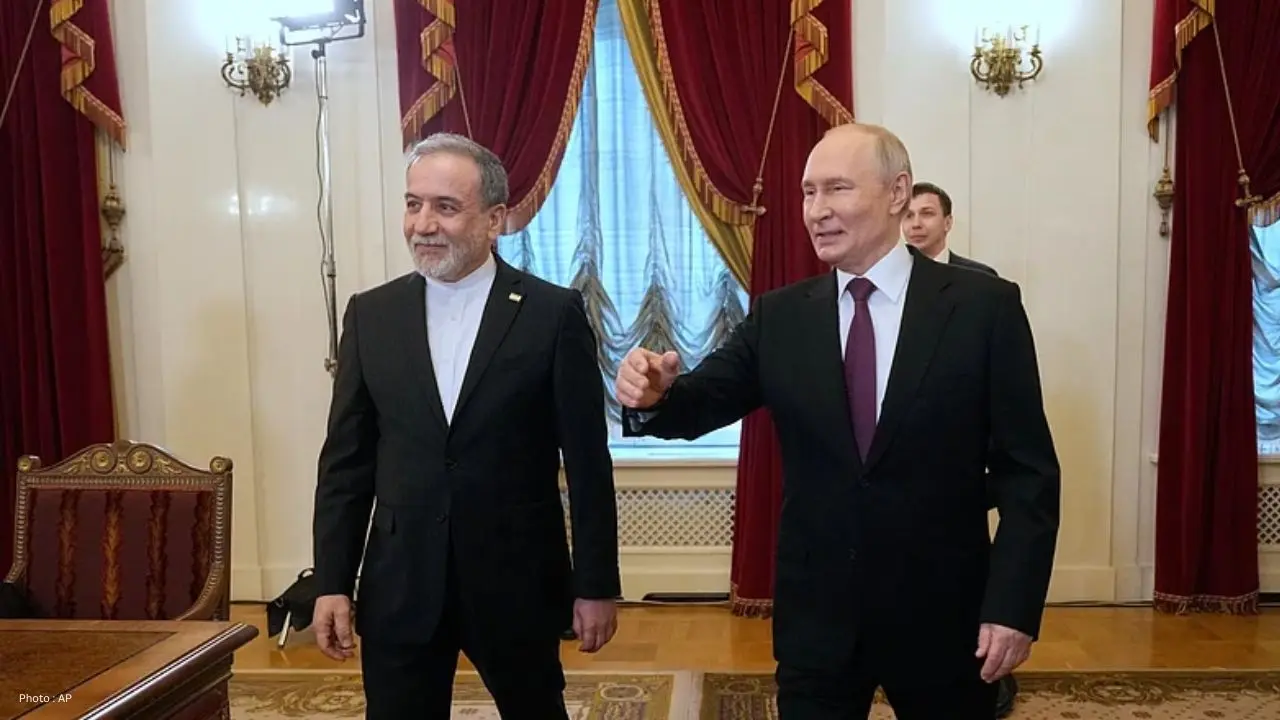
The situation has also increased global attention on Iran’s relationship with Russia. Tehran and Moscow have strengthened political and military cooperation in recent years, especially after both countries expanded coordination on regional security and economic issues. During a recent visit to Saint Petersburg, Foreign Minister Abbas Araghchi met Vladimir Putin to discuss regional developments and Iran’s diplomatic proposals.
Russian leaders publicly supported efforts to reduce tensions and called for peace in the Middle East. Moscow has strongly criticized American and Israeli military actions against Iran and described them as destabilizing for the region. Reports have also circulated about possible Russian intelligence assistance to Iran during recent military confrontations, although Moscow has denied direct involvement.
Analysts say the current situation remains highly sensitive because of the economic importance of the Gulf region and the risk of wider military escalation. Any prolonged disruption in the Strait of Hormuz could affect oil exports, shipping routes, and energy prices worldwide. Countries across Asia and Europe are closely watching developments because many economies depend heavily on energy supplies passing through the region.
Iran’s latest diplomatic effort is being viewed by some observers as a possible opening for negotiations after months of confrontation. Others believe deep mistrust between Tehran and Washington may prevent meaningful progress. For now, the future of the proposal depends largely on whether both sides are willing to move toward compromise instead of further escalation.