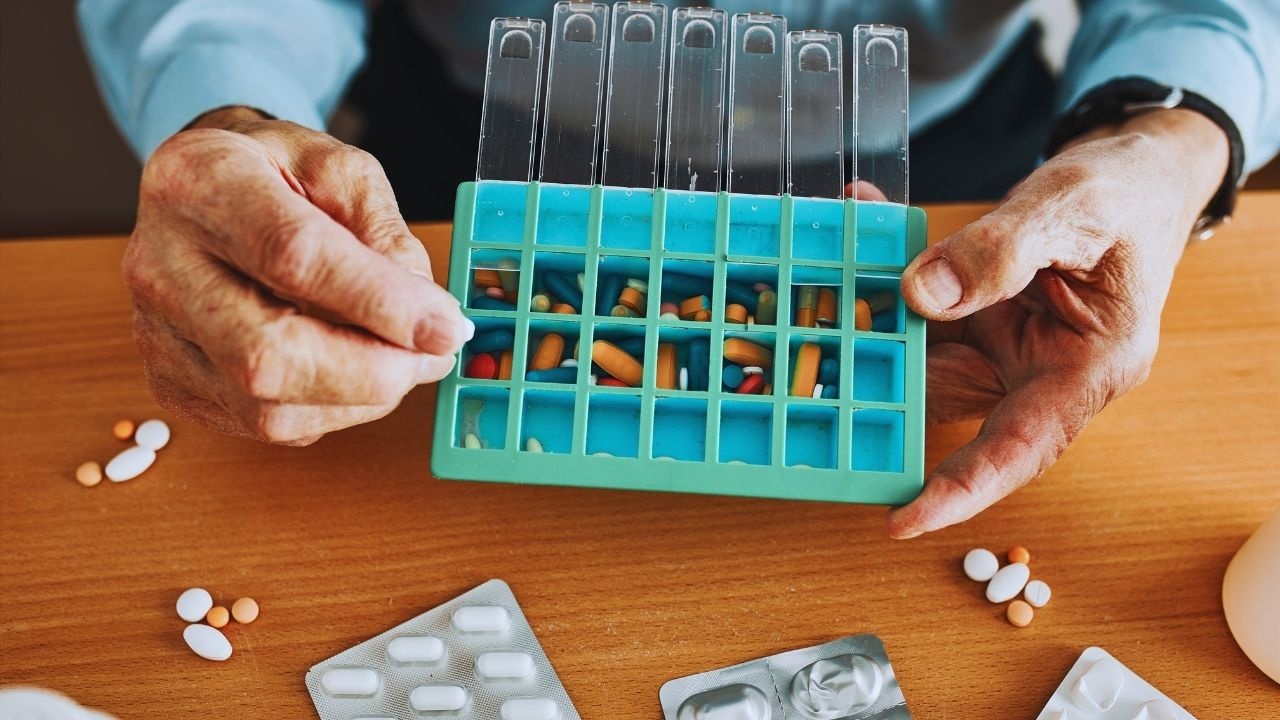
Healthcare extends beyond clinics and hospitals; a movement is reshaping how we receive medical care at home. As India witnesses an aging population and an uptick in lifestyle-related diseases, smart medicine dispensers and home-health technology are stepping in as vital components of everyday well-being.
From automated pill dispensers and voice prompts to innovative BP monitors and AI-driven fall detection for seniors, modern technology is replacing traditional methods like handwritten logs and pill boxes. What was once futuristic is now fundamentally changing health management routines.
This transformation signifies more than just technology—it embodies autonomy, safety, and peace of mind. The goal is to ensure timely medication, regular health checks, and minimize unnecessary hospital visits, thereby providing comfort to seniors, easing the pressures on busy families, and offering reliable support for those with chronic conditions.
India's evolution in home health is not approaching.
It is already underway—growing at an incredible pace.
Importance of Smart Medication Management Today
Increasing Chronic Health Issues
Conditions like hypertension, diabetes, and arthritis necessitate daily medications and regular health monitoring.
Missed doses may result in:
-
Sudden health fluctuations
-
Healthcare complications and increased hospital visits
-
Decreased medication effectiveness
Technology helps counteract human errors and lapses in memory.
Expanding Senior Demographics
As the elderly population in India grows, many seniors maintain a degree of independence without full family support due to work commitments or geographic distances. Smart medication systems and health-monitoring gadgets facilitate secure living.
Fast-Paced Urban Lifestyles
Heavy work schedules and long commutes make it challenging for even the most devoted family members to oversee medication routines continuously. Automation introduces efficiency into care.
Aftercare Requirements
After surgeries, physiotherapy, or treatment for chronic conditions, structured home-based care not only speeds recovery but also lowers readmission rates.
Smart Medicine Dispensers: A New Era
More Than Just Pill Containers
Conventional pill containers rely heavily on memory and consistency. Smart dispensers automate the medication process while minimizing mistakes.
Essential Features
-
Timely medication dispensing
-
Alerts via sound, light, or mobile notifications
-
Locks to prevent misuse
-
Caregiver alerts for missed doses
-
Compartments for multiple medications
-
Emergency override system
-
Voice assistance for ease of use
-
Alerts for medicine refills
Who Stands to Gain
-
Seniors living independently
-
Individuals facing memory challenges
-
Patients managing multiple medications
-
Individuals with chronic health issues
-
Caregivers overseeing several patients
-
Busy families supporting elderly loved ones from afar
These innovations promote independence without jeopardizing safety.
Connected Home-Health Devices: Daily Medical Assistance
Smart Blood Pressure Monitors
Devices with digital displays provide readings synced to mobile apps featuring graphs, alerts, and sharing capabilities with doctors.
Smart Glucometers
Continuous glucose monitoring for diabetics enables insights into health trends rather than isolated data points.
Pulse Oximeter & ECG Monitoring Devices
Essential for managing heart and respiratory ailments—early warnings can save lives.
Smart Thermometers
Help track fever tendencies, particularly useful for both children and long-term patient monitoring.
Smart Scales for Weight & BMI
These gadgets sync with diet and fitness applications, assisting in achieving metabolic targets.
Air Quality and Environmental Sensors
Beneficial for those suffering from asthma, allergies, and other respiratory issues.
Technology Adapted for Senior Caregivers
Fall-Detection Systems
Smart devices like watches and home sensors immediately alert family or emergencies in case of a fall.
GPS Wearable Devices
These are crucial for seniors with dementia or memory challenges, providing real-time location tracking for safety.
Voice Recognition Assistants
Smart speakers can assist seniors with medication reminders, placing calls, scheduling appointments, playing music, or getting daily news updates—all without the need for complex navigation.
Telehealth Capabilities
Home systems enable connections with tele-doctors for timely diagnoses, reducing the need for frequent hospital visits.
Human Stories: The Impact of Technology
Families
Provides peace of mind, reduces feelings of guilt, and serves as a reliable support system when physical distance is challenging.
Seniors
Empowerment, dignity, and true support—transforming caregiving from constant supervision to meaningful assistance.
Individuals with Health Conditions
Shifts health management from a reactive process to a proactive one.
Healthcare System
Alleviates pressure on hospitals while fostering preventive care.
These are emotional tools—technology that truly cares.
Integration of Smart Medication Systems into Daily Indian Life
Urban Dwellings
Professionals who support elderly parents from afar turn to these solutions for consistent care.
Nursing Homes
Smart dispensers facilitate structured routines for multiple patients.
Rural Areas
As economical tech options develop, rural elders can reap benefits—especially when combined with telecare services.
Parents of Children
Managing asthma medications and other health needs becomes simpler amid chaotic schedules.
Why This Trend Will Continue to Expand
The Aging Indian Population
More seniors are seeking support while yearning to retain autonomy.
Nuclear Families
Fast-paced lifestyles and smaller family units increase dependence on automation.
Increase of Chronic Diseases
A greater demand for in-home health monitoring is essential.
Affordable Technology
As devices become more budget-friendly, subscription models will enhance accessibility.
Growing Health Consciousness
A more health-aware populace seeks to monitor wellness proactively rather than simply addressing ailments.
Barriers to Home-Health Tech Adoption
The Digital Divide
Not all seniors are adept with technology; intuitive interfaces and voice control are essential.
Affordability Issues
The price of advanced devices may hinder many households, although market competition is driving costs down.
Familiarity and Training
Users need support to build trust and knowledge for effective utilization.
Data Privacy Concerns
It's vital that medical information remains safe—innovation must be focused on privacy.
Prospects for Smart Home-Based Healthcare
AI-Driven Health Risk Prediction
Future devices may identify heart problems or diabetic surges before symptoms manifest.
Unified Wellness Solutions
A single application for medication schedules, health updates, physician interaction, and family notifications.
At-Home Professional Healthcare
Expert care provided at home guarantees efficiently managed health.
Voice-Centric Healthcare Solutions
“Alexa, remind me to take my blood pressure tablets.”
“Hey Google, schedule my next doctor visit.”
Homes Designed for Wellness
Equipped with sensors in various rooms for early detection and monitoring.
Final Thoughts
Smart medicine dispensers and home health technology are shifting the landscape of caregiving, indicating a transformative future where health extends beyond hospitals—infusing our daily lives, enriching senior independence, and enhancing the support families provide with ease.
This evolution is not merely about convenience; it represents dignity, compassion, and empowerment. The convergence of heart-centered care and innovative technology is paving the way for homes to become centers of holistic well-being.
The home-health revolution is already in motion—one intelligent device at a time.
Disclaimer
This article is intended for general informational purposes regarding home health technology. Consult medical professionals for guidance tailored to specific health requirements before adopting any device.