A powerful heat dome across the western United States has rapidly melted mountain snow, raising serious concerns about an early and intense wildfire season. Experts warn that the unusual weather conditions seen in March could significantly increase fire risks in the coming months.
Regions across the western United States experienced temperatures far above normal levels during the second half of March. In many areas, temperatures were between 11 and 17 degrees Celsius higher than average, with some places recording highs in the 30s and even 40s. This extreme heat caused snowpack in the mountains to melt much earlier than usual.
Scientists say that snowpack plays a critical role in maintaining moisture levels in forests throughout the year. When snow melts too early, it leaves the land dry for a longer period, making it easier for wildfires to start and spread. According to climate expert John Abatzoglou, the current conditions are clear warning signs of a potentially severe fire season.
A recent study also highlighted that such intense heat waves are strongly linked to human-caused climate change, particularly due to carbon emissions from fossil fuels. Researchers noted that a heat wave of this scale would have been nearly impossible without global warming.
The situation is especially concerning because snowpack levels were already very low before the heat wave began. In many parts of the western U.S., snow levels are now at their lowest in decades. Experts warn that this combination of low snowpack and early melting increases not only the number of fires but also their severity.
Research by scientists at institutions like University of California Merced shows that forests become more vulnerable when they receive less water from melting snow. Dry trees and vegetation act as fuel, leading to more destructive wildfires that can damage entire ecosystems and make it harder for forests to recover.
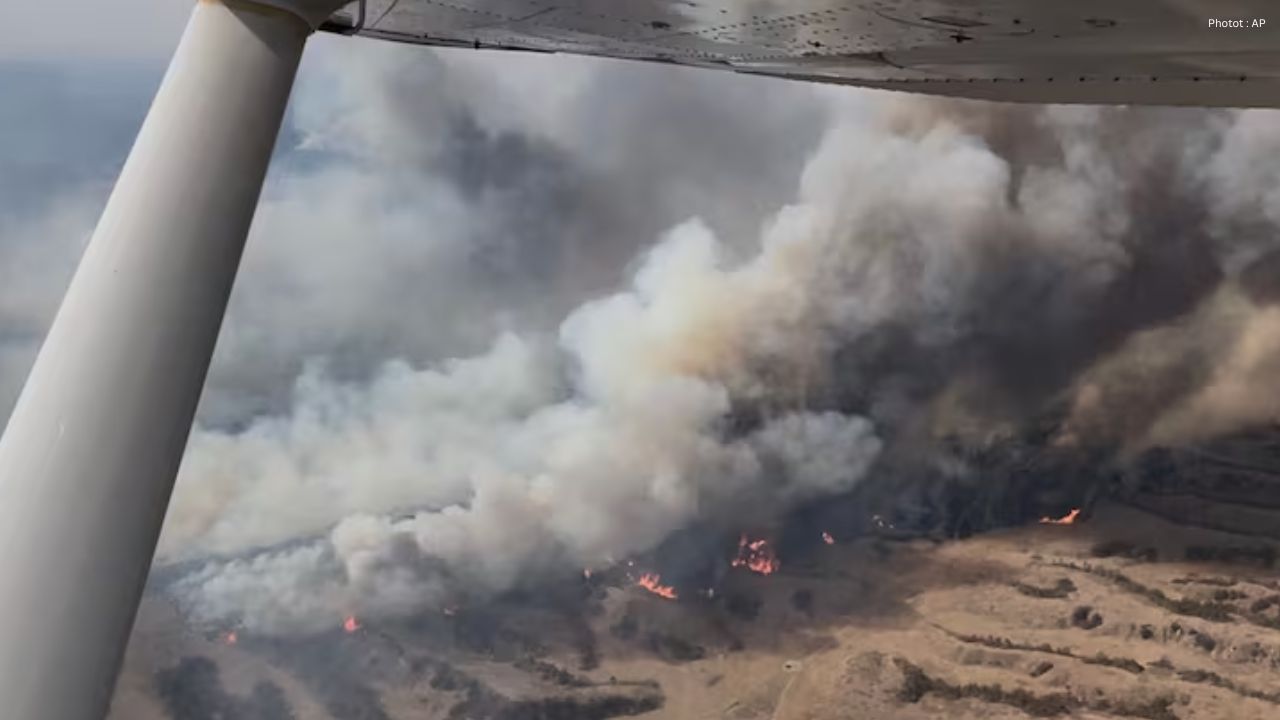
The effects are already visible. Wildfires have started earlier than usual in states like Nebraska and California. In Nebraska alone, fires have burned tens of thousands of hectares, while smaller fires have been reported in parts of California. Experts say these early fires are a sign that vegetation has already dried out enough to carry flames.
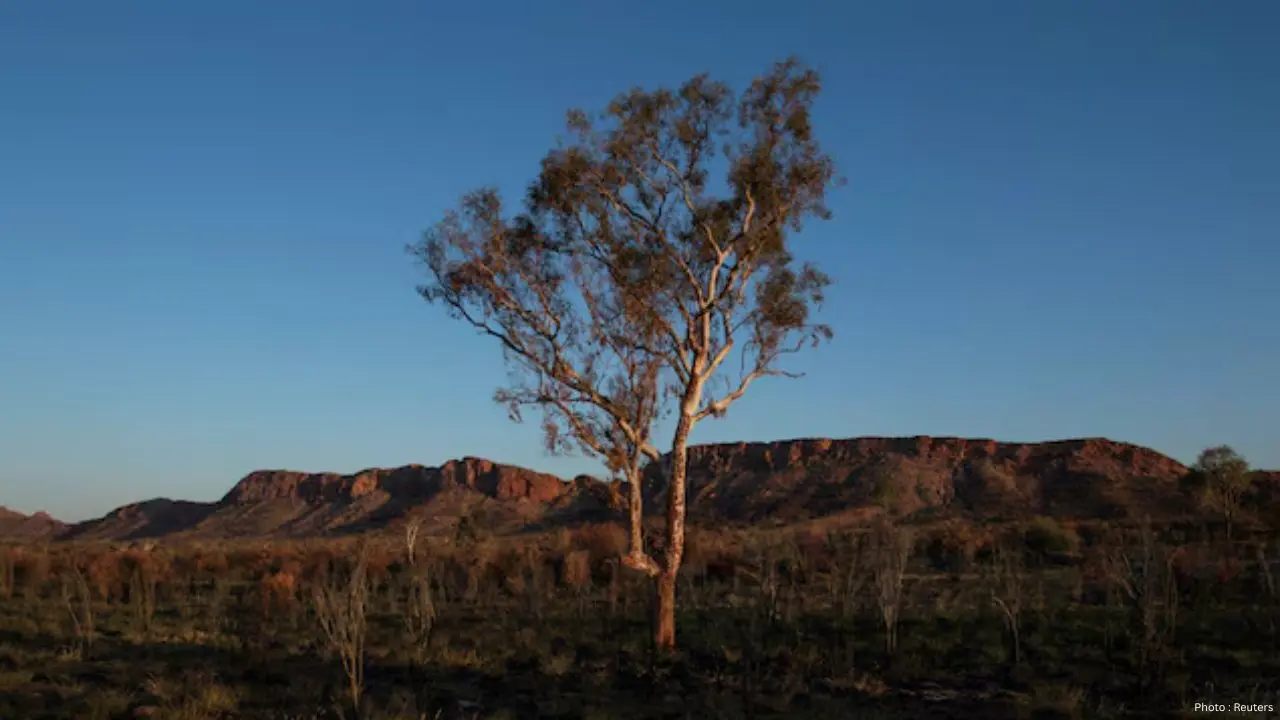
Beyond immediate fire risks, scientists warn that severe wildfires can permanently change landscapes. Intense fires can destroy seeds and soil quality, preventing forests from growing back. In some cases, forests may be replaced by grasslands or shrubs, which can further increase fire risk in the future.
Experts say there are still ways to reduce the impact. In years with higher snowpack, controlled or prescribed burns can help reduce excess vegetation and lower wildfire intensity. However, with ongoing climate change, low-snow years are becoming more common, making long-term planning more challenging.
The situation in the United States also raises concerns for neighboring regions, including Canada. Scientists note that similar patterns of low snowpack, rising temperatures, and drought conditions could increase wildfire risks across North America.
While conditions may still change depending on future weather patterns, experts say the current signs point toward a difficult fire season ahead. Many are now hoping for cooler temperatures and more rainfall in the coming weeks to reduce the growing risk.