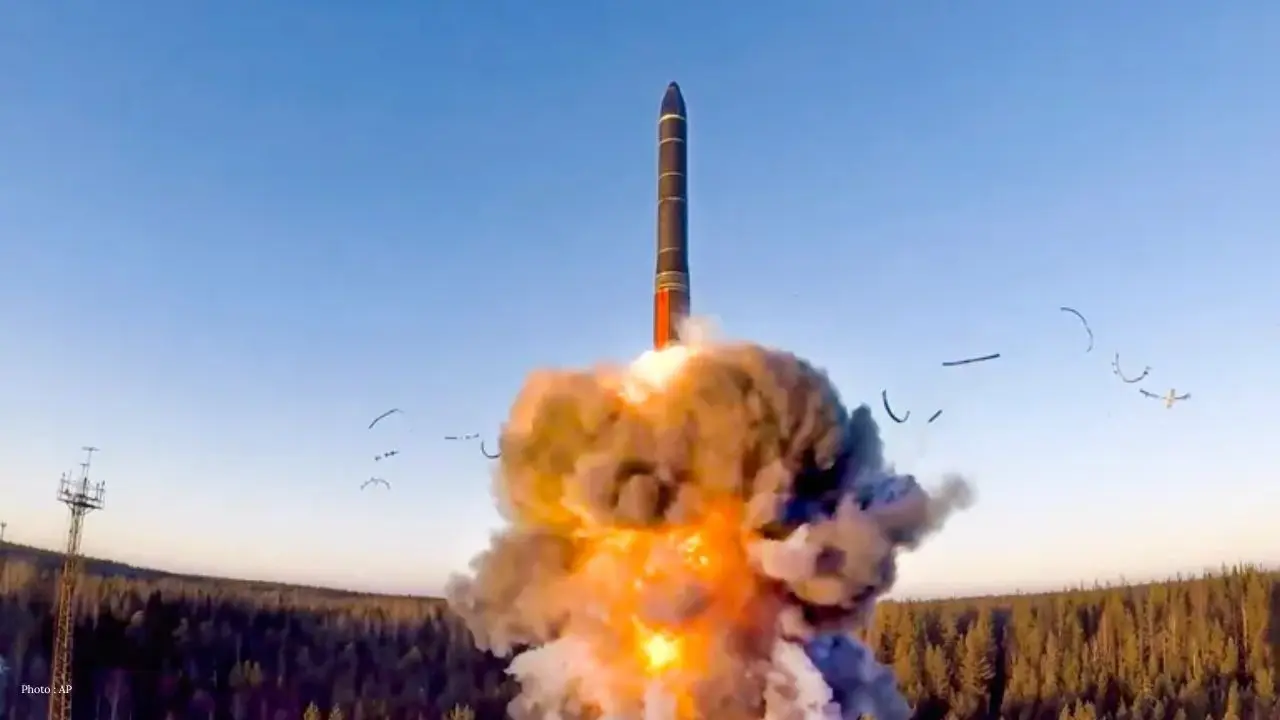
Global spending on nuclear weapons reached a record high of $119 billion in 2025, according to a new report released by the International Campaign to Abolish Nuclear Weapons (ICAN). The advocacy group said the world's nine nuclear-armed countries increased their combined spending by $16.8 billion compared with the previous year, highlighting a growing focus on modernizing and maintaining nuclear arsenals.
The report, published on Tuesday, showed that nuclear powers spent a combined $471 billion over the last five years. ICAN warned that all nine countries possessing nuclear weapons intend to retain their arsenals for decades, despite international efforts aimed at reducing the threat posed by such weapons.
The United States remained by far the largest spender. According to ICAN's estimates, Washington spent approximately $69.2 billion on its nuclear forces in 2025, an increase of $12.6 billion from the previous year. The amount exceeded the combined spending of all other nuclear-armed nations.
China ranked second with an estimated expenditure of $13.5 billion. The United Kingdom followed with spending of $12.6 billion, while Russia allocated about $9.5 billion and France spent roughly $7.7 billion.
Other nuclear powers also continued investing in their arsenals. India was estimated to have spent $2.8 billion, while Pakistan, Israel and North Korea allocated smaller amounts. North Korea recorded the lowest spending among the nine countries, with an estimated $656 million.
ICAN criticized the continued rise in military spending on nuclear weapons, arguing that governments are investing heavily in destructive capabilities while reducing support for other international priorities. In a summary accompanying the report, the organization said countries have been scaling back commitments in areas such as climate change adaptation and multilateral diplomacy.
According to ICAN, the growing investment in nuclear programmes reflects a willingness to devote resources to weapons development instead of strengthening international cooperation and addressing global challenges.
The report was released one day after the Stockholm International Peace Research Institute (SIPRI) warned that nuclear-armed states were moving away from previous commitments aimed at reducing nuclear stockpiles. SIPRI said countries are increasingly focusing on upgrading and expanding their existing arsenals.
The world's nine nuclear powers are believed to possess more than 12,000 nuclear warheads, with the overwhelming majority held by the United States and Russia. Although the overall number of warheads has declined significantly since the Cold War, experts have raised concerns that modernization programmes and geopolitical tensions could increase the risk of a new arms race.
Efforts to promote nuclear disarmament have continued through international agreements. In 2017, the United Nations adopted the Treaty on the Prohibition of Nuclear Weapons, the first legally binding global agreement banning nuclear weapons. The treaty prohibits countries from developing, testing, producing or acquiring nuclear arms.
To date, 99 countries have signed, ratified or joined the treaty. However, none of the nations possessing nuclear weapons have become parties to the agreement.
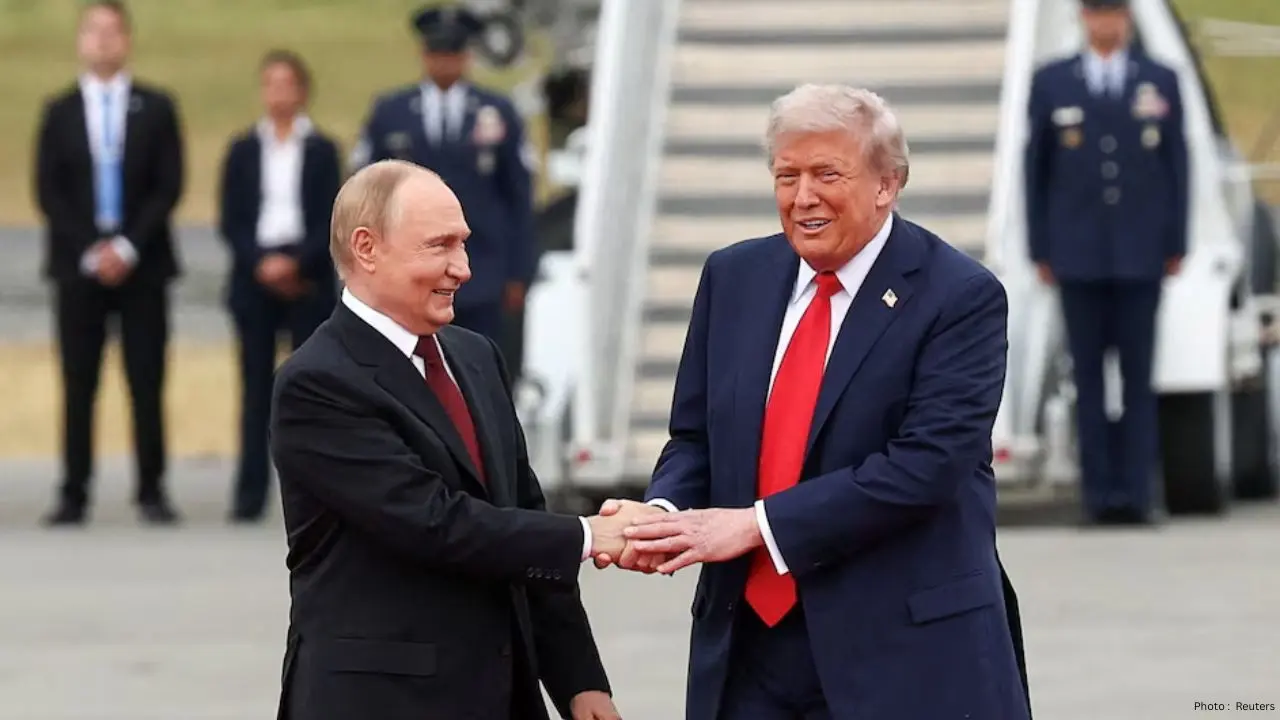
For decades, the United States and Russia maintained arms control agreements designed to limit the size of their nuclear arsenals. Beginning in the early 1990s, both countries signed several treaties aimed at reducing strategic weapons. However, the New START treaty, the last remaining major agreement between the two countries, expired in February without being replaced by a new accord.
Security experts have warned that the absence of fresh arms control agreements, combined with increased defence spending and growing geopolitical tensions, could make future efforts to limit nuclear weapons more difficult.
As governments continue to invest heavily in modernizing their nuclear forces, concerns about global security and the future of nuclear disarmament are expected to remain high. Analysts say renewed diplomatic efforts and international cooperation will be essential to preventing a new era of nuclear competition.
Stay connected with us for all the latest major updates.