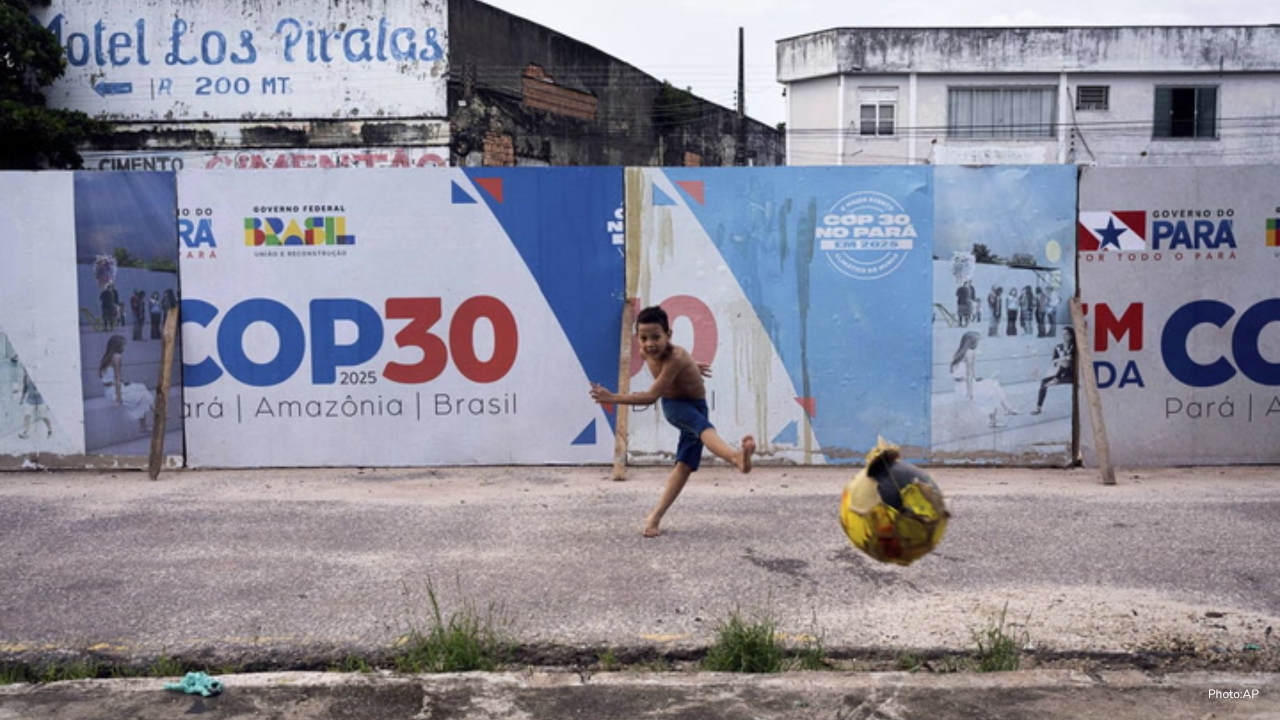
The United Nations Climate Change Conference, COP30, is set to take place in November 2025 in Belém, Brazil. This city is located at the mouth of the Amazon River and is near the Amazon rainforest. The location is significant because it marks the first time that the COP conference will be held in the Amazon region. The choice of Belém as the host city is deliberate. It is meant to draw attention to the urgent need to fight climate change while also addressing poverty and deforestation in the region.
The COP conferences are annual meetings where countries from around the world gather to discuss global climate change, share plans to reduce greenhouse gas emissions, and create agreements that help protect the planet. COP30, in particular, is expected to focus on solutions that benefit not just the environment, but also disadvantaged communities living near vulnerable areas like the Amazon rainforest.
André Corrêa do Lago, the President-designate of COP30, emphasized that the conference would highlight ways to support these communities while protecting natural ecosystems. He hopes that the decisions made during the conference will create long-term benefits for both people and the planet.
However, organizing such a massive event in Belém comes with challenges. One of the main concerns is accommodation for participants. As the conference date approaches, many have raised questions about whether the city has enough hotel rooms and other lodging options for the thousands of visitors expected to attend. Despite years of preparation, Belém faces significant infrastructure challenges.
Hotel rooms are limited, and prices have increased sharply. For example, staying in a hotel for the entire 15-day conference could cost around $229,000. This is an enormous amount and is even more than the cost of buying a four-bedroom apartment in one of the city’s top neighborhoods.
To help participants, the Brazilian government has introduced some affordable lodging options. These include cruise ships and discounted hotel rooms, with prices ranging from $200 to $600 per night. While this might seem reasonable for some visitors, it is still expensive for many activists, youth delegates, and representatives from Indigenous communities who may be attending from poorer countries.
Adding to the difficulty are construction delays and infrastructure issues in the city. Some projects meant to improve transportation and lodging have been delayed, making it even harder for people to move around the city during the conference. UN officials have suggested reducing the size of delegations to help ease these problems, but this raises another issue: smaller delegations may mean fewer young people and civil society representatives at the conference.
This could reduce the inclusivity of the event. COP conferences are meant to be a platform for all voices, including those from vulnerable communities, to participate in climate decision-making. If these groups are underrepresented, it may affect the effectiveness of the summit.
Another significant concern for COP30 is the environmental impact of local construction projects. One of the most controversial projects is a new 13-kilometer expressway called “Liberdade.” This road cuts through one of Belém’s last remaining areas of rainforest. Critics argue that building the road goes against the main purpose of the conference, which is to protect nature and fight climate change.
Even if construction follows regulations, there are fears that it could encourage illegal development and cause long-term ecological damage. The road is scheduled to open just days before the conference begins on November 10, which has led to even more scrutiny and criticism from environmentalists.
Despite these challenges, COP30 offers a unique opportunity to connect global climate goals with the reality of life in the Amazon. The conference is expected to be a platform for countries to discuss how they can work together to reduce carbon emissions, protect rainforests, and support communities that are most affected by climate change.
The Amazon rainforest is often called the “lungs of the Earth” because it absorbs large amounts of carbon dioxide and produces oxygen. Protecting it is crucial not only for Brazil but for the entire planet.
One of the main goals of COP30 will be to address deforestation, which is a major problem in the Amazon. Illegal logging, mining, and land clearing for agriculture have destroyed large parts of the forest over the years.
This deforestation contributes to climate change because fewer trees are available to absorb carbon dioxide. Moreover, it harms Indigenous and local communities who depend on the forest for their survival. By hosting the conference in Belém, organizers hope to shine a spotlight on these issues and encourage international cooperation to prevent further damage.
In addition to deforestation, COP30 will also focus on climate adaptation and social development. Many people living near the Amazon are poor and face multiple challenges, such as lack of access to clean water, health services, and sustainable jobs. Climate change often makes these problems worse. For example, floods, droughts, and rising temperatures can destroy crops, harm fisheries, and make life more difficult for families. By combining environmental protection with social development, COP30 aims to find solutions that help both people and nature.
Another key issue is the involvement of youth and civil society. Young people and activists have played an important role in recent climate conferences. They bring energy, creativity, and a sense of urgency to the discussions.
However, the high costs of accommodation and travel may prevent some of them from attending. This could limit the diversity of voices at COP30. Ensuring that young people and civil society groups can participate fully is essential for a fair and effective conference.
The Brazilian government is aware of these challenges and is taking steps to address them. Besides offering more affordable lodging, officials are working to improve transportation, security, and other services in the city.
They hope that these measures will make the conference accessible to a wide range of participants. Still, many observers warn that more needs to be done to ensure that the event is inclusive, safe, and environmentally responsible.
Environmentalists and climate experts have also criticized the timing and location of some projects in Belém. For example, the Liberdade expressway may make transportation easier, but its construction threatens the local rainforest.
Critics argue that building a road through such a fragile ecosystem sends the wrong message ahead of a climate summit. The road project has led to protests and calls for more sustainable planning. Organizers now face the difficult task of balancing infrastructure needs with environmental protection.
Another challenge is the impact on local residents. The influx of thousands of international visitors will affect the city’s daily life. Housing shortages, traffic congestion, and increased prices could make life harder for local people. Many worry that the city’s focus on the conference might overlook the needs of residents who live and work in Belém. Ensuring that the benefits of the event also reach local communities is an important goal for the organizers.
Despite these difficulties, COP30 in Belém has the potential to achieve significant progress. Hosting the conference in the Amazon region highlights the global importance of protecting rainforests and addressing climate change. It also provides an opportunity to connect international policies with local realities. By focusing on both environmental and social issues, COP30 can create solutions that benefit everyone, from global leaders to local communities.
One of the main hopes for the conference is that countries will make stronger commitments to reducing greenhouse gas emissions. These commitments are essential to limit global warming to safe levels. The Amazon region is particularly vulnerable to climate change, as rising temperatures and changing rainfall patterns can damage forests and rivers. By making strong pledges at COP30, nations can show that they are serious about protecting the environment and supporting communities at risk.
Another important focus is supporting Indigenous communities. Indigenous peoples have lived in the Amazon for thousands of years and have extensive knowledge of how to manage and protect the forest. Their involvement in COP30 is crucial for creating effective climate solutions. Protecting Indigenous rights and ensuring their participation in discussions is also a way to respect human rights and cultural heritage.
In conclusion, COP30 in Belém, Brazil, is a landmark event for global climate action. It presents both opportunities and challenges. The location in the Amazon draws attention to the urgent need to protect forests, fight climate change, and support vulnerable communities. At the same time, issues like high accommodation costs, infrastructure limitations, and potential environmental harm create difficulties that organizers must address.
The success of COP30 will depend on the ability of governments, UN officials, civil society, youth groups, and Indigenous communities to work together. By finding solutions that balance environmental protection, social development, and infrastructure needs, the conference can lead to meaningful action for the planet. The world will be watching closely to see whether COP30 can deliver results that protect the Amazon and advance global climate goals.