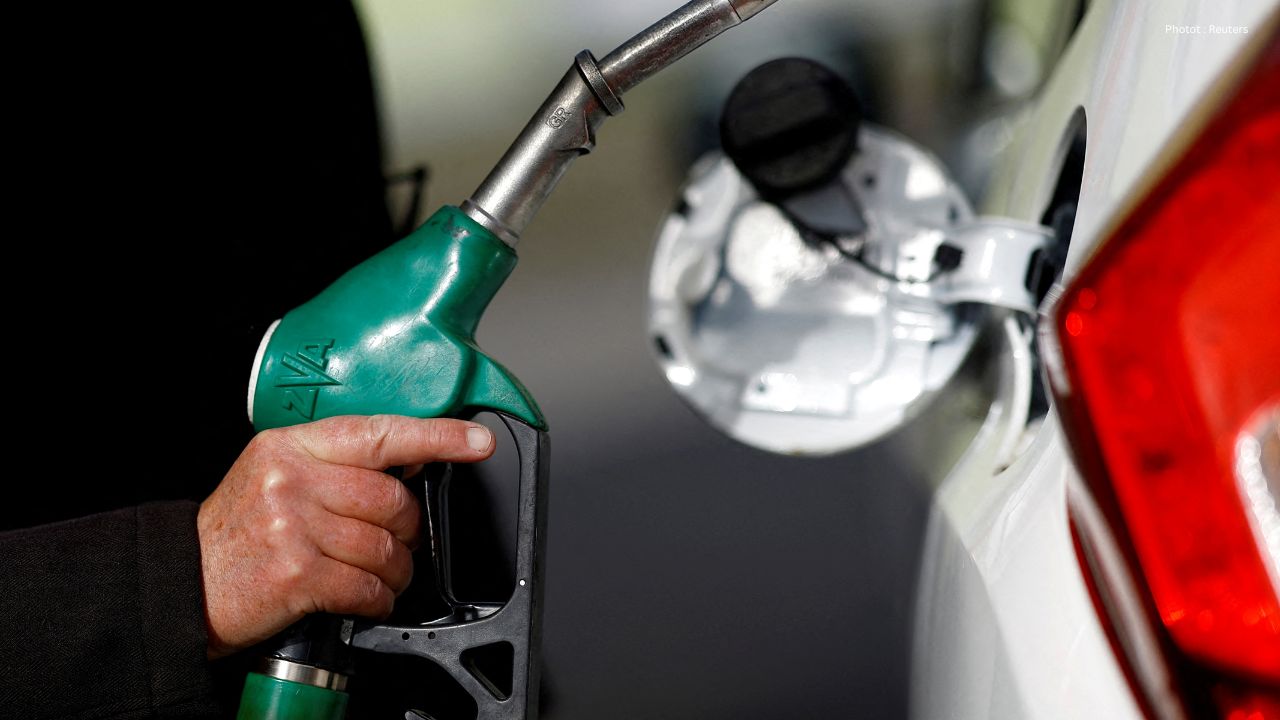
Fuel prices in Canada are rising sharply, creating financial pressure on everyday consumers and leading to growing calls for tax relief. Many drivers across the country say the cost of filling their vehicles has increased significantly in recent weeks, making daily expenses harder to manage.
In Toronto, one driver shared that an amount which previously filled his car is no longer enough. With fuel prices reaching around $1.72 per litre, many Canadians are expressing frustration and concern about how these rising costs are affecting their budgets. Some are even considering switching to electric vehicles as a long-term solution.
The recent increase in fuel prices is closely linked to global events, especially the ongoing conflict involving Iran. Disruptions in oil supply, particularly around the Strait of Hormuz, have pushed global oil prices higher. Since a significant portion of the world’s oil passes through this route, any disruption has a direct impact on fuel costs worldwide, including in Canada.
As a result, pressure is growing on both federal and provincial governments to provide some relief. The Canadian Taxpayers Federation has renewed its call for a temporary suspension of fuel taxes. According to the group, taxes on gasoline can account for a large portion of the final price, sometimes reaching up to 65 cents per litre in certain regions. They argue that reducing or removing these taxes, even temporarily, could help ease the burden on consumers.
While Canada has not yet introduced any tax cuts, several countries have already taken action. Nations such as Italy, Spain, Ireland, and Portugal have implemented temporary fuel tax reductions to support their citizens. In Australia, the government has reduced fuel taxes by half for a limited period and introduced additional measures like free public transport in some areas to reduce fuel demand.
In contrast, Canadian officials have taken a more cautious approach. The federal government has stated that it is closely monitoring the situation but has not committed to any immediate tax relief. Instead, efforts are focused on stabilizing the market by increasing oil supply and working with international partners. Measures such as releasing strategic oil reserves and boosting domestic production are being considered to manage the situation.
Despite these efforts, many experts and advocacy groups believe more direct action is needed. They argue that without tax relief, rising fuel costs will continue to impact households, businesses, and the overall economy.
As global uncertainty continues, the debate over fuel taxes and affordability in Canada is expected to grow stronger in the coming weeks.