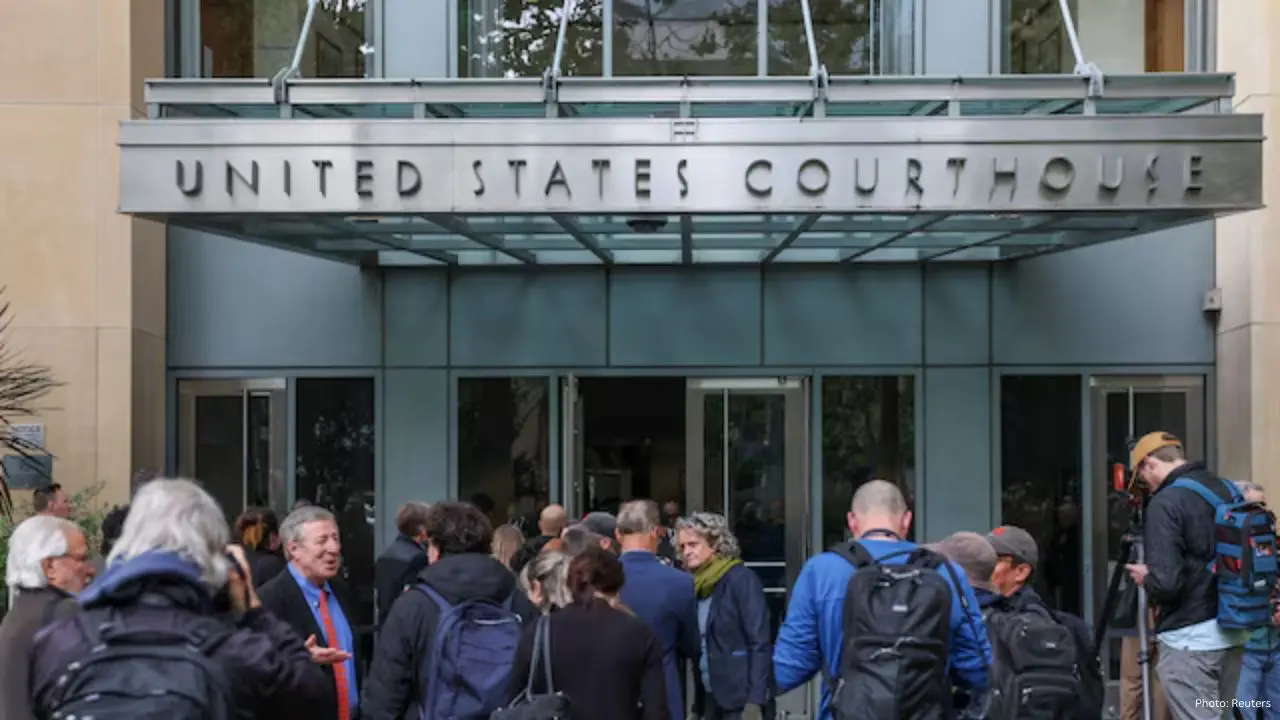
The highly anticipated trial involving Elon Musk and Sam Altman has commenced, spotlighting a significant dispute over the direction of OpenAI. Hosted in a U.S. courtroom, this case is poised to influence the trajectory of artificial intelligence.
Elon Musk, an early advocate and co-founder of OpenAI, has voiced serious concerns regarding the organization's evolution. He argues that OpenAI began as a non-profit entity, aimed at using AI for societal benefit, but has since shifted to prioritizing profit-driven motives, undermining its initial mission.
Contrarily, Sam Altman and OpenAI's current leadership have dismissed Musk's assertions. They contend that these transitions were integral for the sustained development of advanced AI systems. They argue that fostering cutting-edge artificial intelligence necessitates substantial financing, infrastructural capabilities, and collaborations that a non-profit framework cannot support.
This legal proceeding will delve into vital matters surrounding organizational structure, governance, and resource allocation. It aims to scrutinize whether OpenAI's foundational aims have been modified in ways that jeopardize public confidence.
The stakes in this legal battle extend beyond the company itself, prompting broader discussions on the optimal development of AI. Some advocate for AI to remain open and aligned with public interests, while others argue that private funding is crucial for progress.
As artificial intelligence integrates further into daily life—impacting sectors like healthcare, education, finance, and communication—the growing concerns about oversight, safety, and equity are becoming more pronounced.
A central issue in this case is trust; alterations to foundational values can lead to skepticism among users and investors alike. For maintaining confidence in these powerful technologies, transparency and robust communication are essential.
Yet, the imperative for innovation remains. Companies must relentlessly refine their AI technologies to remain relevant, often through considerable investment and partnerships.
The verdict of the Elon Musk vs. Sam Altman trial could set a precedent influencing future operations of AI organizations. It might yield stronger regulations, enhanced transparency, and clearer rules for managing sophisticated technologies.
Experts suggest that this case could also shift government perspectives on AI regulations. With the increasing capabilities of technology, robust legal frameworks ensuring safety while enabling innovation are becoming increasingly essential.
This trial illustrates how divergent visions can engender major disputes. What began as a shared aspiration among leaders has morphed into a legal confrontation that could define the industry's future landscape.
As court sessions progress, the spotlight will remain on OpenAI's governance and prospective direction. The ruling could serve as a guiding example for other entities in the artificial intelligence arena.
This case underscores the crucial challenge of harmonizing innovation with accountability. As AI technology continues to advance, achieving this balance will be vital for cultivating a future that is equitable and beneficial for all.