Photo:Reuters
I have gathered recent, well-researched information and success stories about wildfire prevention and control efforts in 2025 from multiple reputable sources. I will now craft a comprehensive editorial article in simple, clear English that is accessible to a broad audience. This article will be professionally structured and detailed to reflect a high editorial standard, covering how preparedness, natural habitat restoration, modern technology, policy initiatives, and community engagement are collectively helping hold wildfires early and reduce their severity. I will develop this into a thorough, lengthy editorial approximation in a news style.
Please allow me a moment to prepare the detailed editorial.How Early Preparedness Helps Hold Wildfires Early: A Deep Look into 2025 Wildfire Success
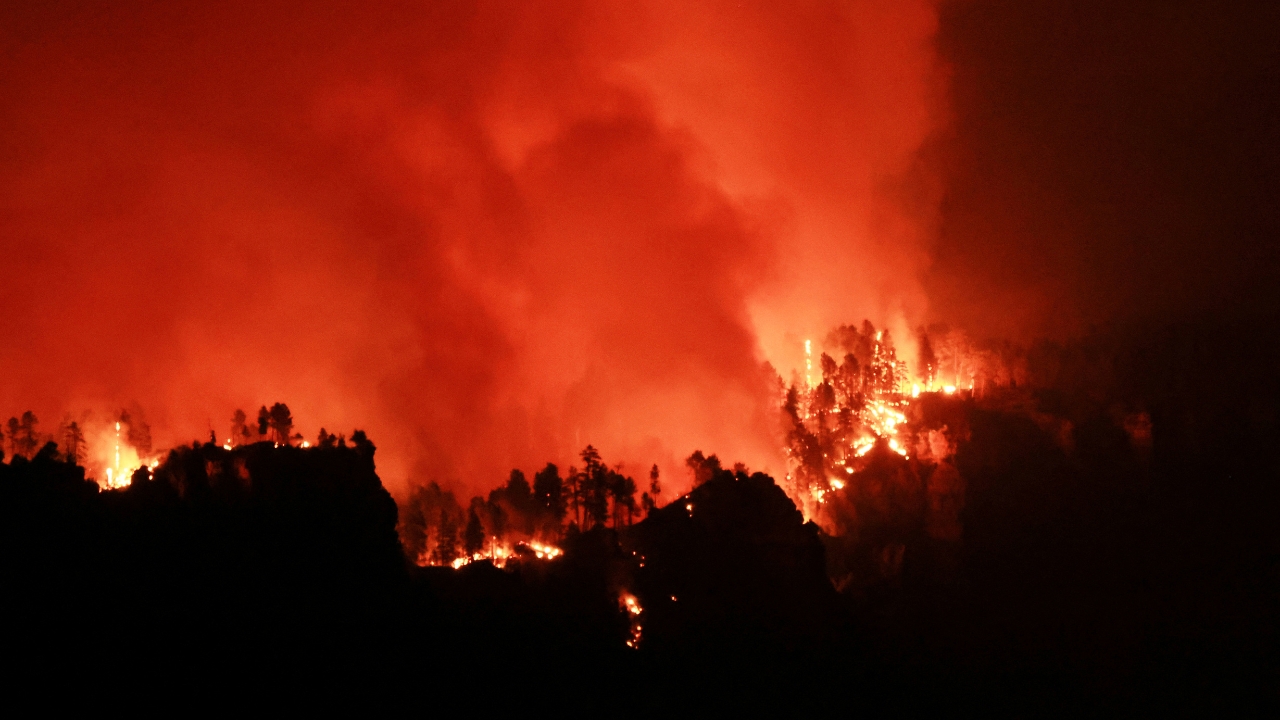
Each year, wildfires threaten lives, homes, and nature across many parts of the world. The rising threat is driven by hotter, drier weather that fuels larger and more intense fires than ever before. But in 2025, many places have shown encouraging signs that early preparedness can make a real difference in controlling wildfires before they spread widely.
Why Wildfire Threat is Growing
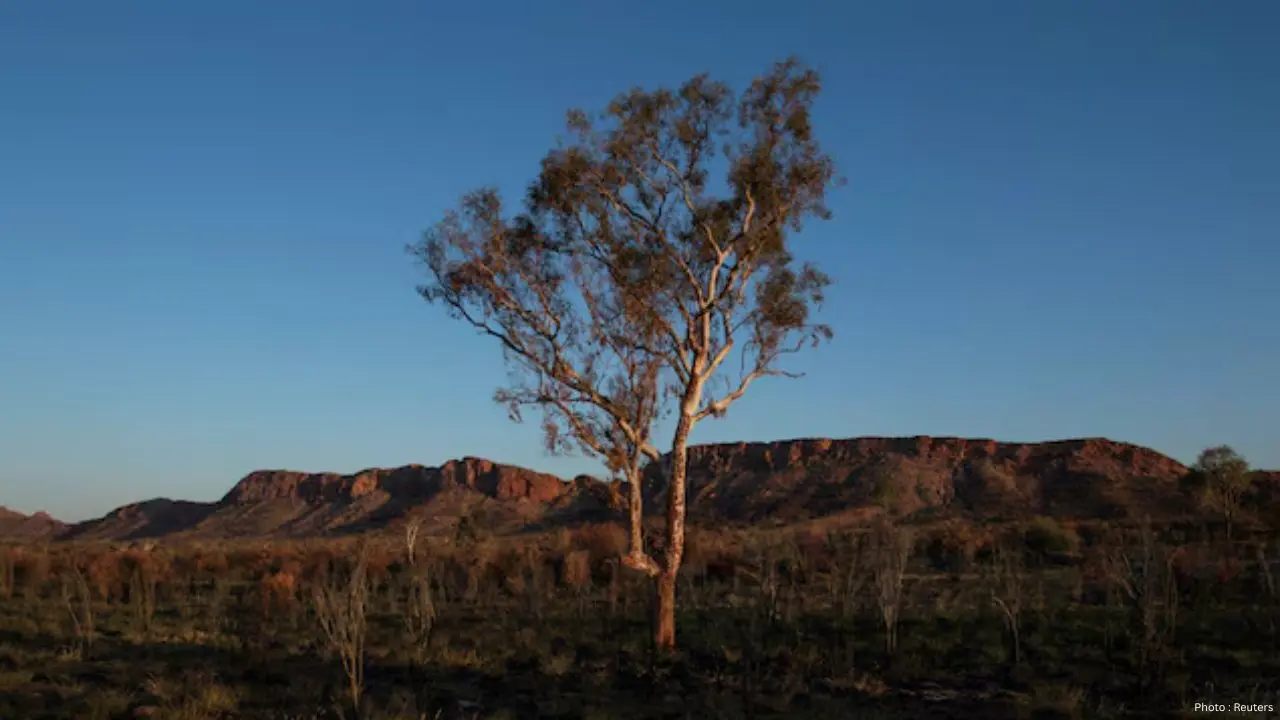
Wildfires are naturally occurring in many ecosystems. But climate change, with higher temperatures and longer dry seasons, has made conditions more dangerous. Areas used to moderate fire risks are now facing bigger threats from wildfires. For example, parts of the southern United States, previously less affected, are now seeing more wildfire activity due to dry winds and leftover dead wood from storms.
The problem is that when wildfires grow unchecked, they can destroy homes, livelihoods, health, and wildlife habitats at frightening speed. They also release vast amounts of carbon stored in trees and soils, worsening climate change. This has prompted governments, scientists, and communities to seek better ways to prevent and contain fires early.
Strengthening Early Preparedness: The First Line of Defense
In many regions, the key to reducing wildfire impact lies in early action long before fires start to grow. This includes planning, monitoring, readiness, and quick response.
-
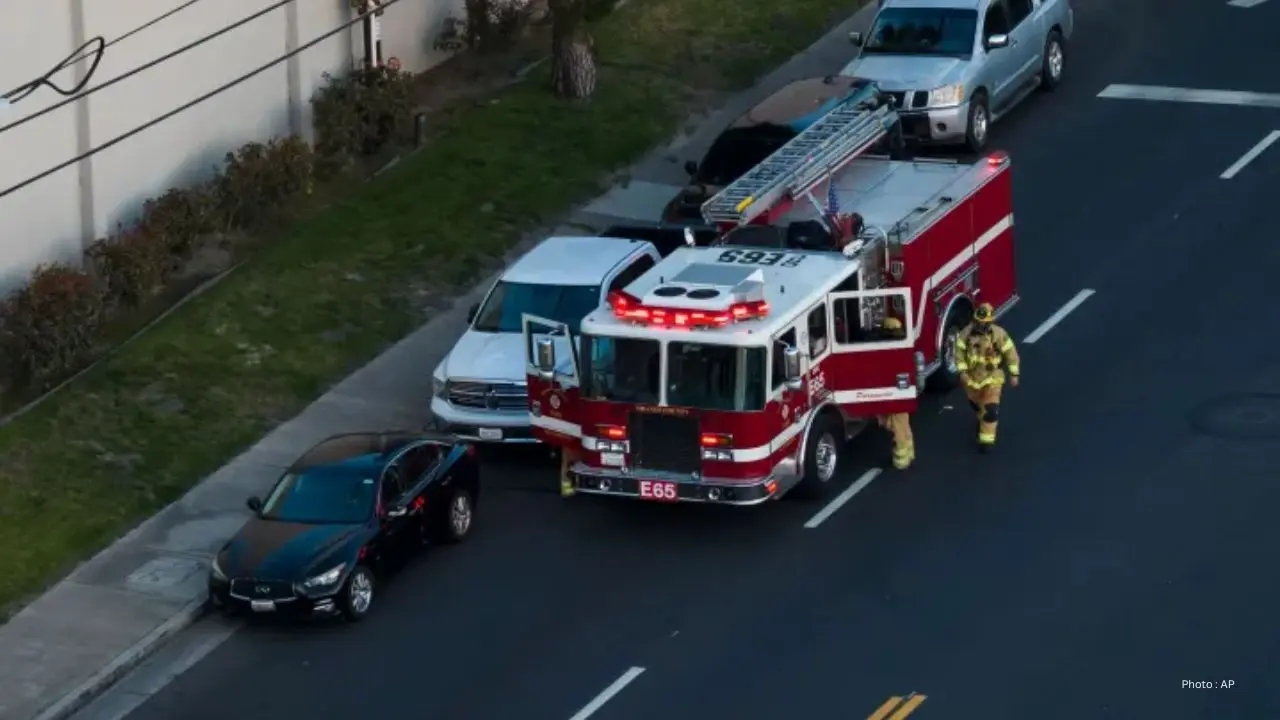
Planning and Ready Teams: Firefighters, emergency crews, and aviation resources are positioned strategically based on weather forecasts and risk maps to tackle fires quickly at their start.
-
Monitoring and Early Warnings: Advances in sensors and satellite technology allow officials to detect smoke and heat early and predict fire risk zones. This helps warn communities swiftly to prepare or evacuate if needed.
-
Community Education and Involvement: Campaigns like FireFree empower people to make their homes safer by clearing flammable materials and practicing fire-ready habits.
States like Oregon, California, and New Mexico have introduced wildfire resiliency programs funded to improve protection, prevention, and response. These programs also update building codes and create hazard maps to reduce risk exposure to homes and businesses.
Nature’s Role: Restoring Landscapes to Resist Fire
Healthy natural habitats are vital in reducing wildfire risk. Complex ecosystems with diverse native plants and animals help keep fire intensity lower.
Experts have found that restoring wetlands, peat bogs, and native forests can act like natural firebreaks because wetter soils and varied landscapes slow fire spread. For instance:
-
Wetlands and Peatlands: Restoring water-retaining soils creates damp areas that catch fire less easily.
-
Grazing Animals: The presence of animals like cattle, horses, and bison creates habitats that are mixed and less flammable by eating dry vegetation and disturbing leaf litter.
-
Beaver Dams: Beavers build wetlands and ponds that greatly reduce fire risks locally and create natural firebreaks along rivers.
Projects in Britain’s Saddleworth Moor and the Lake District have shown how rewetting and restoring native plants have protected areas from severe fire damage. These nature-based solutions not only prevent wildfires but also store carbon, helping fight climate change at its root.
Advances in Technology: Smarter Tools for Faster Response
In 2025, wildfire management is benefiting from innovative technology:
-
Customized Sensors: Low-cost, low-power sensors deployed in fire-prone areas monitor smoke, air quality, and environmental conditions. They provide real-time data to inform controlled burns and early fire detection.
-
Satellite and Drone Surveillance: These tools help identify hotspots, assess fire spread, and guide firefighting efforts more effectively.
-
Data-Driven Risk Management: Using technology, agencies can better plan prescribed burns that reduce fuel buildup while monitoring their environmental impact.
Such modern tools complement traditional firefighting and prevention methods by increasing precision and faster responses.
Active Forest Management: A Balanced Debate
There is ongoing discussion about how best to manage forests to reduce fire risk. Some experts advocate for thinning forests, controlled burns, and removing dead wood to revert forests to safer, more natural conditions. This approach is supported by recent legislation aimed at increasing funding for these efforts.
However, others warn that excessive logging and aggressive burning may harm ecosystems, reduce biodiversity, and potentially create conditions for worse fires. The debate stresses the importance of careful, science-based management tailored to local ecosystems.
The Power of Community and Policy
Wildfire prevention success is not possible without strong policies and engaged communities. Governments at state and local levels are passing laws to support wildfire resiliency, provide funding for mitigation projects, and enforce safer building standards.
Community programs educate and activate residents to prepare homes and respond safely to wildfire threats. Keeping communication open between officials and the public strengthens trust and ensures timely action.
Challenges Ahead and Lessons Learned
Though significant progress has been made in early wildfire control in 2025, challenges remain:
-
Increasing wildfire threats require ongoing adaptation and investment.
-
Climate change continues to worsen fire weather, making prevention efforts more critical.
-
Balancing ecosystem health and fire risk management requires careful research and monitoring.
-
Community preparedness must be sustained and expanded, especially in vulnerable regions.
The successes this year show that with the right combination of science, nature, technology, policy, and people working together, wildfires can be controlled earlier and more safely.