A new opinion article published amid the ongoing Iran crisis has sparked discussion over how media and public opinion react to failed diplomatic efforts during international conflicts. The article, titled “Derided We Fell On Iran,” focused on the breakdown of recent peace talks involving Iran and the United States and criticized what it described as a growing tendency to mock mediation attempts instead of seriously examining their importance.
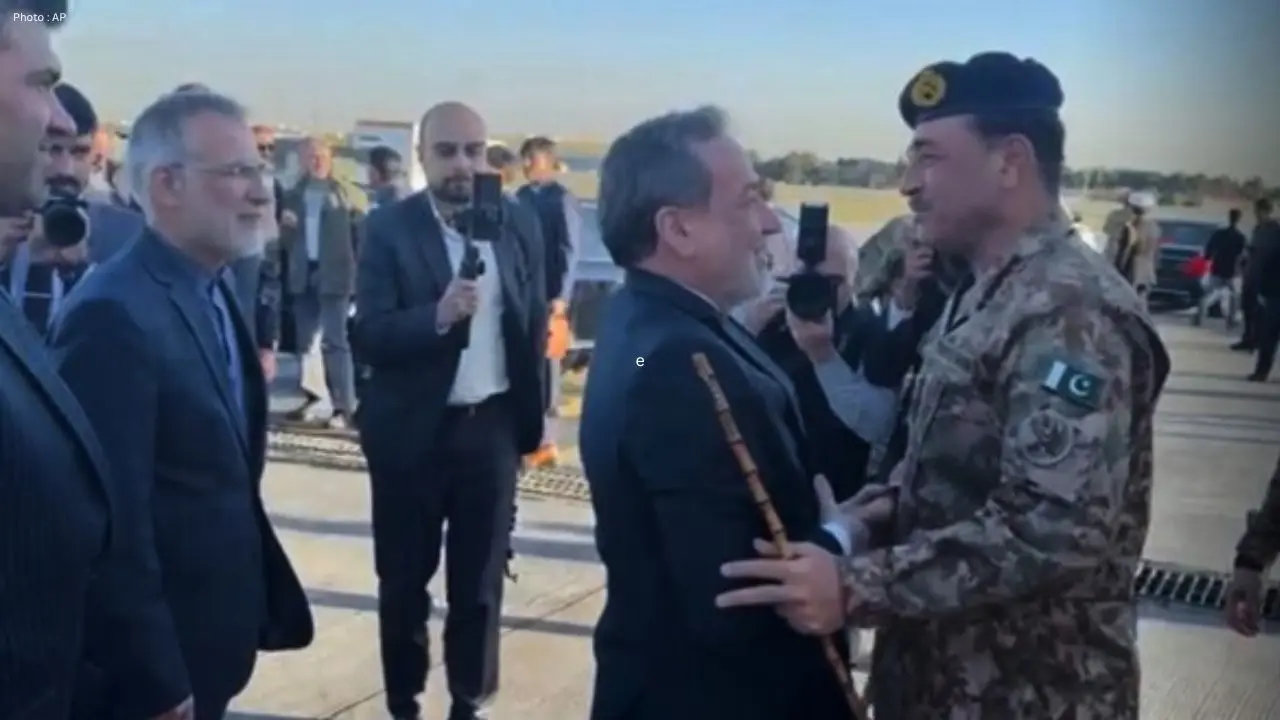
The article was written by Indian politician and academic Manoj Kumar Jha and published by Outlook India. It discussed reports that Pakistan had attempted to position itself as a mediator between Iran and the United States during recent negotiations linked to rising Middle East tensions. According to the writer, parts of the media reacted to those efforts with ridicule rather than serious diplomatic analysis.
The opinion piece argued that diplomacy should not be treated as entertainment or political theater, especially during periods of global instability. It stated that even unsuccessful negotiations can still play an important role in preventing larger conflicts and reducing tensions between countries. The article suggested that mocking failed peace efforts reflects a deeper problem in modern political discourse, where public debate increasingly focuses on “winners and losers” rather than long-term stability and peace.
The article also highlighted the wider consequences of failed negotiations between Iran and the United States. It warned that a collapse in diplomatic talks could further destabilize the Middle East, increase pressure on global oil markets, and raise the risk of military escalation in an already tense region. The writer emphasized that international diplomacy often involves slow and complicated processes where even partial progress matters.
The discussion comes at a time when tensions around Iran remain high following military confrontations, sanctions disputes, and growing concerns over shipping security in the Strait of Hormuz. Several countries, including Pakistan and Gulf nations, have reportedly tried to support indirect talks between Washington and Tehran in order to avoid another major conflict in the region.
The article further argued that countries attempting mediation are often motivated not only by peace efforts but also by geopolitical interests and the desire to increase diplomatic influence. However, it maintained that such efforts still deserve careful attention because they can create opportunities for communication between rival powers.
Political analysts say public reactions to international diplomacy have changed significantly in recent years because of social media and highly polarized news coverage. Experts believe diplomatic negotiations are now frequently presented in simplified ways that focus more on political rivalry and national pride than on the difficult realities of conflict resolution.
The article also indirectly raised concerns about how South Asian politics influences reactions to Middle East events. According to the writer, geopolitical rivalries sometimes shape public attitudes so strongly that even peace efforts by rival nations are viewed negatively regardless of their purpose.
While the piece was presented as commentary rather than breaking news, it has attracted attention because it appeared during an important period of negotiations involving Iran, the United States, and several regional actors. Ongoing diplomatic discussions continue as world leaders try to prevent further escalation in the Middle East and protect international energy routes from disruption.