After a lengthy 16-year legal struggle, a Canadian man has been denied the chance to reclaim over C$1.2 million (£651,000) in cash that was seized from his residence during a police operation back in 2009.
In the course of investigating an illegal firearm, police uncovered this considerable amount of money concealed in various spots in Marcel Breton’s northwestern Ontario home. They also found a selection of drugs and other drug-related items.
Initially convicted on multiple charges, Breton was later acquitted at retrial upon demonstrating that the search had been conducted unlawfully. However, the status of the confiscated money lingered in uncertainty for many years.
Recently, an Ontario appeals court affirmed a decision made in 2023 regarding the forfeiture of the majority of the seized funds to the Canadian government. This ruling brings an end to Breton’s prolonged efforts to retrieve the bulk of the money.
The judge determined that Breton did not possess the cash lawfully. Approximately C$1,235,620 was discovered buried beneath his garage, with an additional C$32,000 found in different spots within the garage, and bundles totaling $15,000 were found in the heating vents of his living room.
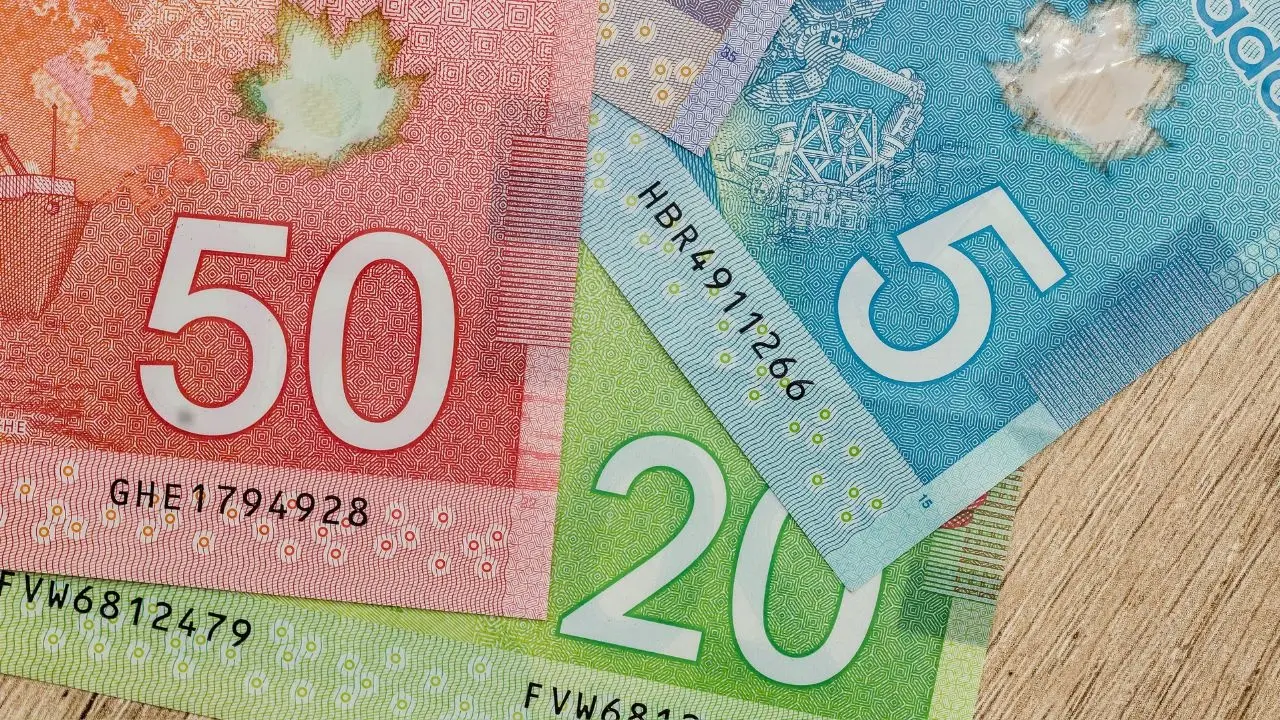
It was observed that it is “uncommon for an average individual to store such a significant amount of cash underground.” An expert witness testified that the prevalence of C$20 bills typically points to associations with drug-related activities. The proximity of the cash to the discovered drugs further raised suspicions of criminal conduct.
Adding to the evidence, Breton had failed to report any income to the Canada Revenue Agency from 2001 to 2008, reinforcing the court's belief that the funds were likely acquired illegally.
Nevertheless, the appeals court stated that the $15,000 found in the vents should be returned to Breton, as it was not bundled in the same denominations as the money from the garage, making it impossible to conclude its lawful origin.
This case marks the finale of one of the most protracted disputes regarding seized assets in Canadian legal history, demonstrating the intricate balance between criminal law and property rights.