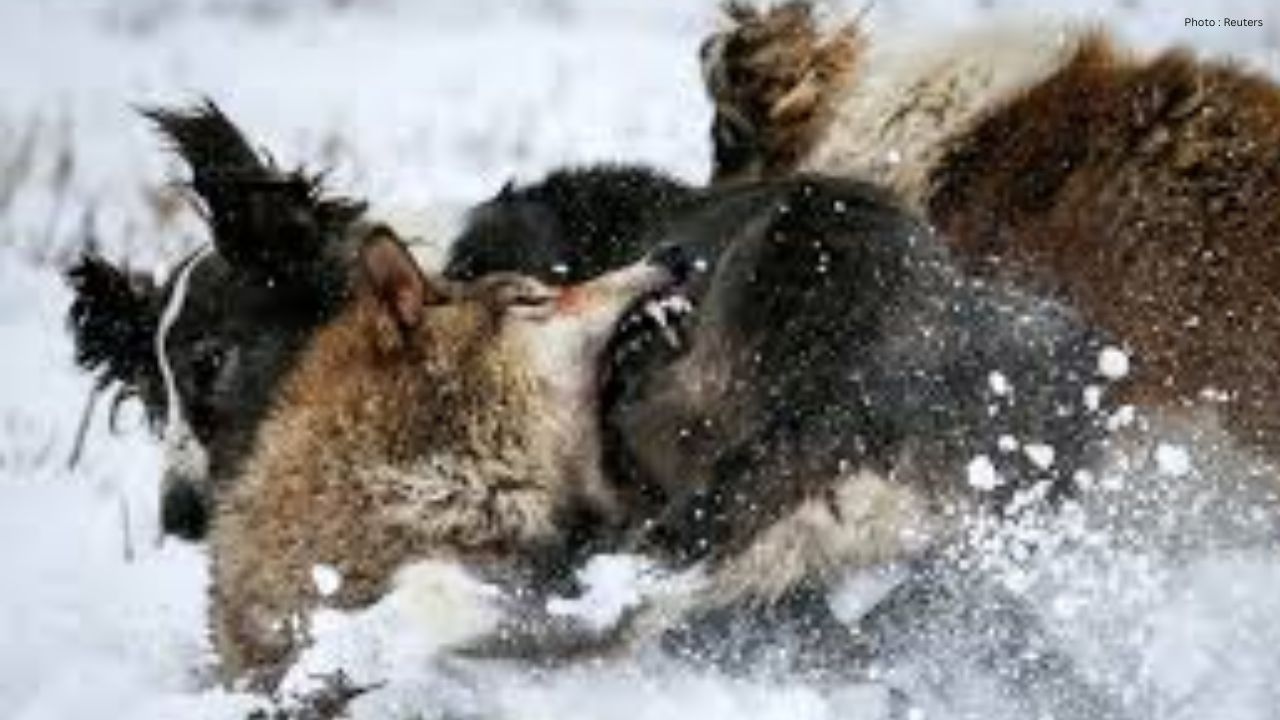
Wildlife advocacy groups have expressed strong concern after Health Canada approved the emergency use of strychnine in parts of western Canada. The decision allows controlled use of the poison in Alberta and Saskatchewan to deal with a growing population of Richardson’s ground squirrels, commonly known as gophers.
The approval follows a revised request from both provinces after an earlier proposal was rejected. Authorities say the updated plan includes additional safety measures designed to reduce environmental risks. The use of strychnine will be temporary and limited, with permission granted until November 2027.
Government officials say the decision is aimed at helping farmers who have reported significant crop damage caused by gophers. These animals can destroy farmland and infrastructure, leading to major financial losses. Officials believe that allowing strychnine provides farmers with an effective tool to manage the problem.
However, environmental and animal welfare groups have criticized the move. Organizations such as Animal Alliance of Canada and Animal Justice argue that the poison is dangerous not only to gophers but also to other wildlife. They warn that animals that eat poisoned bait or carcasses can suffer severe and painful deaths.
Experts say the poison can spread beyond the intended targets, affecting predators and other species, including those already at risk. Animals like foxes, owls, and hawks may consume poisoned rodents and become victims themselves. This raises concerns about long-term damage to ecosystems.
In response, federal officials have stated that the revised plan includes measures to limit unintended harm. They say the decision balances the need to protect agriculture with efforts to reduce environmental impact.
Some experts and conservation groups suggest alternative methods to control gopher populations. These include encouraging natural predators such as coyotes and hawks, using fencing, and managing food sources that attract pests. Another method involves using gases like carbon monoxide in burrows, which is considered more targeted and less harmful to other species.
Despite these alternatives, many farmers say they need immediate and effective solutions to protect their livelihoods. Experts note that managing wildlife conflicts often involves difficult trade-offs, and complete solutions are rarely possible.
The debate highlights the ongoing challenge of balancing agricultural needs with environmental protection. While the emergency use of strychnine may provide short-term relief for farmers, critics stress the importance of finding safer and more sustainable long-term solutions.