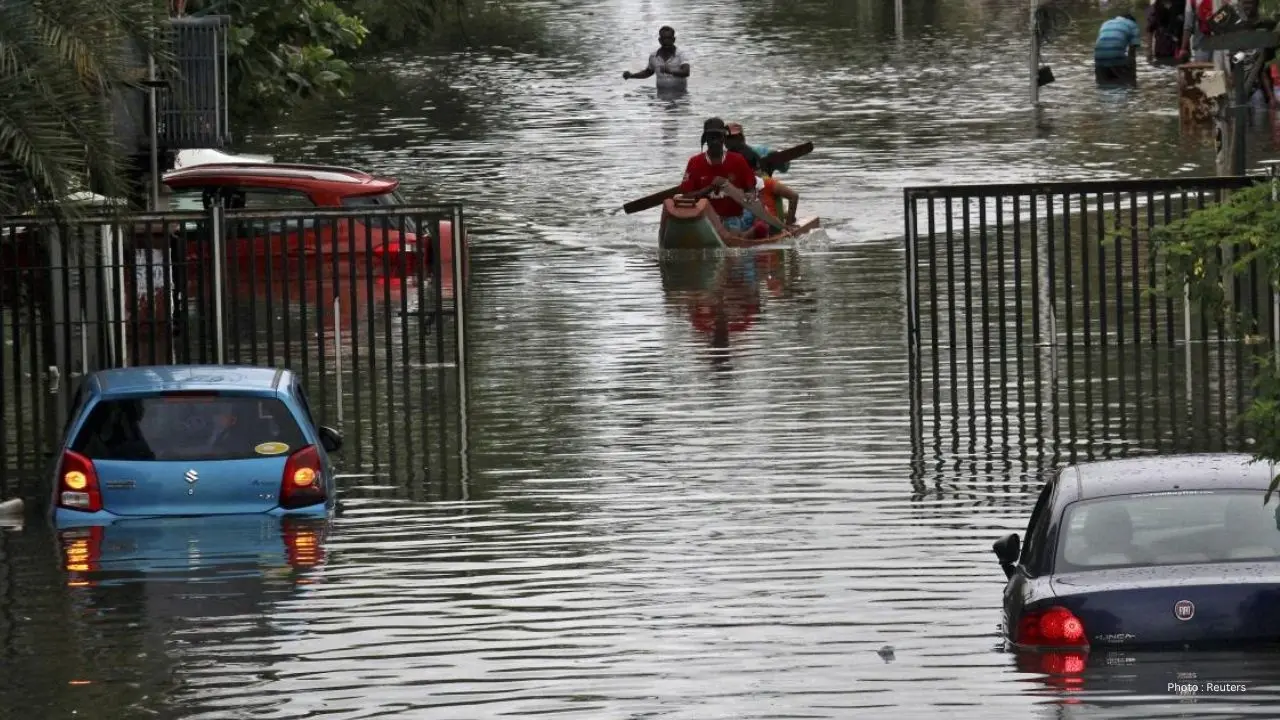
Severe spring flooding has affected several regions across Canada, forcing authorities to declare states of emergency in parts of Manitoba and Ontario. Rising water levels have put many communities at risk, with officials warning that more areas could be impacted in the coming days.
In Manitoba, communities such as Peguis First Nation and Fisher River Cree Nation are facing serious flood threats. Authorities say water levels could reach levels similar to those seen in 2022, when widespread flooding forced around 1,000 people to evacuate and destroyed hundreds of homes.
Local leaders have been working around the clock to protect residents. Temporary flood defenses such as sandbags, dikes, and inflatable barriers have been set up to reduce damage. Officials have also started moving elderly residents and people with health conditions to safer locations, although large-scale evacuations are not expected at this stage.
The flooding risk is particularly high in these communities due to their location along the Fisher River, which flows through low-lying land. Community leaders have called for long-term solutions, including better flood control infrastructure, to prevent repeated damage in the future.
In Ontario, the situation is also serious. The Minden Hills has already declared a state of emergency as water levels continue to rise near Gull Lake. Authorities have opened emergency shelters for residents forced to leave their homes and have closed key bridges due to safety concerns. Thousands of sandbags have been used in an effort to control flooding.
Another affected area is Nipissing, where rising water levels along the Nipissing River have led to road closures and emergency measures. Heavy rainfall and rapid snowmelt have caused water levels to rise quickly across northeastern Ontario.
Flooding is not limited to these regions. In Quebec, rivers such as the Ottawa River and areas around Montreal are also at risk of overflowing. Officials are preparing for water levels similar to major floods seen in 2017 and 2019.
In Gatineau, emergency teams have reported that dozens of roads are already closed and more than 150 homes are under threat due to rising water levels. Authorities are using pumps, barriers, and other emergency measures to control the situation.
Experts say the flooding has been made worse by unusually high rainfall and melting snow, with some regions receiving up to 200 percent more precipitation than normal for April. As weather conditions continue to change, officials are closely monitoring the situation and urging residents to stay alert.
Overall, the widespread flooding highlights the growing impact of extreme weather and the urgent need for better preparedness and infrastructure to protect vulnerable communities.