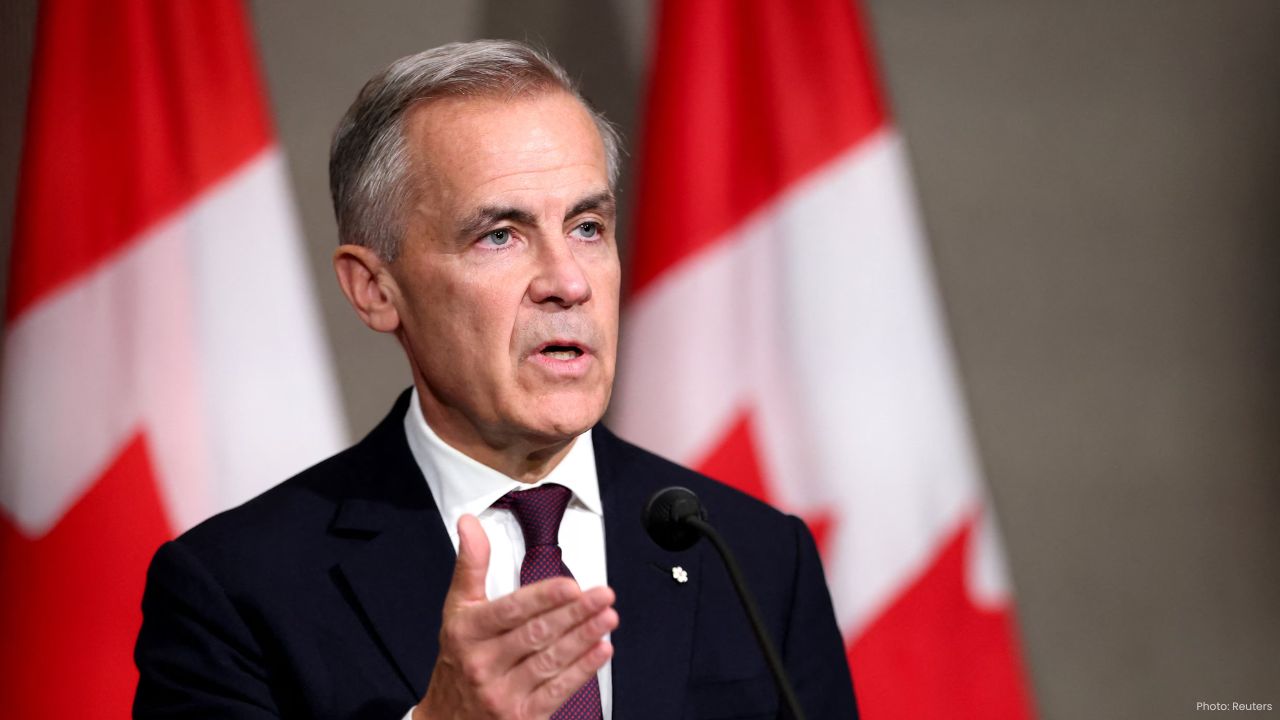
As Prime Minister Mark Carney’s government prepares to unveil its first federal budget, concerns surrounding a potential trade war, rising public debt, and economic slowdown dominate public and political discourse. The budget, to be tabled by Finance Minister François-Philippe Champagne, comes at a time when Canadians are prioritizing relief from the soaring cost of living.
Public Opinion vs. Government Priorities
Recent surveys reveal that 42% of Canadians want the budget to focus primarily on easing everyday expenses. In contrast, Carney’s economic vision emphasizes expanding military funding, boosting exports beyond the U.S., and large-scale infrastructure investments—areas receiving significantly less public demand.
The Promise of Transformation—and Sacrifice
Carney has announced plans to "transform" Canada’s economy by doubling non-U.S. exports within a decade. While he has not fully disclosed what sacrifices this will require, he has maintained that vital supports like health transfers, dental programs, and child care will remain intact.
Deficit Expected to Hit Record Levels
Canada’s fiscal watchdog projects the federal deficit to spike to $68.5 billion this year—its highest in 30 years outside crisis periods. Independent forecasts suggest it could even surpass $70 billion, largely due to increased spending, defence commitments, and tax reductions.
Public Sector Cuts Ahead
With the rapid growth of the public service during the pandemic deemed “unsustainable,” the government is expected to make significant adjustments. Union leaders warn that up to 70,000 jobs could be at risk. Foreign Affairs Minister Anita Anand has confirmed that Global Affairs Canada will be among the departments streamlined to curb inefficiencies.
Ramp-Up in Defence Spending
Under Canada’s NATO pledge to spend 5% of GDP on defence by 2035, the government plans a substantial military budget increase. New initiatives include a Defence Investment Agency, recruitment funding, advanced tech upgrades, and military wage hikes—totaling billions in additional spending.
Immigration and Workforce Development
The budget will unveil Canada’s Immigration Levels Plan for 2026-28, focusing on aligning immigration goals with economic needs. It also allocates $97 million to recognize foreign credentials in healthcare and construction to ease labour shortages.
Tax and EI Reforms
Carney’s campaign promise to reduce the lowest federal tax bracket by 1% will take effect, offering relief to low-income earners. Additionally, automatic tax filing will expand to benefit up to 5.5 million Canadians by 2028. EI benefits will also rise, including $3.6 billion in added support for workers affected by U.S. tariffs.
Housing Strategy Takes Shape
The new federal housing agency, Build Canada Homes (BCH), will begin constructing factory-built homes next year, backed by a $13 billion fund to accelerate affordable housing development. Initial efforts target 4,000 homes on federally owned land, with more long-term plans expected in the budget.