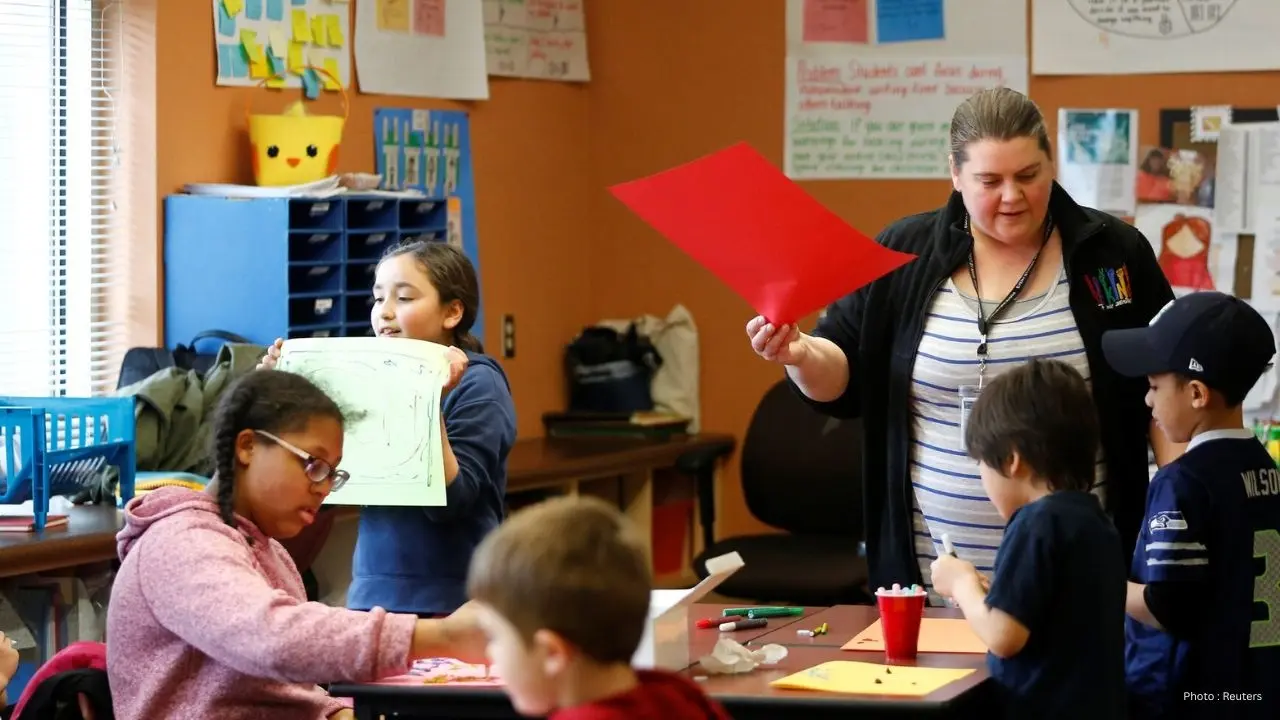
Education experts are raising concerns that many boys are beginning to fall behind in school at a very early age, with some researchers saying the problem can start as early as kindergarten. Studies from the United States and other countries show that boys, on average, are facing more challenges in reading, classroom behavior, emotional development, and academic performance compared to girls during the first years of school. Experts warn that these early struggles can continue into middle school, high school, and even adulthood if proper support is not provided.
Researchers say one of the biggest issues is that boys often develop language and communication skills later than girls during early childhood. Because kindergarten classrooms focus heavily on reading, listening, communication, and social interaction, some boys may enter school less prepared for the classroom environment. Teachers and child development experts say this can lead to frustration, lower confidence, discipline problems, and reduced interest in learning at an early stage.
Data from several education studies show that girls are now outperforming boys in reading and writing across many grade levels. Boys are also more likely to receive disciplinary action, repeat grades, or become less engaged in classroom activities. In some areas, boys are graduating from high school and enrolling in college at lower rates than girls. Experts say these trends have been growing for years and became more noticeable after the COVID-19 pandemic disrupted learning systems around the world.
Teachers say classroom expectations have changed significantly over time. Modern classrooms often require students to sit still for longer periods, manage emotions carefully, follow detailed instructions, and complete more reading-based tasks at younger ages. Some child psychologists believe these expectations can be more difficult for young boys, especially those who are highly active or slower to develop attention and language skills. However, experts also stress that not all boys struggle in school and that many succeed academically with the right support and learning environment.
Another concern highlighted by experts is the decline in reading habits among boys. Studies suggest boys are less likely than girls to read books outside the classroom, which may affect vocabulary growth and academic confidence over time. Some schools are now trying new methods to encourage reading by offering more book choices connected to sports, science, adventure stories, and technology topics that may interest boys more strongly.
Mental health and social pressures are also part of the discussion. Experts say some boys may avoid asking for help because of social expectations around masculinity or emotional behavior. This can sometimes make it harder for teachers and parents to recognize learning difficulties or emotional struggles early enough. Child development specialists say stronger emotional support systems and open communication at home and school are becoming increasingly important for students.
Many educators believe early intervention is one of the most effective ways to reduce learning gaps. Some schools are introducing smaller reading groups, speech and language support, physical activity breaks, mentoring programs, and individualized learning plans for younger students. Researchers say helping children build confidence and engagement during kindergarten and primary school years can improve long-term academic performance and reduce future learning difficulties.
At the same time, experts caution against turning the issue into a debate between boys and girls. They say the goal should be to better understand how children learn differently and how schools can support all students more effectively. Education specialists continue to call for more research, improved teacher training, and stronger family involvement to address the growing concerns surrounding boys’ academic progress in modern classrooms.