In a critical response to rising unrest, the Bolivian government has unveiled humanitarian corridors designed to ensure the safe transport of food, medicine, oxygen, and other essential items through blocked routes. This measure comes as a reaction to weeks of escalating protests across the nation, marking a challenging time for Bolivia’s political and economic landscape.
Authorities have confirmed that police and military operations will commence in the La Paz region to assist in the safe passage of trucks and emergency vehicles through protest hotspots. Officials have emphasized that this initiative aims to be peaceful and will prioritize the vital highway linking Oruro and La Paz. Support from the Red Cross and the Catholic Church is anticipated during this operation.
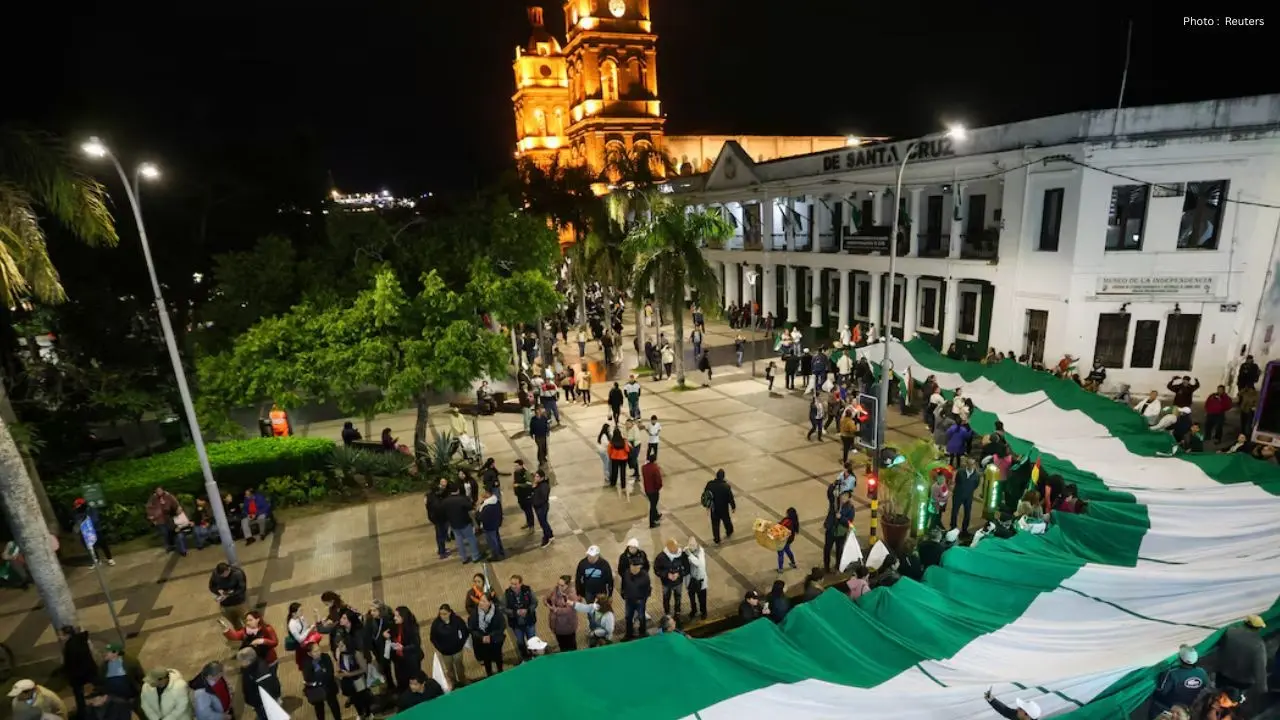
The protests began in early May, initially ignited by labor strikes, but quickly evolved into a national outcry involving labor unions, miners, transport groups, educators, and rural communities. The demonstrators are voicing their frustrations over rising living costs and extensive government spending cuts, which they believe have heightened the strain on daily life, as prices for fuel, food, and other essentials soar.
President Rodrigo Paz has stood by his economic strategies, asserting that they are essential for stabilizing the nation’s faltering economy. His administration has introduced austerity measures and scaled back fuel subsidies as part of a bid to control public spending. Yet, many citizens contend these policies have disproportionately impacted families already grappling with financial difficulties.
Major road blockades have emerged as a primary issue amid the turmoil, severely hampering transportation routes for fuel, medical supplies, and food deliveries. Reports indicate shortages of basic goods in several cities, while hospitals have raised alarms about dwindling oxygen supplies. Additionally, banks have limited their operations in some regions due to safety concerns and transportation challenges.
The unrest has not gone unnoticed internationally, with observers and diplomats urging constructive dialogue between government officials and protest leaders. The U.S. and European representatives have advocated for peaceful discussions to mitigate further violence and economic deterioration. Washington has been closely monitoring the situation, recognizing that ongoing unrest could have broader ramifications for the region.
Recent security operations highlighted the severity of the crisis, with thousands of police and soldiers deployed to clear blockades in La Paz. Clashes ensued between protesters and law enforcement, resulting in arrests and injuries. Human rights advocates have expressed concern that the use of force might intensify citizen anger if long-term solutions are not pursued by political leaders.
A further driver of the protests is Bolivia’s declining economy. Experts warn the country is grappling with one of its most significant economic downturns in decades. A drastic reduction in foreign currency reserves, sluggish exports, and increasing fuel shortages have all fueled public discontent. Many businesses are suffering as protracted blockades hinder their operations.
Former president Evo Morales remains a pivotal figure amid the crisis, with his supporters significantly influencing political discourse and public demonstrations. Analysts suggest that the escalating tension reflects profound divisions within Bolivian society characterized by diverse political factions and economic interests.
The establishment of humanitarian corridors could offer temporary aid to families awaiting supplies, but it is unlikely a solution to the overarching conflict. Leaders in Bolivia are still confronted with the immense task of reconciling with protesters while maintaining economic stability. Citizens are calling for immediate relief from soaring prices and shortages, while the government argues that rigorous reforms are crucial for eventual recovery.
Presently, this humanitarian initiative signifies an effort to alleviate suffering and stave off worsening shortages. In the days ahead, the nation will determine whether peaceful negotiations can supersede street confrontations. Without effective dialogue, the crisis is likely to continue to adversely impact Bolivia’s economy, essential services, and political cohesion for the foreseeable future.