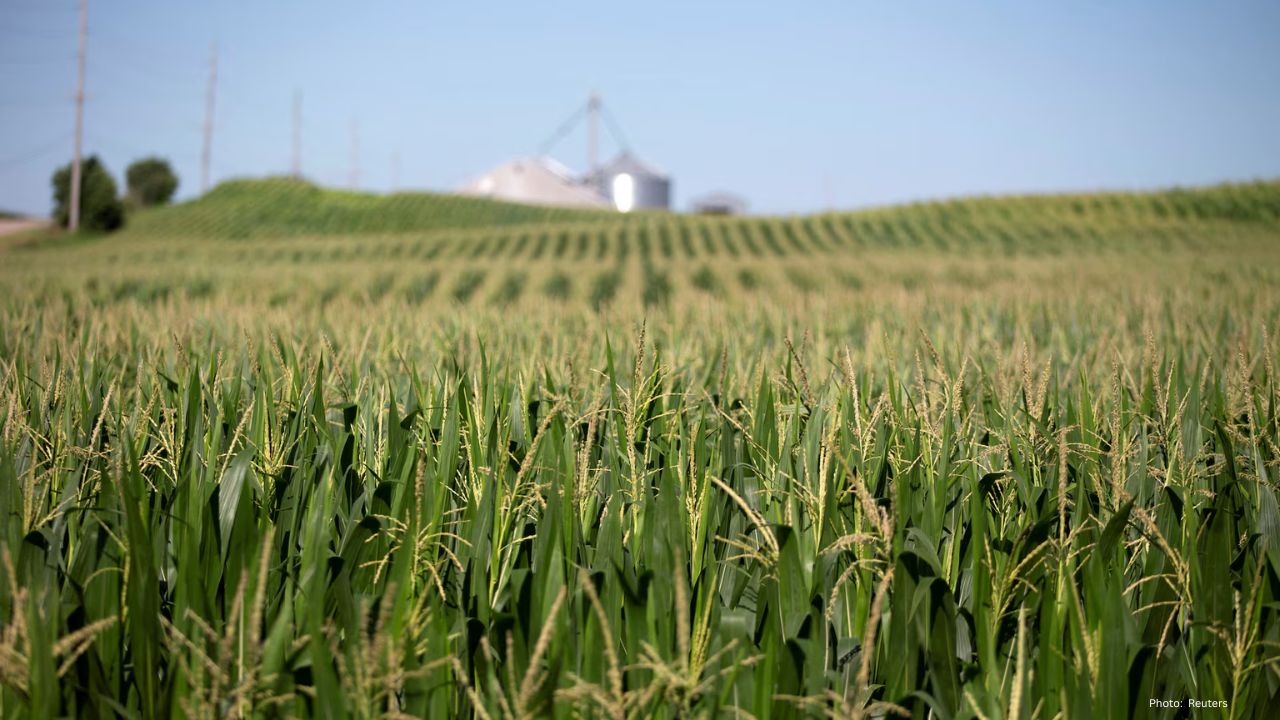
The Agricultural Land Commission in British Columbia has announced plans to reduce staff as it faces ongoing funding challenges, raising concerns among farmers, experts, and policymakers about the future protection of farmland in the province.
The commission, which oversees more than 4.6 million hectares of agricultural land under the Agricultural Land Reserve (ALR), says its budget has remained unchanged at around $5.5 million since 2019. This comes despite a growing workload and increasing complexity in regulatory responsibilities. As a result, some of the approximately 42 full-time roles at the agency may be cut in the near future.
Chair Jennifer Dyson described the situation as critical, noting that the agency is already operating at full capacity with no extra staff or unused resources. She emphasized that the commission handles a wide range of responsibilities, from approving small farming structures to overseeing major infrastructure projects and enforcing rules against illegal land use.
The planned cuts have sparked concern among industry experts and farmers. Chris Bodnar warned that reduced staffing could slow down permit approvals and weaken enforcement of regulations within the ALR. He said this could gradually reduce the amount of land protected for farming, affecting long-term food production and sustainability.
Political voices have also raised concerns. Ian Paton, who is also a farmer, said that delays in approvals are already a challenge and could worsen with fewer staff. He described the situation as troubling for the future of agriculture in the province.
However, some local leaders see an opportunity to improve efficiency. Ryan Windsor suggested that certain responsibilities, such as reviewing smaller applications, could be handled by local governments instead of the commission. He argued this could reduce duplication and help the agency focus on more critical enforcement tasks.
Despite the concerns, Agriculture Minister Lana Popham stated that key areas such as compliance and enforcement will not face staffing reductions. She reaffirmed the government’s commitment to supporting farmers, food security, and the agricultural economy.
The staffing cuts come at a time when farmers in British Columbia are already facing financial difficulties, rising costs, and environmental challenges. Many fear that weakening the commission could make it harder to protect valuable farmland for future generations.
As the situation develops, the decision to reduce staff at the Agricultural Land Commission highlights the growing pressure on public agencies to balance limited budgets with increasing responsibilities, especially in sectors as critical as agriculture and food security.