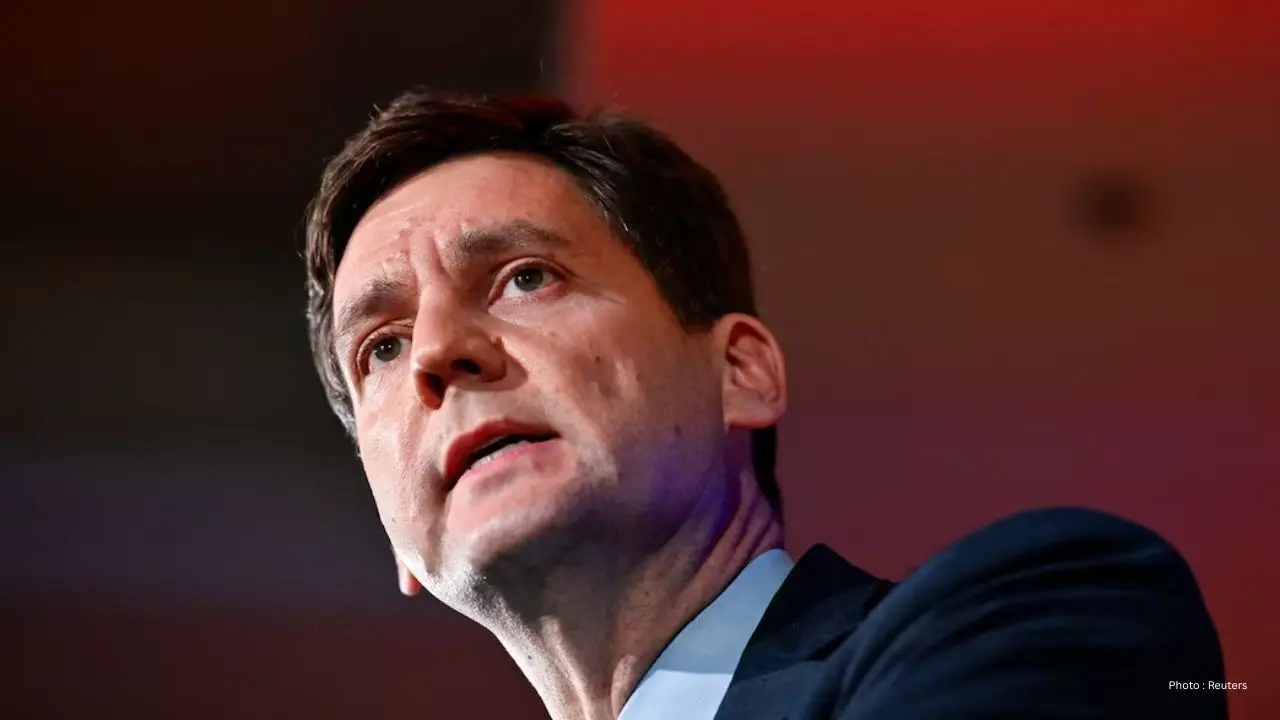
David Eby, Premier of British Columbia, has stepped back from plans to pause key parts of the Declaration on the Rights of Indigenous Peoples Act (DRIPA), signaling a shift toward collaboration with First Nations leaders. The provincial government confirmed it will not introduce legislation to suspend the law during the current legislative session.
The decision follows strong opposition from First Nations groups and comes after discussions between government officials and Indigenous leaders. Instead of moving forward with a suspension bill, the government now plans to work jointly with First Nations to develop a shared approach to the future of DRIPA. Officials say a framework for discussions will focus on reaching mutual understanding and recommendations supported by both sides.
The change in approach marks the latest reversal in the government’s handling of the issue. Earlier proposals to amend or temporarily suspend parts of DRIPA had faced widespread criticism from Indigenous leaders, who argued that the law — which aligns provincial policy with the principles of the United Nations Declaration on the Rights of Indigenous Peoples — should not be weakened.
The controversy intensified after a recent court ruling related to mineral claims in British Columbia raised concerns within the government about potential legal and economic impacts. Officials had warned that the interpretation of DRIPA in the ruling could create significant litigation risks for the province. However, First Nations leaders maintained that the law should remain intact and be properly implemented rather than altered.
According to sources familiar with recent discussions, both sides have now agreed to work toward a joint statement outlining their commitment to cooperation. The process is expected to begin soon, with initial meetings potentially taking place within weeks. The aim is to create a balanced approach that respects Indigenous rights while addressing government concerns.
The provincial government had earlier considered making the suspension proposal a confidence vote, which could have put its narrow majority at risk. However, that idea was also dropped following backlash. The most recent plan to introduce the bill without a confidence vote was abandoned shortly after it became public.
Senior officials, including Attorney General Niki Sharma, were involved in discussions with First Nations representatives. The shift toward dialogue reflects growing pressure on the government to find a cooperative solution rather than pursue unilateral changes.
With the legislative session set to end in late May, attention is now turning to how both sides will shape the next phase of discussions. Observers say the move toward collaboration could help reduce tensions and create a more stable path forward for implementing Indigenous rights legislation in the province.